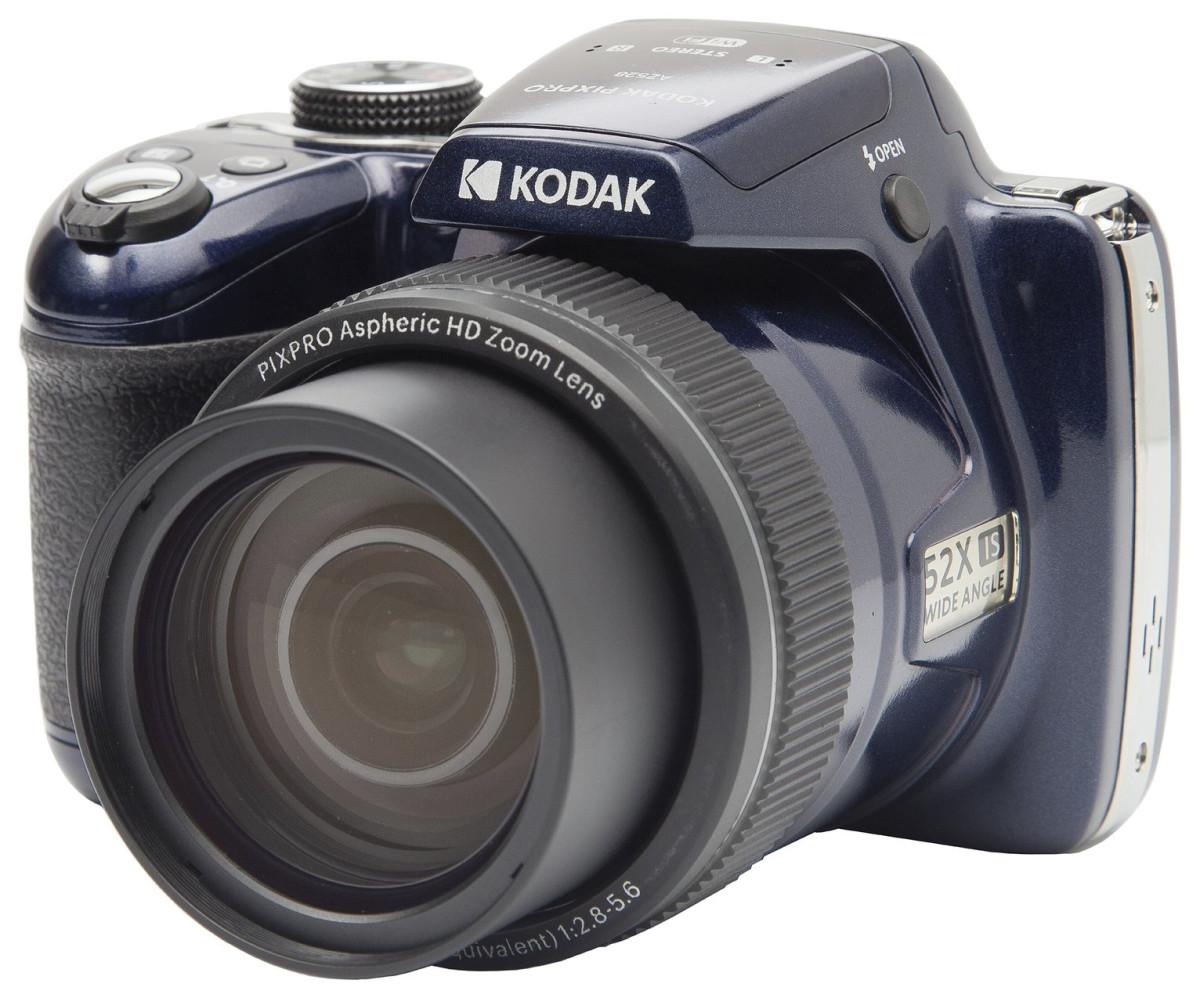
KODAK PIXPRO AZ528
KODAK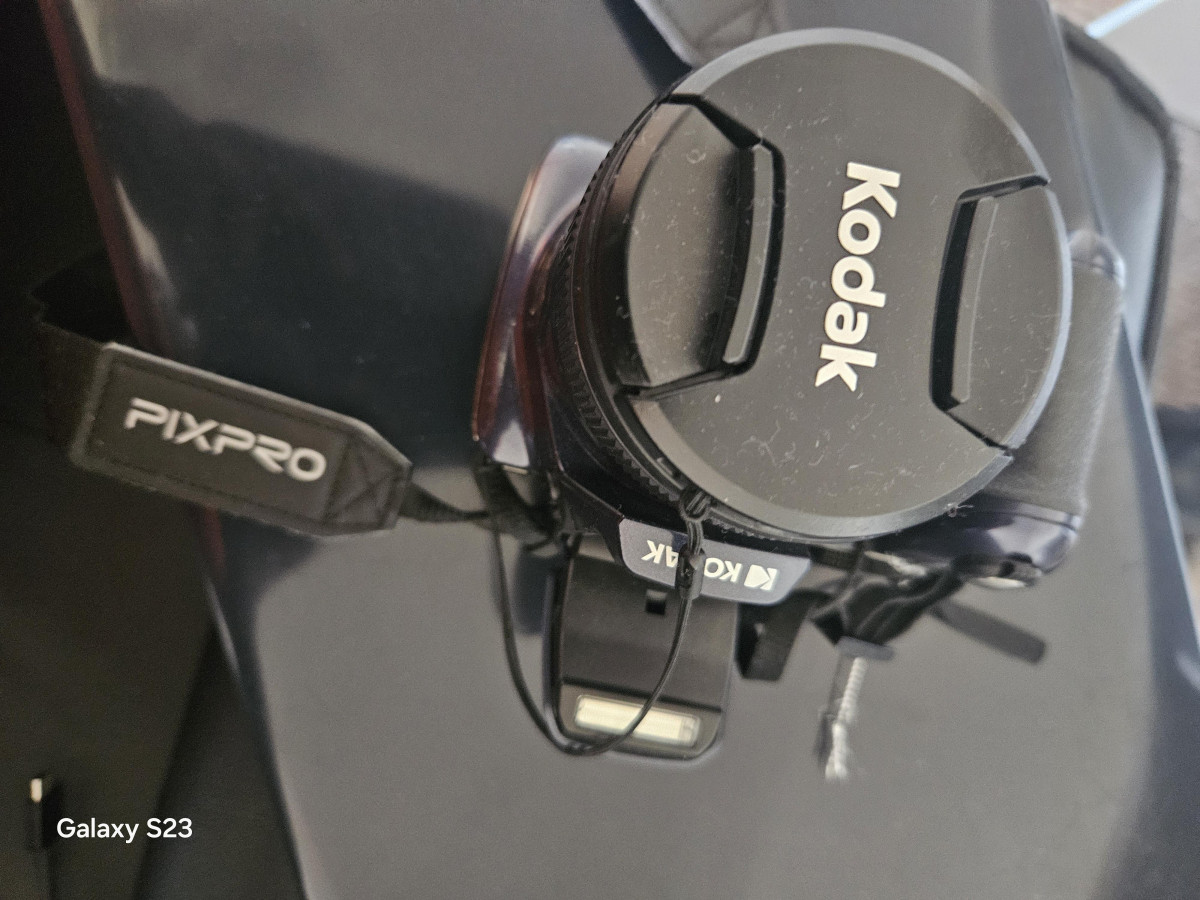

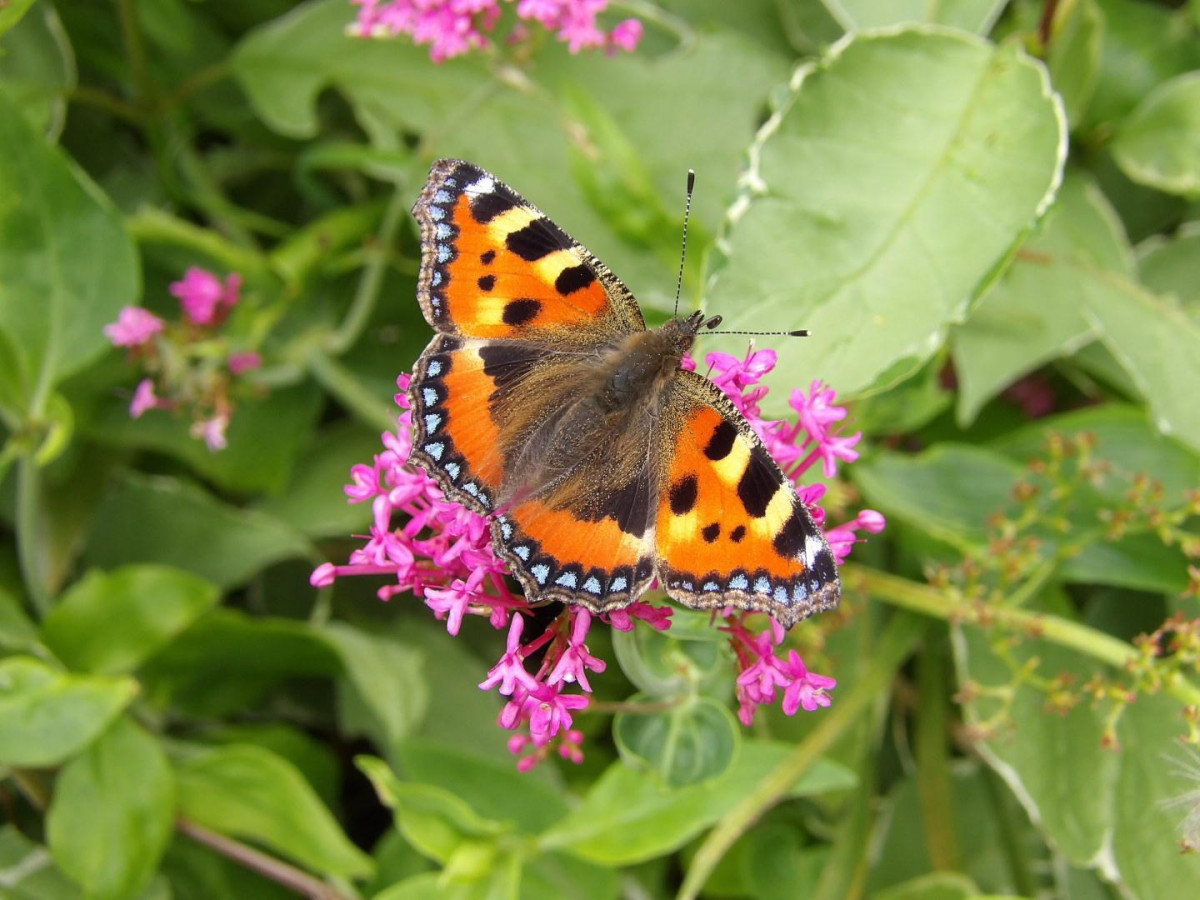

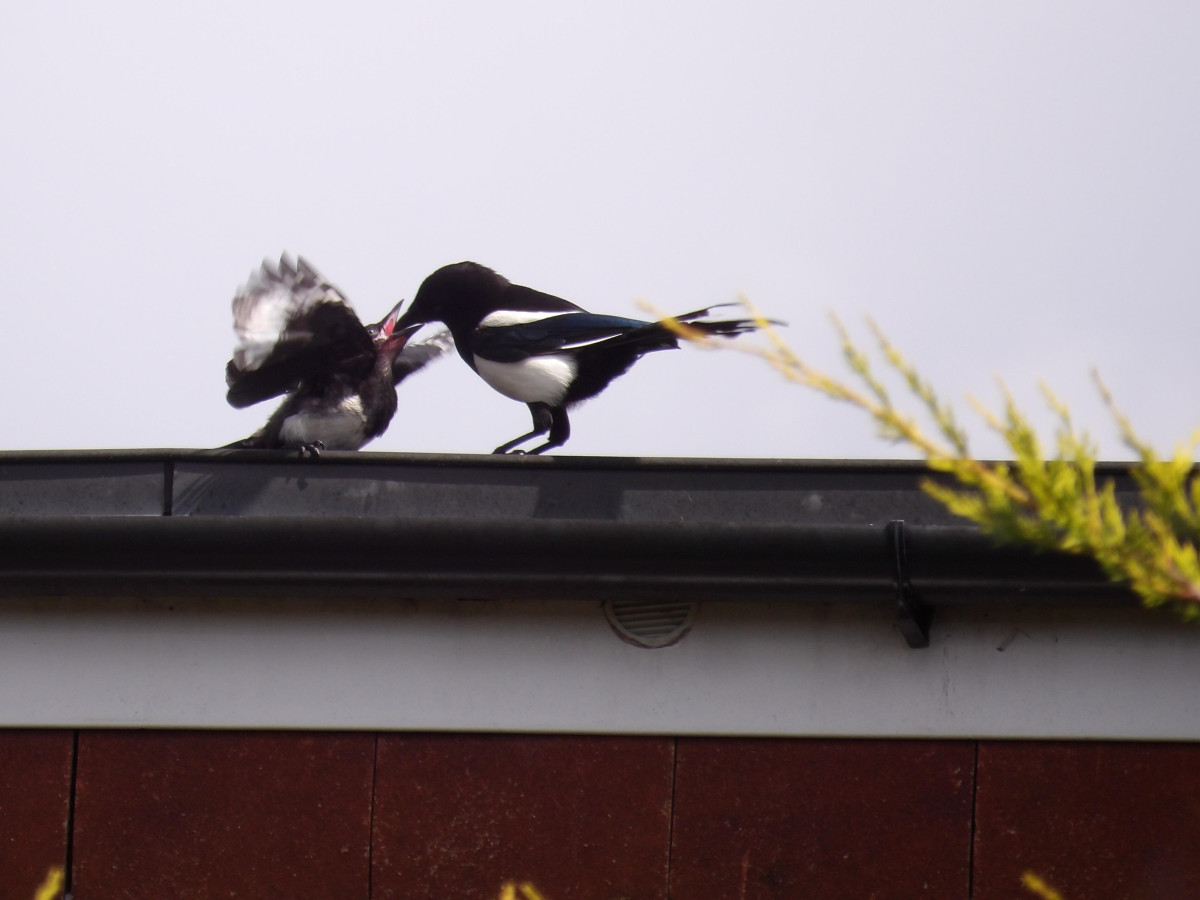
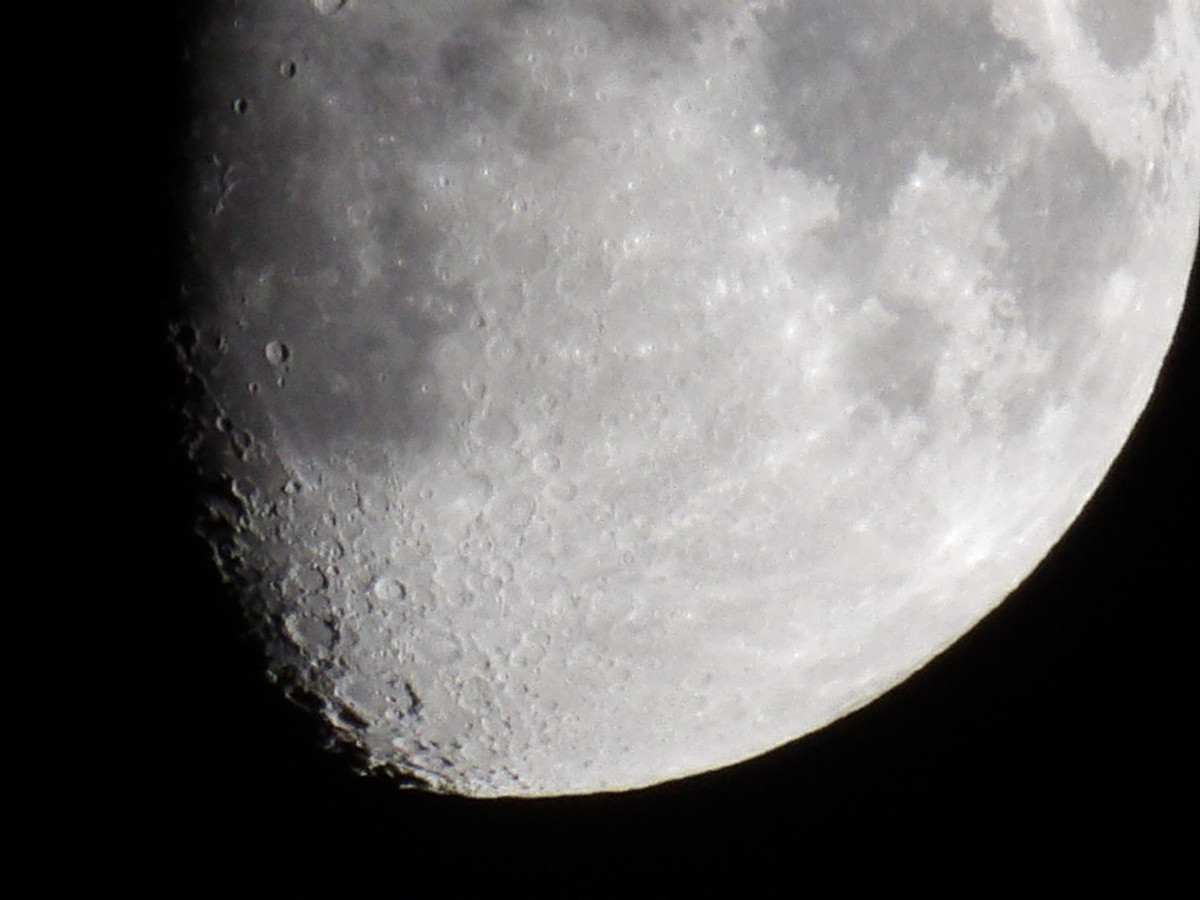
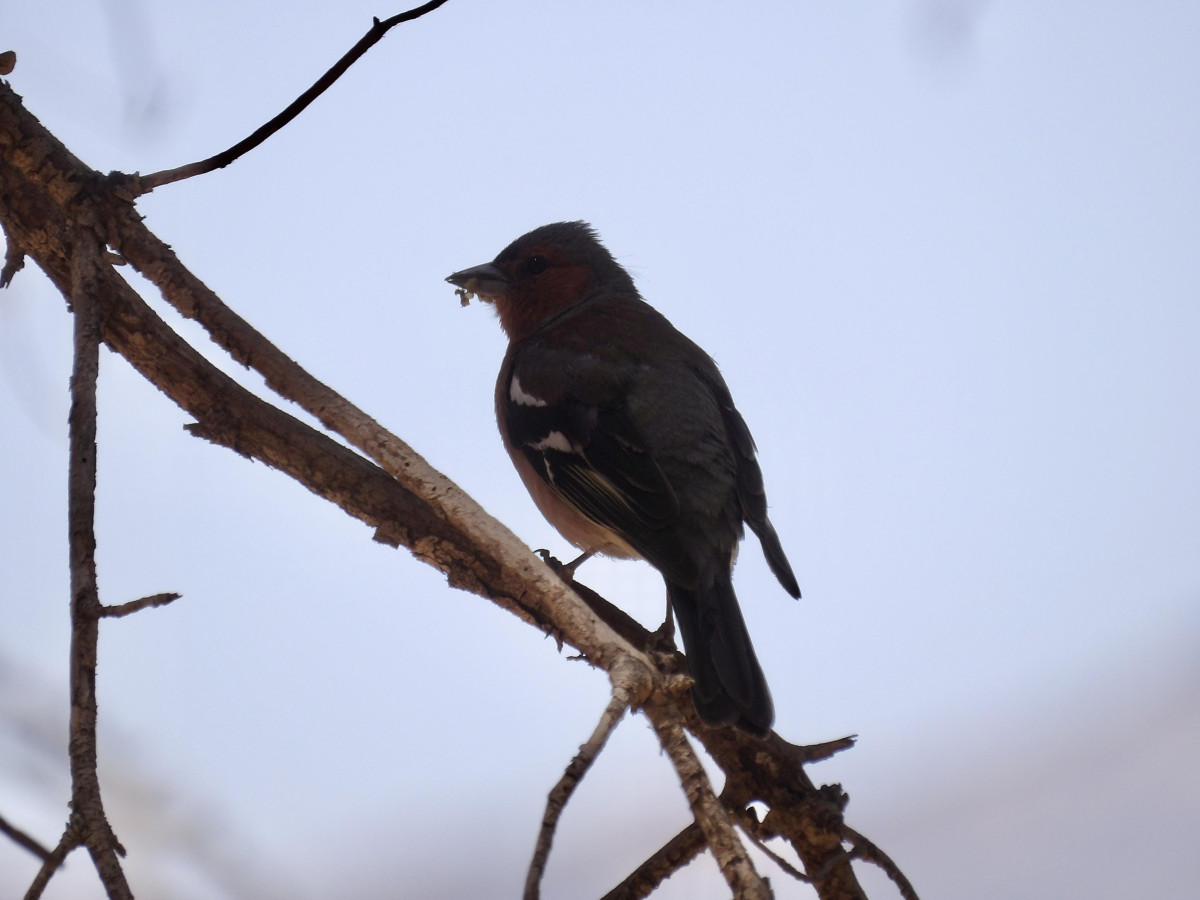

One Camera, Fifty-Two Times the Reach
Most photographers eventually hit the same wall: the subject they want is too far away, and the only fix is an expensive telephoto lens they don't want to carry. The KODAK PIXPRO AZ528 is built around solving exactly that problem with a single, permanently attached lens rather than a bag of glass. It's a bridge camera — a design category that sits between a pocket compact and an interchangeable-lens system — and its calling card is a 52x optical zoom that stretches from a wide 4mm focal length out to 223mm, equivalent to roughly 24-1248mm in traditional 35mm terms. That's the kind of reach normally reserved for dedicated wildlife or sports lenses costing several times the price of this entire camera. Before deciding whether that trade-off makes sense for how you actually shoot, it's worth understanding exactly what you gain and what you give up to get there.
Design, Build Quality, and Handling
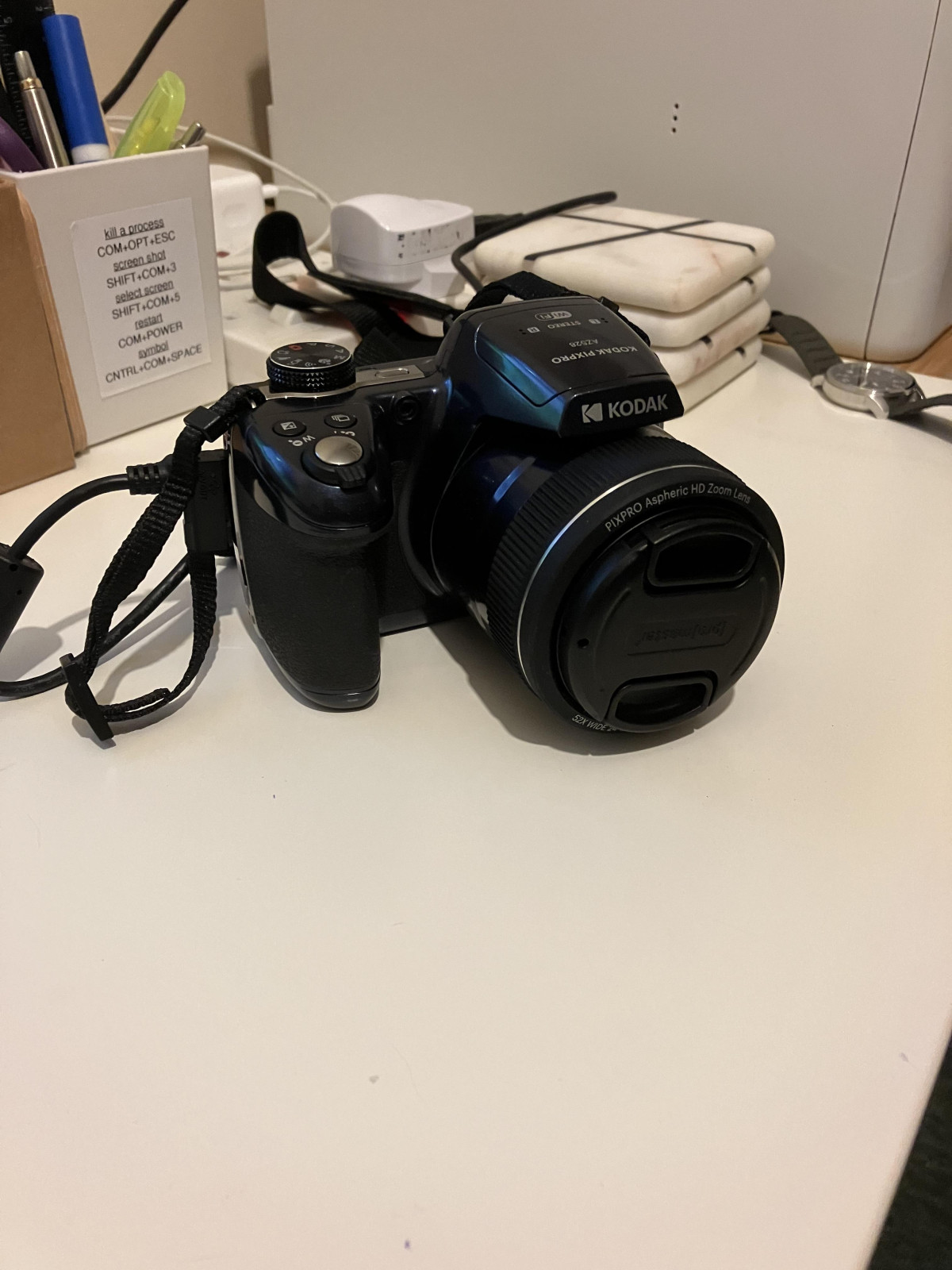
Pick up the AZ528 and the first thing you notice is the grip. It's shaped like a shrunken DSLR, with a pronounced handle deep enough to wrap three fingers around while your index finger rests naturally on the shutter button and your thumb falls onto a small textured pad at the back. That ergonomic layout matters more than it sounds — with a 52x zoom lens hanging off the front, a camera that's awkward to hold becomes a camera that produces blurry photos. The AZ528 gets the fundamentals right here, and the body stays comfortably balanced even at full zoom.
The shell itself is plastic rather than the magnesium-alloy or reinforced composite you'd find on pricier cameras, so this isn't a camera built to survive drops or heavy daily abuse. There's no weather sealing, so rain and dust need to be avoided rather than shrugged off. That said, the body doesn't feel flimsy in hand — it's a reasonable trade for keeping the price down.
At 508 grams and measuring roughly 8.6cm tall, 12.1cm wide, and 9.75cm deep, the AZ528 is about the heft of a large smartphone stacked on a can of soda. It won't fit in a coat pocket, but it slips easily into a day bag or hangs comfortably from a neck strap for a full afternoon of sightseeing. That's noticeably lighter and more compact than carrying a DSLR body plus a telephoto lens capable of similar reach, which is really the whole point of a bridge camera.
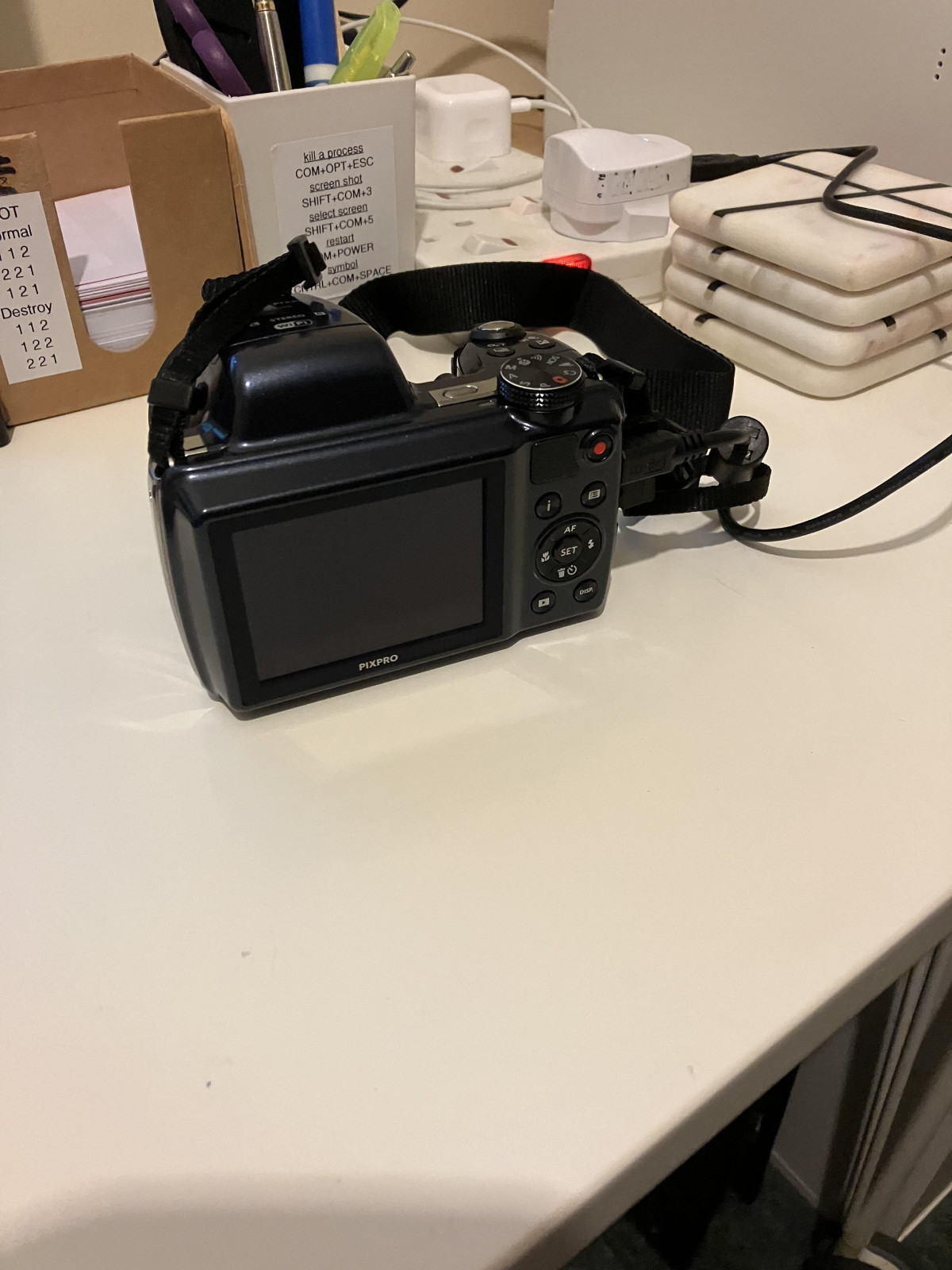
Composing shots happens entirely through the 3-inch LCD screen, since the AZ528 has no eye-level viewfinder of any kind — electronic or optical. The screen is also fixed in place rather than tilting or flipping, so low-angle or overhead shots mean guessing at the framing. This is the single most common complaint from people who've actually used the camera: the screen becomes genuinely hard to see in direct sunlight, which is precisely the condition you're most likely to be shooting in outdoors. If you frequently shoot in bright conditions or want the stability of bracing a camera against your face, this is worth sitting with before you buy.
Controls are simple and mostly analog in feel — a mode dial for switching between shooting styles, a zoom lever that wraps around the shutter button for quick framing, and dedicated buttons for playback and flash rather than buried touchscreen menus. There's no touchscreen at all, which beginners may actually appreciate, since it forces a more deliberate, button-based workflow rather than accidental screen taps. A standard tripod thread on the base lets you stabilize the camera for long exposures or extreme telephoto shots where handholding becomes unreliable.
Core Performance: Sensor, Autofocus, and Image Quality
At the heart of the AZ528 is a 16-megapixel CMOS sensor with back-side illumination, a technology that helps the sensor gather more light per pixel than older sensor designs. In practical terms, 16 megapixels is plenty of resolution for sharing online, filling a phone or tablet screen, and printing up to roughly A4 size with room to spare — you're not going to run into a resolution ceiling for typical family or travel use. What you will notice is the sensor's physical size: it's the same small 1/2.3-inch format found in most budget point-and-shoots, not the larger sensor inside a DSLR or mirrorless camera. That size difference is the underlying reason a 52x zoom lens can exist on a camera this affordable in the first place — smaller sensors allow smaller, cheaper lens designs — but it also caps how much detail, dynamic range, and low-light cleanliness the camera can extract from a scene.
Sensitivity runs from ISO 100 up to ISO 3200. In bright daylight, that low end delivers clean, punchy images with minimal grain. Push into dim interiors or evening light, though, and noise becomes noticeable once you climb past ISO 800 — expect softer detail and some visible grain in shots taken indoors without flash or in low-light events. This isn't a low-light camera, and treating it as one will disappoint.
Autofocus uses a 25-point system with automatic face detection, and it does its job well for what it's designed for: static or slow-moving subjects in good light. Point it at a landscape, a posed group, or a resting bird and it locks on confidently. Ask it to track a sprinting child or a bird taking flight at full zoom, and it starts to show its limits — the contrast-detection system can hunt for focus, and there's no sophisticated subject-tracking to keep up with erratic movement. A shutter speed range of 1/2000 to 30 seconds gives genuine flexibility on both ends: fast enough to freeze motion in daylight, slow enough for creative night or long-exposure shots on a tripod.
Continuous shooting tops out at approximately 6 frames per second in JPEG, which is fine for capturing a brief burst — a swing at a ball, a jump at the playground — but the buffer fills quickly, and there's a noticeable pause before you can shoot another burst. This is not a camera built for extended sports sequences.
One limitation worth flagging clearly for more experienced photographers: the AZ528 shoots JPEG only, with no RAW file option. That means less flexibility for aggressive editing or highlight recovery after the fact — what the camera captures in-camera is essentially what you're stuck with. It also lacks manual focus entirely; despite offering full manual exposure control, focusing is always handled by the autofocus system. There's a textured ring around the lens barrel that looks like a manual focus collar, but it's purely cosmetic and doesn't rotate.
The 52x Zoom, Explained in Real Terms
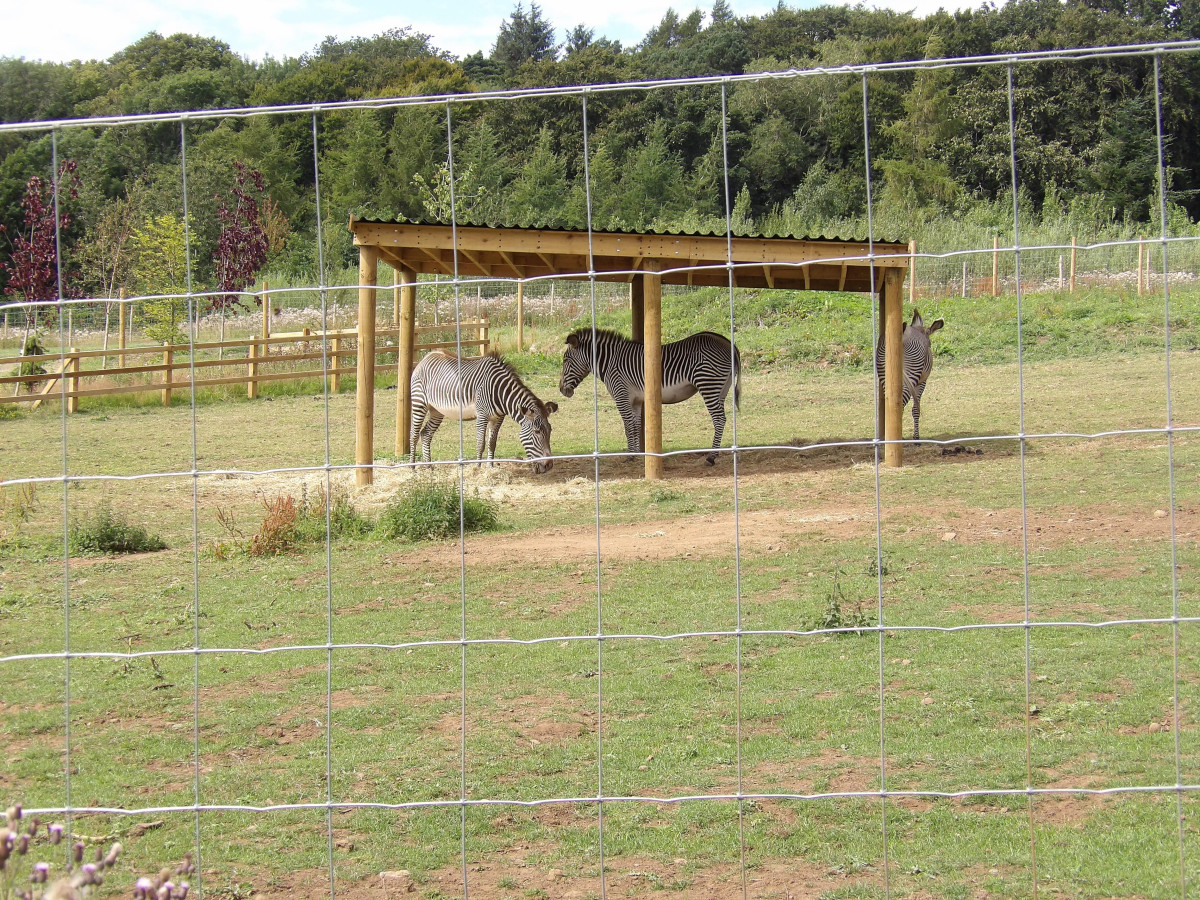
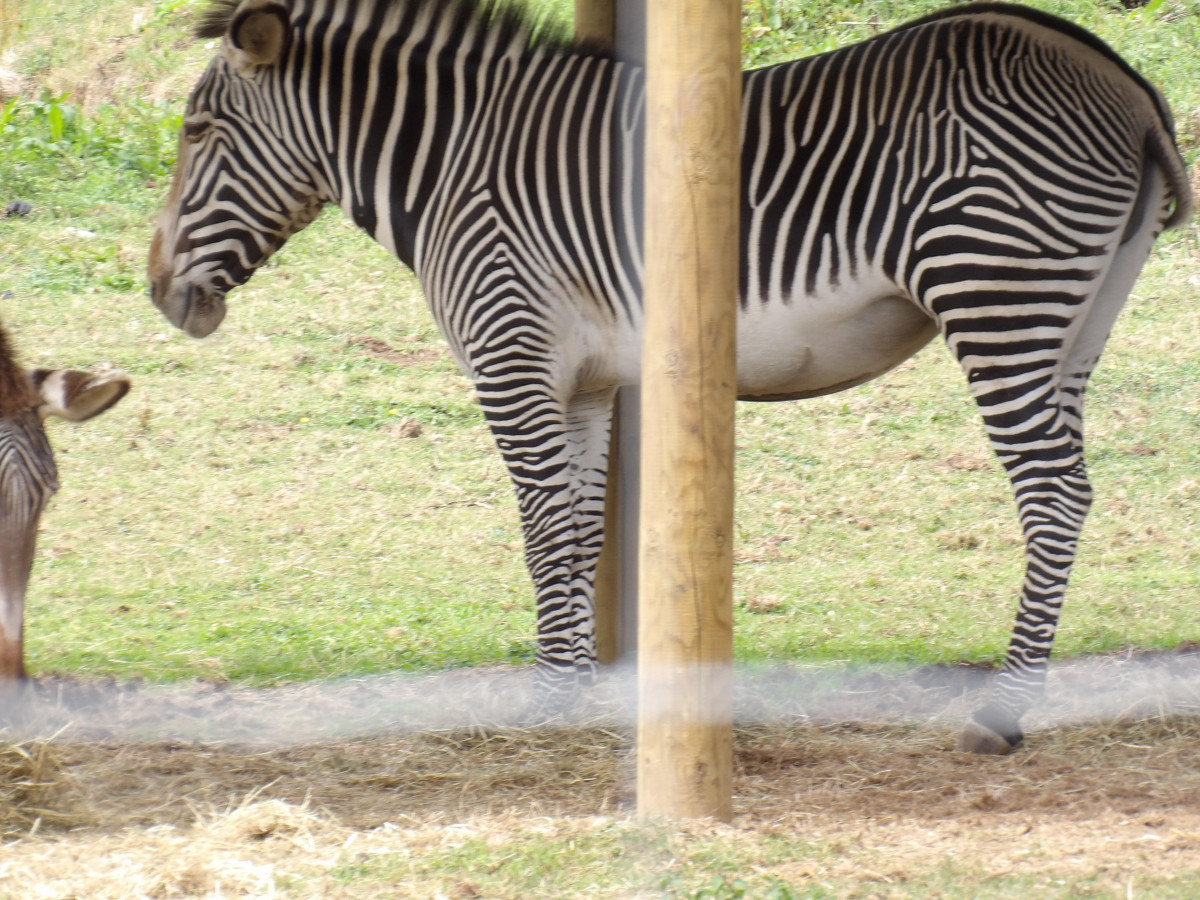
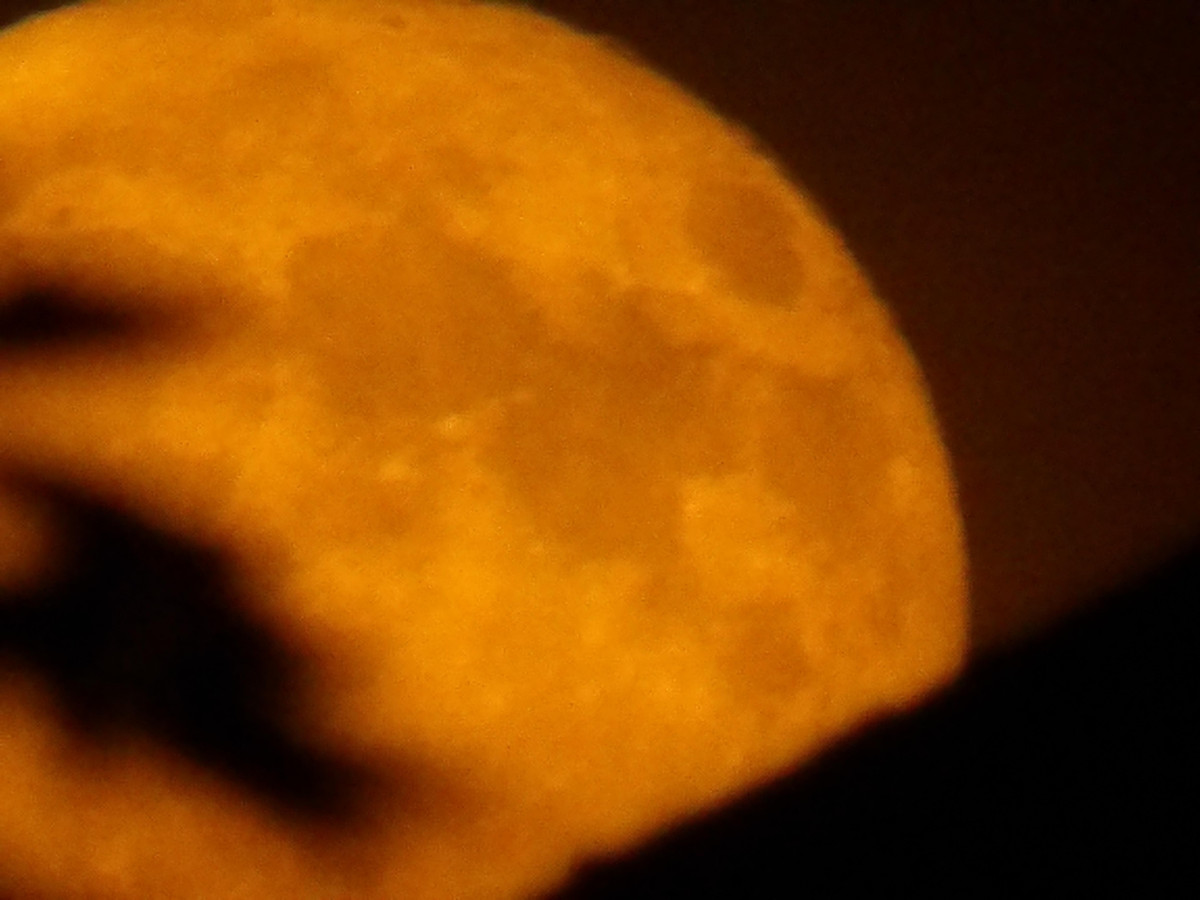
The headline number is 52x optical zoom, but what does that actually mean when you're standing in a field or a stadium? The lens covers a 4-223mm focal range, which translates to an equivalent of about 24mm at its widest to 1248mm at full telephoto in the terms most photographers use to compare cameras. At the wide end, 24mm captures broad landscapes, group shots, and interior architecture without needing to back away. At the far end, 1248mm is an extraordinary reach — the kind of focal length that lets you frame a bird on a distant branch, read the numbers on a stadium scoreboard, or pick out architectural detail on a building across a plaza, all without moving your feet or swapping any hardware.
There's also a digital zoom that extends beyond the optical range, pushing the effective total further still. It's worth understanding how this differs from optical zoom: digital zoom simply crops into the image and enlarges it, rather than genuinely magnifying the scene through the lens, so image quality degrades the further you push it. Treat the digital zoom as an occasional convenience rather than a reliable tool, and lean on the true 52x optical range for anything you actually want to keep.
The aperture shifts as you zoom, opening to a bright f/2.8 at the wide end and narrowing to f/5.6 at full telephoto. That's a meaningful real-world detail: the lens lets in plenty of light for wide shots, but at maximum zoom — exactly when you're most likely fighting camera shake — it's also gathering less light, which pushes the camera toward slower shutter speeds or higher ISO. This is where optical image stabilization earns its keep. Unlike basic digital stabilization that just crops and steadies footage after the fact, the AZ528's stabilization physically compensates for hand movement through the lens elements, and it noticeably improves your odds of a sharp handheld shot at moderate-to-long zoom. At the very top of the zoom range, though, no stabilization system fully cancels out hand shake, and bracing against something solid — or using that tripod thread — becomes the difference between a usable shot and a blurry one.
For close-up work, the lens can focus as near as 1cm from a subject, which opens up genuine macro photography of flowers, insects, or small objects — a nice complement to the telephoto reach at the opposite extreme. A 52mm filter thread on the front of the lens also means standard aftermarket filters (polarizers, ND filters, and so on) can be attached, though Kodak doesn't offer dedicated fisheye or wide-conversion accessory lenses for this model.
Features Built for Ease and Versatility
The shooting mode dial spans the full range from Scene Intelligent Auto — where the camera reads the scene and picks settings for you — through Program, Shutter Priority, Aperture Priority, and full Manual, plus dedicated Portrait, Landscape, Close-up, Sports, and HDR modes. That range matters because it lets the AZ528 grow with you: a total beginner can leave it in Auto and get reliable results immediately, while someone comfortable with exposure concepts can take control of shutter speed or aperture without needing to touch a menu buried three layers deep.
Sweep panorama mode stitches a wide arc of a landscape into a single image with one smooth motion of the camera, useful for vistas the 24mm wide end still can't fully capture in one frame. Automatic face detection, smile detection, and red-eye reduction all target the same use case: casual family and group photography where you want the camera handling the fiddly details so you can focus on the moment. A built-in pop-up flash provides fill light for backlit subjects or dim interiors, though like any small on-camera flash, its range and softness are limited — it'll rescue a portrait a few feet away, not light up a room.
Built-in Wi-Fi lets you connect the camera to a phone or tablet running Kodak's PIXPRO Remote Viewer app (compatible with iOS 14 or later, and Android devices) to preview the live image and trigger the shutter remotely. That's genuinely useful for two specific scenarios: getting yourself into a group photo without a stranger holding your camera, and photographing skittish wildlife from a hide or distance without your presence at the camera spooking the subject. Worth knowing before you buy: the camera can't beam photos directly to cloud services like Amazon Photos — you'll need to either transfer via Wi-Fi to the companion app or pull the SD card and read it on a computer.
White balance offers auto, preset, and custom modes, giving you a way to correct for the color cast of fluorescent office lighting or warm tungsten bulbs when auto white balance guesses wrong. Metering can be switched between partial and center-weighted, useful for tricky backlit scenes where you want the camera prioritizing exposure on your subject rather than an entire bright sky. Video is recorded in your choice of PAL or NTSC broadcast formats, a nod to compatibility across regions' displays and editing software, though for most people this setting will simply be left on whichever standard matches their country and forgotten about.
Battery Life and Everyday Power Considerations
The AZ528 runs on a removable, rechargeable lithium-ion battery, charged in-camera over USB — a genuine convenience for travel, since you can top up from a laptop, a portable power bank, or any USB wall adapter you already own rather than hunting for a proprietary charger. There's a catch worth flagging clearly before you buy, though: no charging adapter is included in the box. You'll need your own USB power adapter rated between 5W and 15W, and it's worth knowing this camera does not support PD fast charging, so a modern high-wattage phone charger brick won't top it up any quicker than a basic one.
Independent testing rates battery life at approximately 240 shots per charge under standard measurement conditions. That's a modest number by the standards of a modern smartphone, but it's fairly typical for a compact camera in this category, and it should comfortably cover a day of casual sightseeing or a few hours at a family event. Where it gets tighter is with heavy use of the zoom motor, extended Wi-Fi transfers, or video recording — all of which drain the battery meaningfully faster than still photography alone. Because the battery is removable, picking up a spare and keeping it charged is a sensible move for wildlife outings, travel days, or any occasion where you won't have easy access to a charging point.
Storage uses SD, SDHC, and SDXC cards up to 32GB, which is enough for several thousand JPEG images at this camera's resolution. The 32GB ceiling is worth double-checking before you buy a card, since it's easy to assume a modern camera supports higher capacities — this one doesn't, so a 64GB or 128GB card purchased with it will go to waste beyond the first 32GB.
Who This Camera Is Actually For
The AZ528 finds its sweet spot with a specific kind of buyer: someone who wants dramatically more reach than a smartphone or basic compact provides, without taking on the cost, weight, or learning curve of an interchangeable-lens system. That describes several groups well.
Well suited for
- Travelers who want one camera to handle everything from a hotel room selfie to a distant cathedral spire benefit enormously from not having to carry or swap lenses.
- Families documenting kids' outdoor activities, school events, and vacations get an easy-to-use camera that also happens to reach much further than their phone when the action moves away from them.
- Casual wildlife and bird enthusiasts who aren't ready to invest in a serious telephoto lens setup get a taste of that reach at a fraction of the cost.
- And anyone stepping up from smartphone photography purely for more optical reach and a proper camera grip will find the transition straightforward, thanks to the intuitive auto modes.
Better to look elsewhere
- If you shoot fast action regularly — youth sports, motorsport, birds in flight — the autofocus tracking and limited burst buffer will frustrate you.
- If you routinely shoot in dim interiors, at dusk, or indoors without flash, the small sensor and rising noise above ISO 800 will show their limits quickly.
- If editing flexibility matters to you, the lack of RAW support is a real constraint, not a minor inconvenience.
- And if you specifically want manual focus control — for macro work, star photography, or shooting through glass — its absence here is a dealbreaker, regardless of how capable the rest of the manual controls are.
How It Stacks Up Against the Alternatives
The AZ528 doesn't exist in a vacuum. It competes most directly with other budget-friendly superzoom bridge cameras, and understanding where it sits relative to them clarifies whether it's the right pick.
| Feature | KODAK PIXPRO AZ528 | Nikon Coolpix B500-class rivals | Premium bridge cameras (e.g. Canon PowerShot SX70 HS) |
|---|---|---|---|
| Optical zoom | 52x (24-1248mm equivalent) | Generally shorter reach than the AZ528 | Typically shorter zoom, but higher-quality glass |
| Viewfinder | None — LCD only | None on most models in this tier | Electronic viewfinder included |
| Screen | 3in fixed LCD, non-touch | Tilting LCD on many competitors | Higher-resolution, often articulating screen |
| Video | Full HD 1080p only | Comparable Full HD limits | 4K video available |
| Power source | Rechargeable Li-Ion, USB charging | Often AA batteries — easy to find anywhere | Rechargeable Li-Ion |
| RAW support | No | Varies by model | Often yes |
| Typical price position | Budget end of the category | Similar budget tier | Noticeably higher price |
Against a smartphone, the comparison is straightforward: no phone on the market gets remotely close to a genuine 52x optical zoom, and for distant subjects — wildlife, stadium seats, cityscapes from a viewpoint — the AZ528 will produce a usable photo where a phone simply can't. Flip the comparison around, though, and a modern phone will usually beat it for low-light shots, speed, and the convenience of instant sharing straight to social media.
Against similarly priced rivals in the AA-battery-powered bridge camera class, the AZ528 generally offers longer zoom reach and the convenience of built-in Wi-Fi, while those competitors often counter with a tilting screen and the practical advantage of batteries you can buy at any convenience store worldwide rather than needing to recharge. Against pricier bridge cameras with 4K video, electronic viewfinders, and faster autofocus, the AZ528 can't compete on outright capability — but it also costs considerably less, and for buyers who specifically want the zoom without paying for those extras, that gap is the entire point of choosing it.
Where It Genuinely Excels and Where It Falls Short
The case for it
The honest case for the AZ528 rests almost entirely on that zoom lens and how approachable the camera is around it. Handing this to someone who has never used anything beyond a phone camera, they can pick it up, leave it in Scene Intelligent Auto, and walk away with sharp, colorful daylight photos of distant subjects that would be impossible to capture any other way at this price. The grip is genuinely comfortable, the controls are logical without being intimidating, and the inclusion of full manual exposure modes means it doesn't box out anyone who wants to learn more as they go. Optical image stabilization does real work in keeping handheld telephoto shots usable, and the macro capability at 1cm adds a genuinely useful second trick that many superzoom cameras skip.
The case against it
The honest case against it centers on everything that got sacrificed to hit this price and this zoom range in one package. The small sensor means image quality trails noticeably behind anything with a larger sensor once light gets scarce, and the lack of RAW removes a safety net that more serious photographers rely on to fix mistakes after the fact. The fixed, non-touch, non-tilting screen combined with no viewfinder is the most consistently reported frustration among people who've actually shot with this camera outdoors — bright sunlight and screen-only composition are a genuinely awkward combination. Autofocus and burst shooting are adequate for calm subjects and frustrating for anything moving quickly and unpredictably. And the plastic build, while comfortable, is a reminder that this isn't a camera engineered to survive years of rough treatment.
The Verdict
The KODAK PIXPRO AZ528 does one thing exceptionally well for the money: it puts genuine, no-compromise-on-reach 52x optical zoom into the hands of casual photographers who would otherwise have no realistic path to that kind of telephoto power. If your priority is photographing distant wildlife, capturing far-off details on a trip, or simply having more reach than your phone offers for family events and outdoor activities — and you're comfortable shooting mostly in good daylight, without RAW files or manual focus — this camera earns its place in your bag. It's a smart, budget-conscious buy for beginners, families, and casual travelers who value versatility and simplicity over technical ceiling.
If you're an enthusiast who wants RAW editing flexibility, reliable autofocus tracking for moving subjects, strong low-light performance, or video beyond Full HD, the AZ528 will start to feel limiting within your first few outings, and you'd be better served by a more advanced bridge camera or an entry-level mirrorless system — at a correspondingly higher price. For everyone else who just wants one camera that reaches further than anything else in their price range, this one delivers exactly what it promises.
What People Say
77 commentsOkay But Not Brilliant
I bought this initially to take photos of birds instead of lugging my 150-600mm lens and accessories around. I have used this a few times since I bought it to be able leave in my opinion a fair review. I have found that without a viewfinder, seeing subjects on the screen can be difficult in bright sunlight and the photos are blurred. During one test session, all the photos came out blurred. The camera is very light, but when you zoom in at maximum range and are looking at the screen, it can be deceptive. It works better on a tripod and using a smart phone as a remote, but then you need large subjects that are stationary to get a half decent photo. So I will revert to using my cumbersome lenses for my bird photography. This one I will use for get togethers and any landscape, architecture or other large stationary subject photography. This would be okay as a starter for a child age 10+ who might just want something to play around with rather than taking any serious photos.
Exactly what I was looking for
I usually use my phone for holiday pics, but due to it getting hot and glitchy I decided to purchase a 'proper' camera. This camera is light, sturdy and easy to use. The neck strap is great so you dont have to keep putting the camera away. Its lovely to hold and takes great pictures. It has video mode at the touch of a button and slow mo video which is easily set up. Initially I was disappointed with the macro until I googled how to use it and it now works fine. It just takes a bit of practice. It keeps a good charge and with the wireless option, it's so easy to transfer to your phone to put pics on your social media page.
The only negative for me, is the view window is plastic and having it hung round my neck during my walks I have got a couple of minor scratches which could be a problem in the sunshine.
Good general or holiday camera
I bought this as a sort of holiday, party, knock-about camera as I do not want to expose an expensive system camera to loss, theft or baggage handlers. Although “plasticy” the camera feels robust and would survive a short drop. It is easy to use, even in MASP. Two buttons access the exposure controls and menus respectively and are very easy to use. In fact it is much more intuitive than my much more expense system camera. Photos and video are of good quality and I am very pleased with it. Inevitably as a budget camera you do not get a viewfinder or articulated live screen: you also do not pay another £300. The only real complaint is that there is no MF, even if only attached to the arrow keys. That said the AF works fine.
A disappointing experience all round
I would avoid purchasing this camera - it is very very difficult to use in anything other than dark conditions. It does not have a viewfinder, so you have to rely on the screen to see what is in your shot. I used it outside and it was impossible to see what was on the screen - I can't stress how annoying this was. Even trying to shield the screen didn't help and there is no way to adjust the brightness.
I wish I had seen a review like this before considering purchasing.
Menu and function are fairly limited as expected and controls are clunky - don't waste your money.
Zoom is fairly pointless as the photo quality is very poor when zoomed in. Taken without zoom, the pictures weren't bad but overall too many negatives
Possibly the best camera I've ever bought
When I bought this camera, there were a couple of bad reviews. I didn't let this put me off buying this camera. I can honestly say, this could be the best camera I've ever bought!!! It has lots of easy to use functions, it has a long battery life. Takes amazing photos. One thing I had to search for, was the wifi code. It's located at the bottom of the camera. I'm enjoying using this camera, still have some functions to try out, but really enjoying finding out everything it is capable off!!! Hope any of you that decide to buy this camera, have as much fun as I am!!!
blast from the past
Theres a few updates from a similar camera I had about 10 years ago ( which broke), ie the wifi connectivity ( which is a bit picky on the app side, but works) and usb charger for an internal battery instead of AA ( which is much more usable). It also only takes up to 32gb sd and sdhc cards and doesn't seem to like micro in adapters, but thats still a LOT of pictures, just be careful when ordering one to go with it.
The zoom 'works' with a steady hand and the pictures seem 'as expected'. Its just for snaps so for that it works perfectly.
Great camera for semi begginer birdwatchers!
I got this camera a day before a trip, as i grew tired of using phone attachments to zoom for wildlife, so i got this camera and was pleasantly suprised!! The zoom is amazing and works really well, the only caveats though are that you cant change the lense, and because of the set up, you cant really do long exposures for the night sky effectively due to focus restriction. But that being said, its a solid camera, battery lasted me well enough and the transfer to phone is super easy.
kodak bridge camera
it's a few years since I had a camera with phones being so good. it's the 1st kodak I've bought and I wish I had spent more
it feels too light and plastic like, I found it hard to see the screen in daylight even on max brightness, I bought it because of the long zoom but I cannot see well enough on lcd screen. I should have got a camera with optical viewfinder.
it may be ok for someone with perfect eyesight but not for me, oh well, 250 quid down drain...
First camera
The us balanced ..easy to use The resolution is perfect the focus is lovely pin point accuracy takes lovely night shots with the built in flash versatile day night inside or out The zoom is so easy to use and shows brilliant detail easy to transfer pictures onto a laptop from.tyr built in SD card its stable for moving shots and connects easilynto.a computer. For a first camera it's absolutely ideal
Nice camera
The camera is fairly easy to use but appears to need the macro setting every time you want to photograph something close up.
The long lens is very good I found I could almost read the names of ships that were two to three miles out to sea.
The picture quality is very good.
On the whole I am pleased with it, I was a bit worried by the few poor reviews, but I have had no problems so far
Great camera!
Bought this camera to take on Safari holiday in Kenya. Was skeptical because of some of the reviews about blurred photos with the zoom, but it took amazing detailed photos. Zoom was absolutely brilliant, very sharp images. Didn’t use tripod, but did steady it on side of vehicle when using longest range. Has lots of pre-set settings that were excellent. Very good camera for the price.
Atrocious camera - what have Kodak done?!
The LCD screen is so poor, that as soon as you zoom, you lose the subject you are looking for when it instantly goes out of focus - it desperately needs a viewfinder. Setting to landscape mode would expect infinity focus, but nearly half of the photos taken during a week in the Highlands were out of focus and/or washed-out. Camera returned to Argos within a week for a refund.
Kodak AZ528
Kodak AZ528 is packed with care and intelligence which includes a lens guard and a kodak strap, the camera works well on auto on the red camera icon which is the round control for camera and video settings, photos are packed with a high number of pixels and the aspect ratios can be changed by choosing a aspect ratio which suits the picture, a good buy from Argos from kodak.
Excellent
I bought as a Christmas gift for my daughter who loves photography. It is easy to use. Good zoom but it's hard to keep focus the more zoom used due to normal hand movements trying to stay on target. The associated app is great for downloading photos without the need to remove the memory card each time. A little on the expensive side compared to similar models.
Great bridge camera for my needs
For the cost, features, and relative ease of use - this is a great step towards taking more advanced pictures.
The picture quality is typically the same as a camera phone, however - once you get used to the custom settings and practice, you can take some unique pictures that I don't think I would have captured on a phone camera. Overall very happy.
reasonable product
I bought this to replace a very similar bridge camera I'd had for a long time. It's much heavier, but the main problem is the panoramic feature which is almost impossible to use. I need it for hillwalking as that feature is really useful for summit photos. The old camera was extremely simple, but this one is dire by comparison.
So far so good
So far so good. Good zoom. Being able to transfer to my iPad wirelessly is a great touch. Lots of things I haven’t used yet. Only downside- I wear reactions glasses and it can make the screen hard to see in bright sunlight. It was a toss up between this and the lumix 82 and this seems much better value.
Very easy to get started with
Bought for 13 year old niece who is starting out in photography. She found it very easy to get started, so pleasing to be able to take good photos straight away, however there is plenty more to learn , lots of different settings if you choose to use them. Nice colour, easy to handle very good buy
So far so good
I bought this camera as I was going to a wedding and wanted something extra along with my phone camera. It's very easy to use, I especially loved the slow shutter release for sparklers, took some lovely pictures. The sound quality on the video recording is also pretty good. Overall I recommend.
Great first camera
We bought this for our teenage daughter a few weeks ago, and we have been absolutely thrilled with it.
She is studying GCSE photography, and has really enjoyed the subject.
This has been a really great camera for her to practice with and hone some skills.
We would recommend.