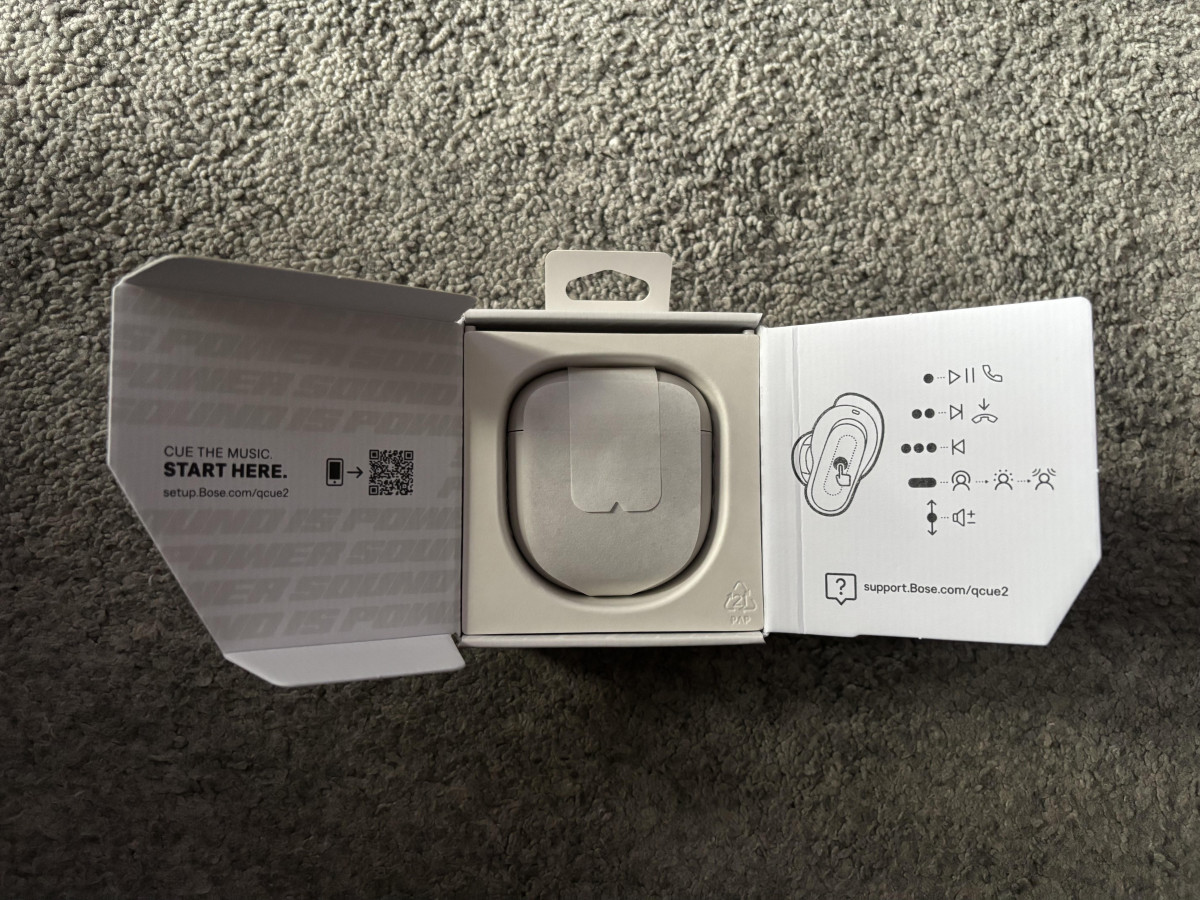
Built for the Ear, Not Just the Head
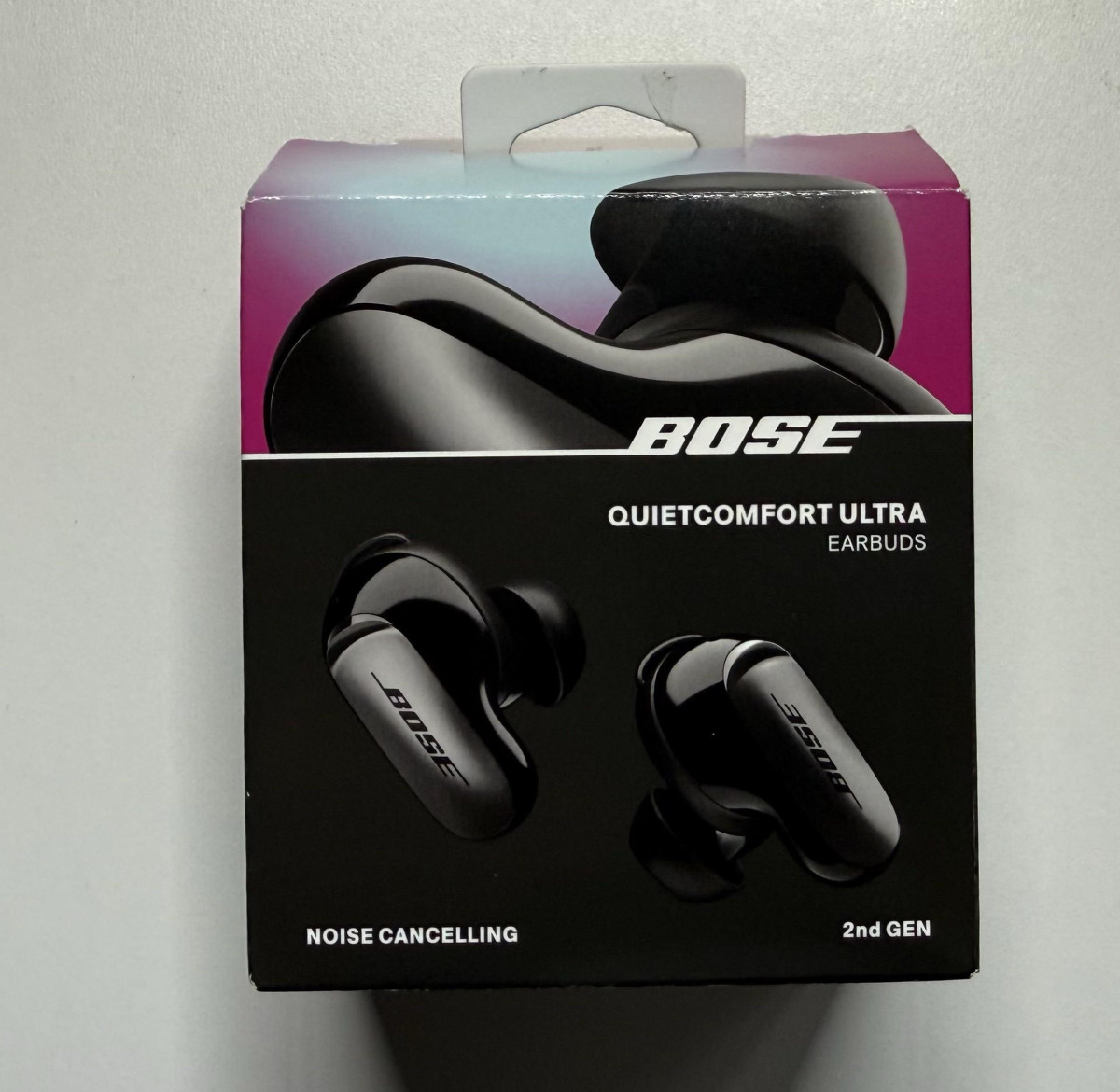
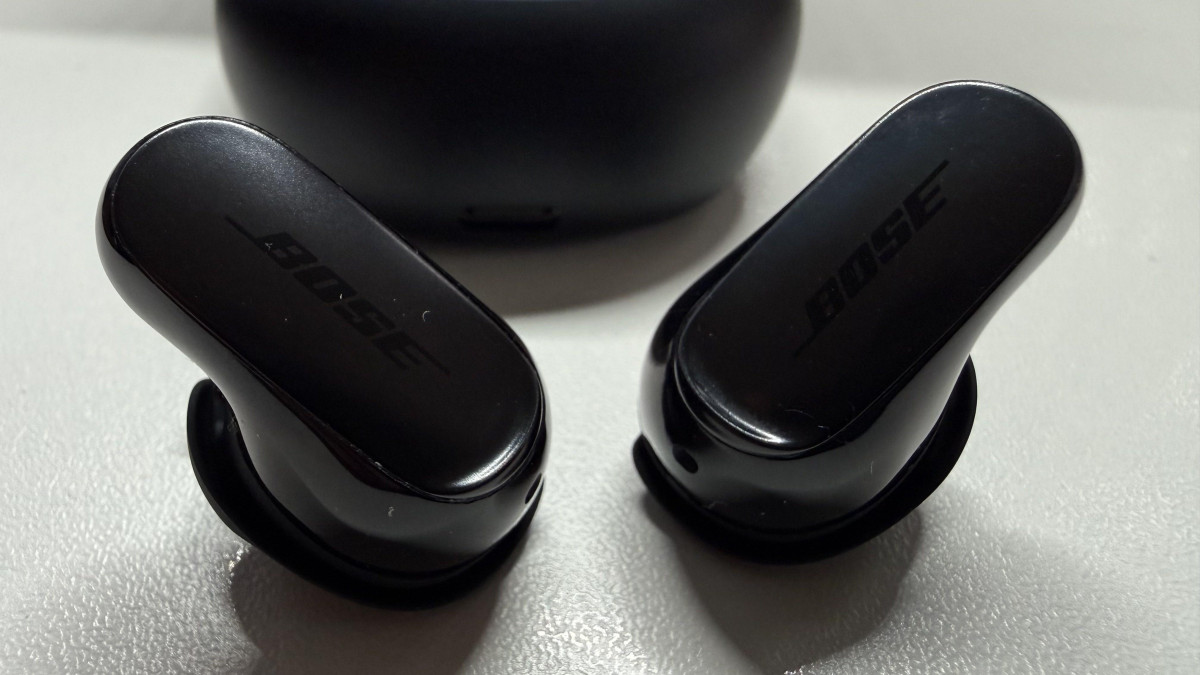
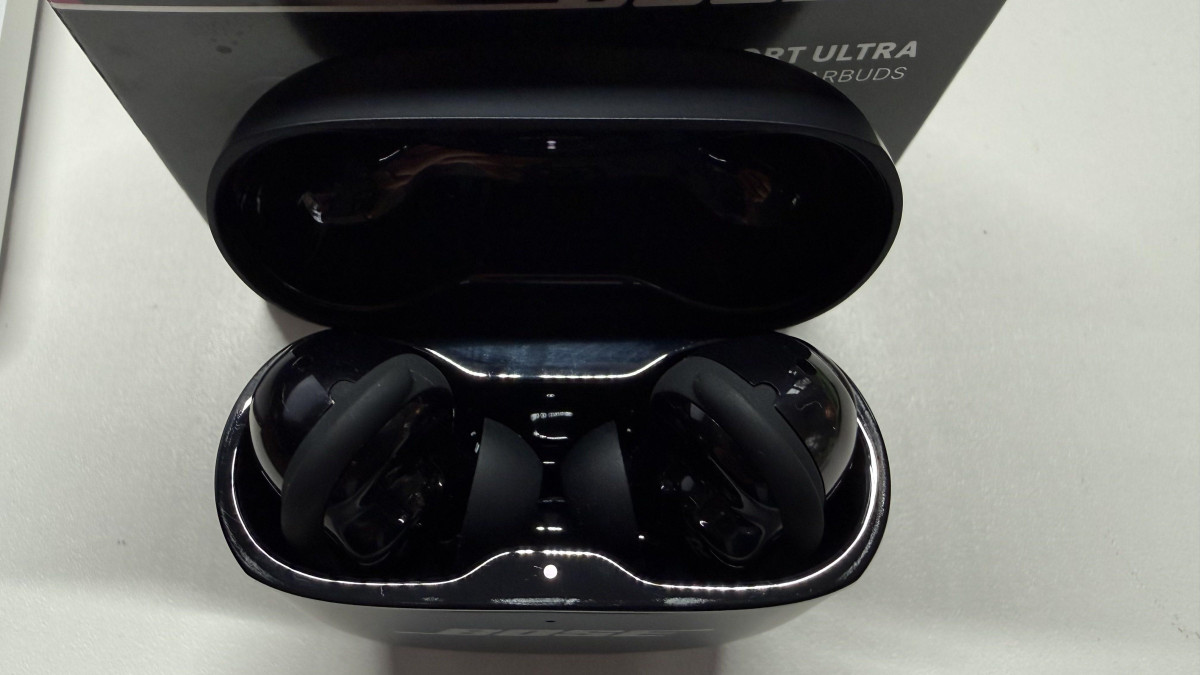
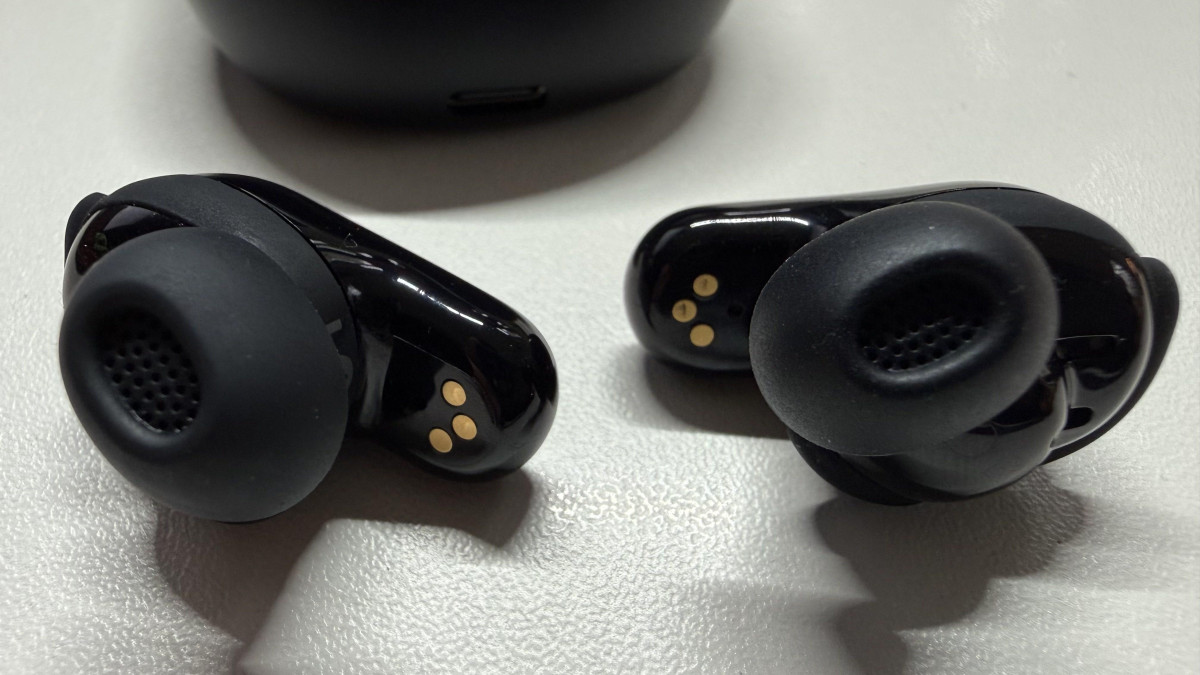
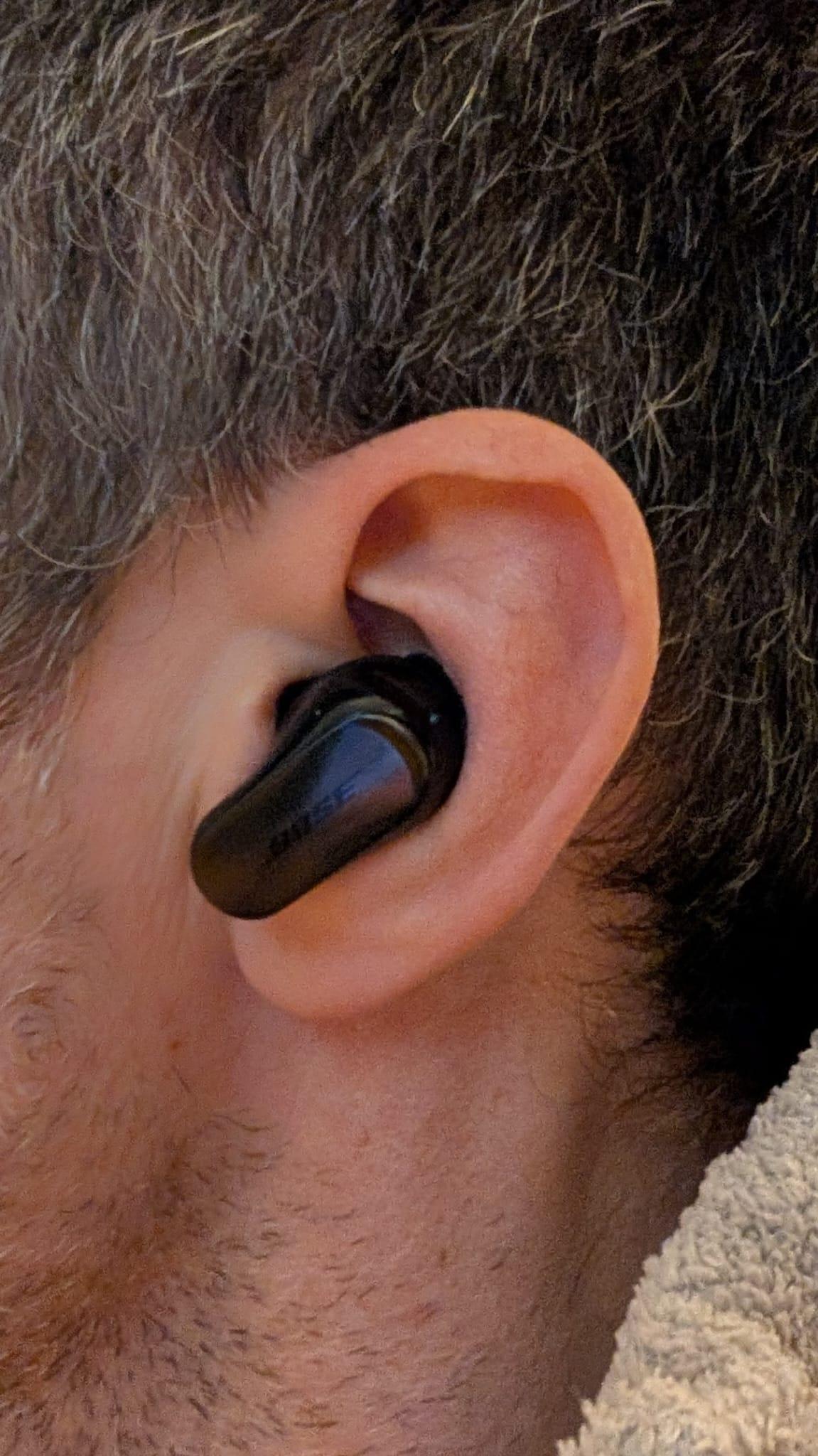
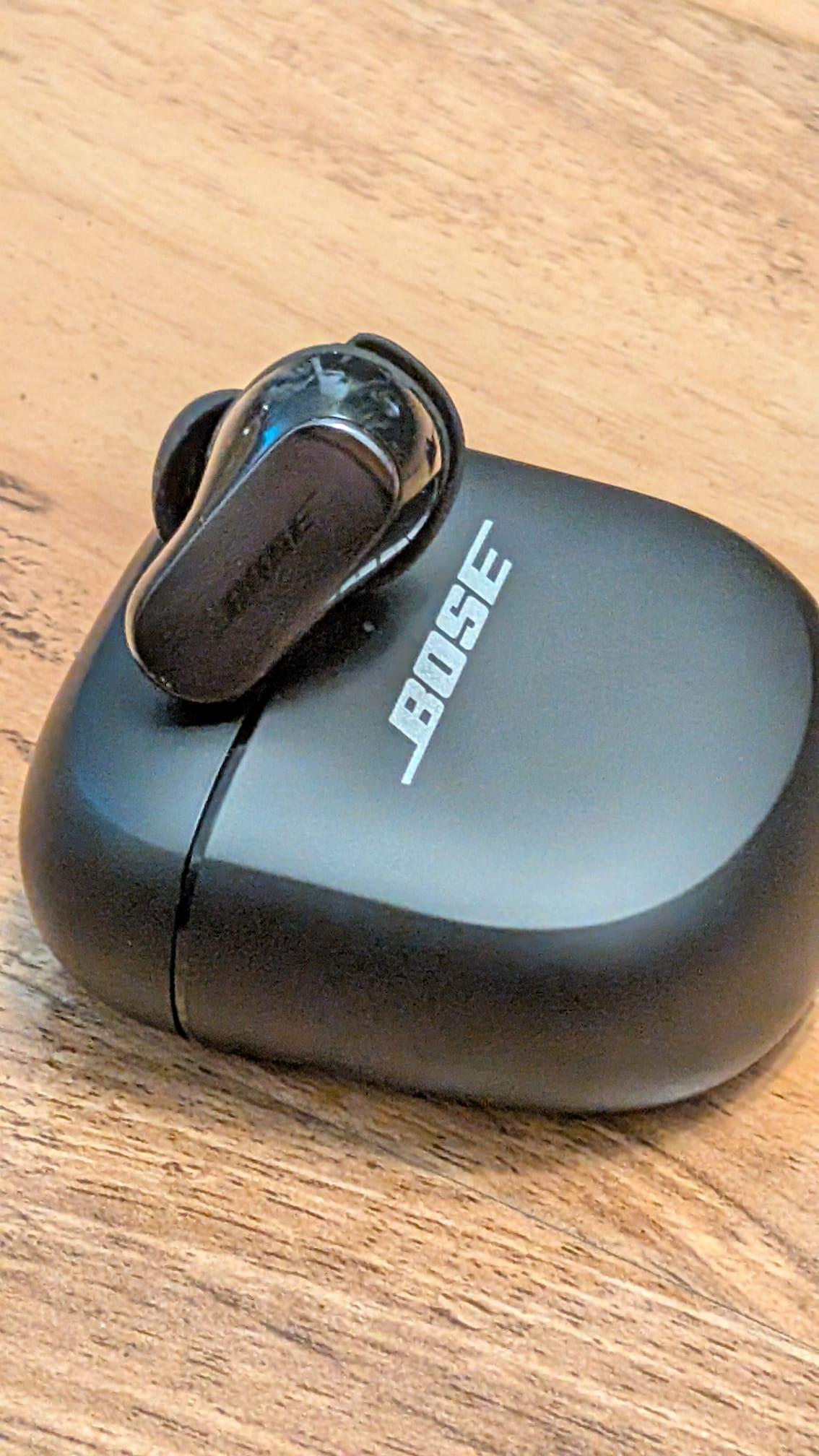
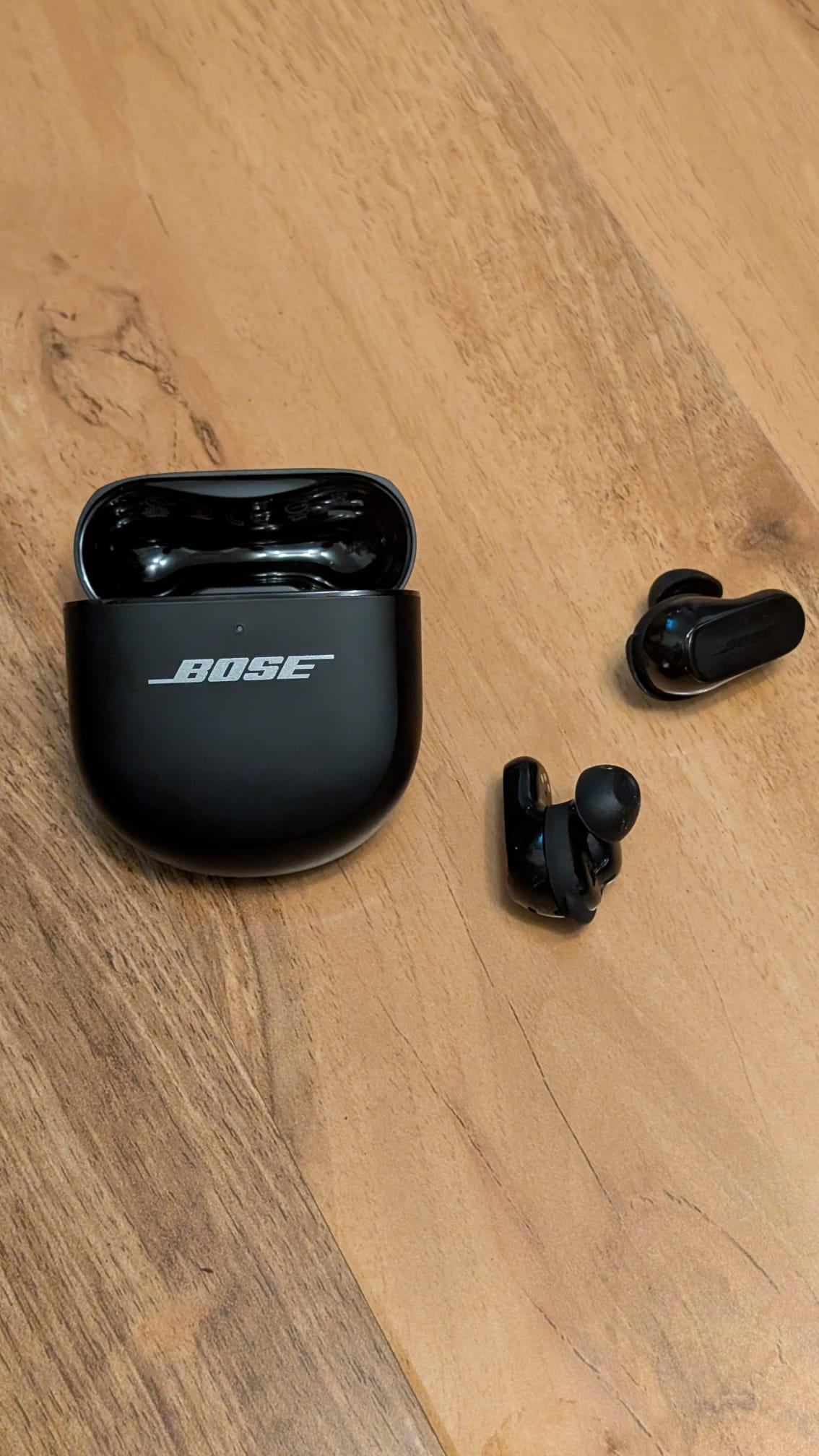
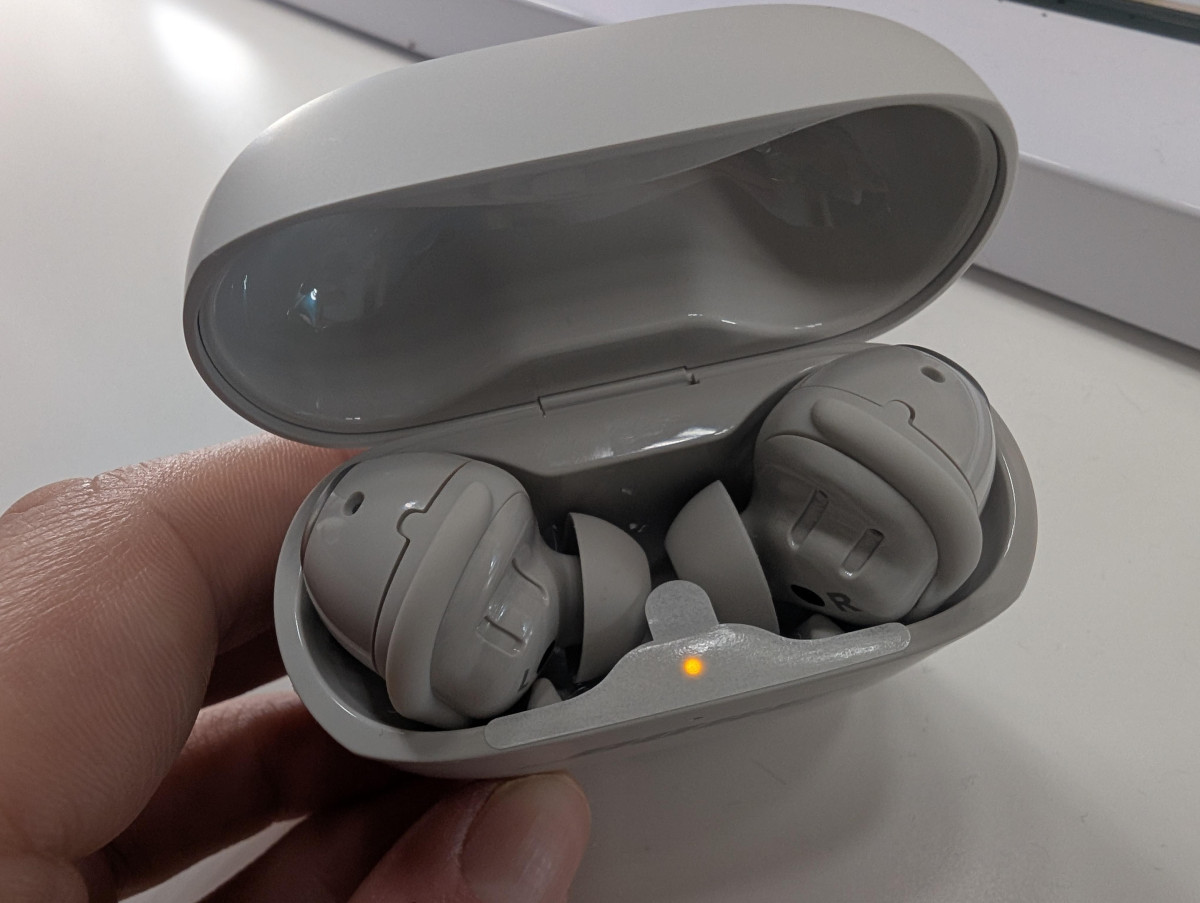
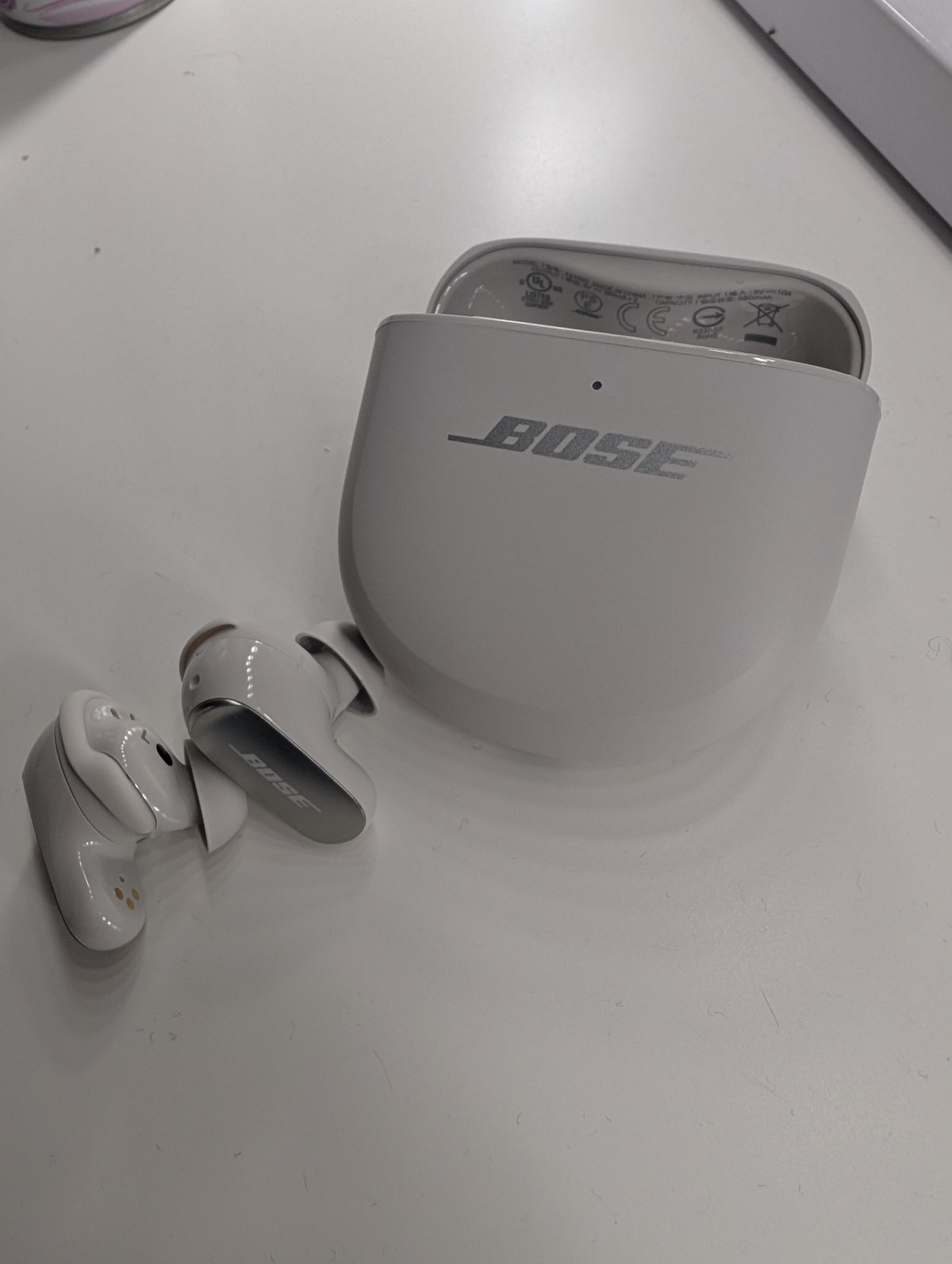
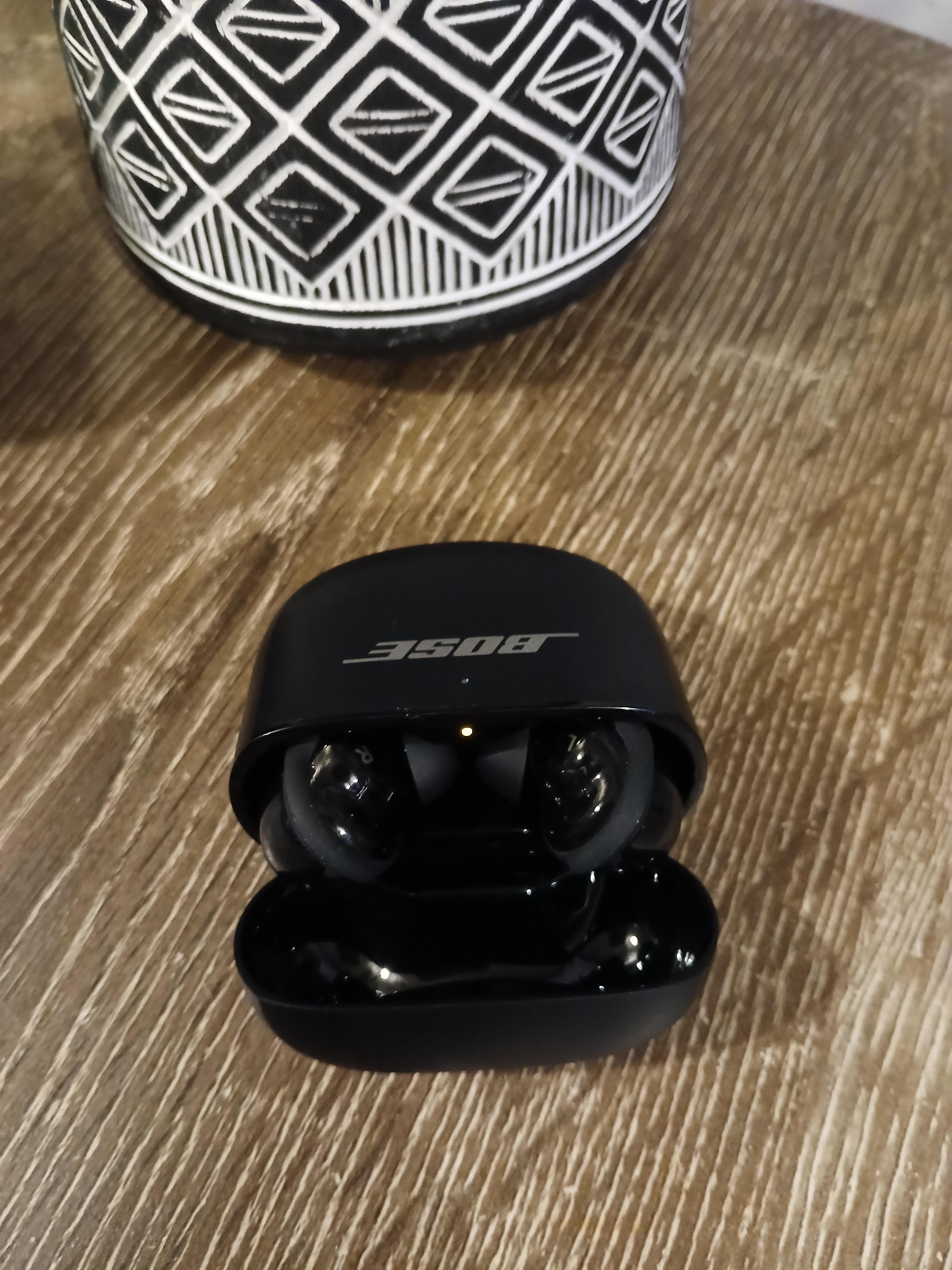
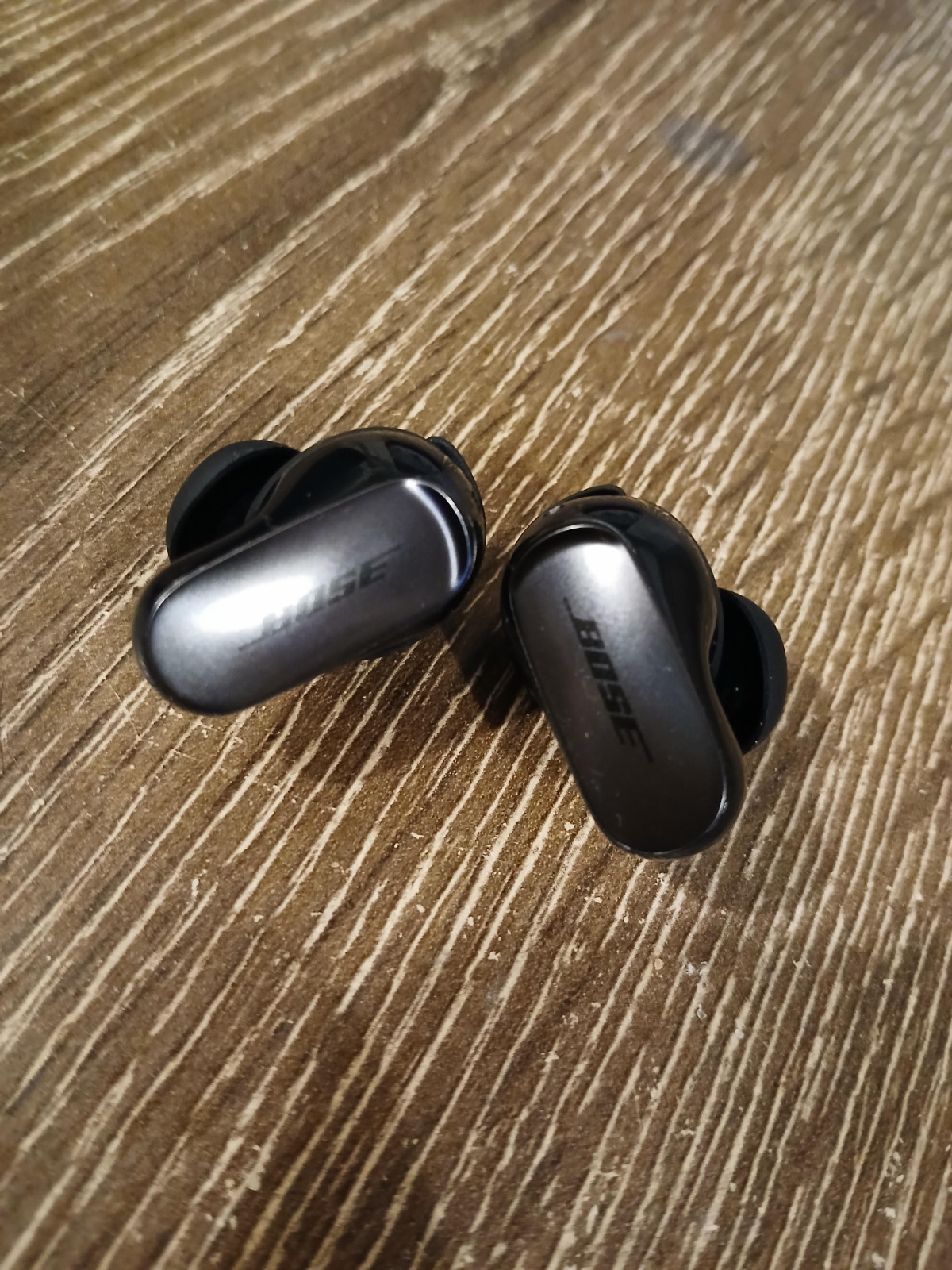
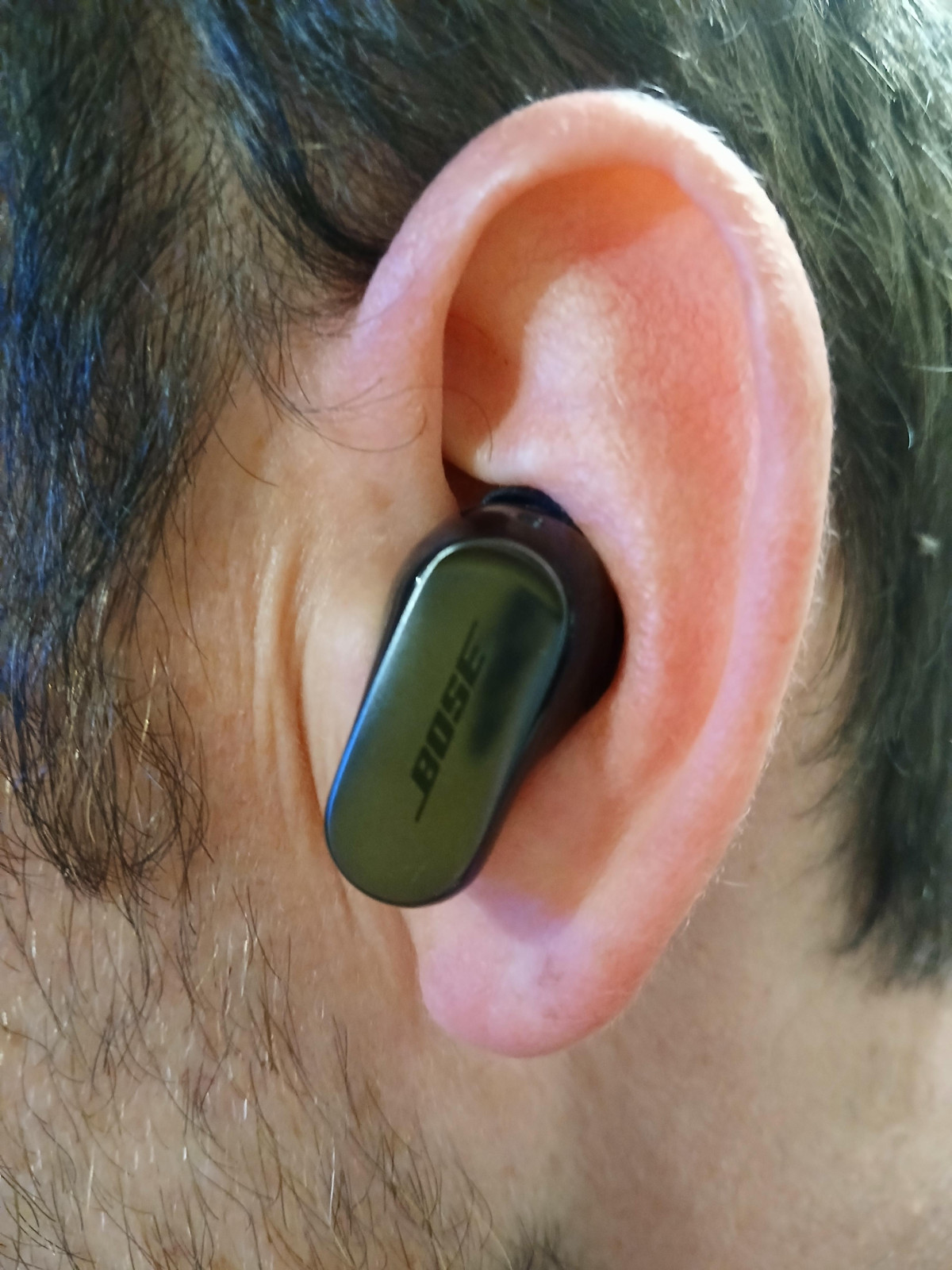
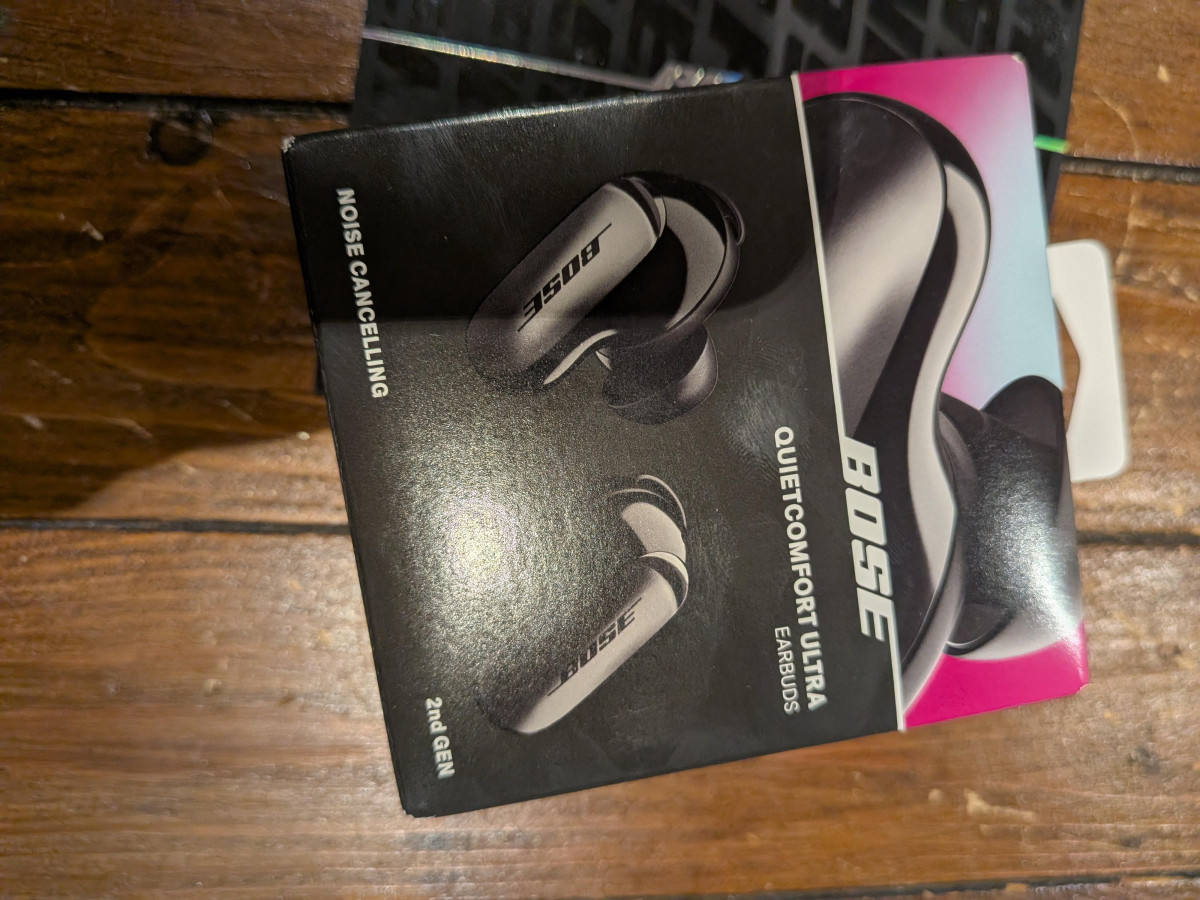
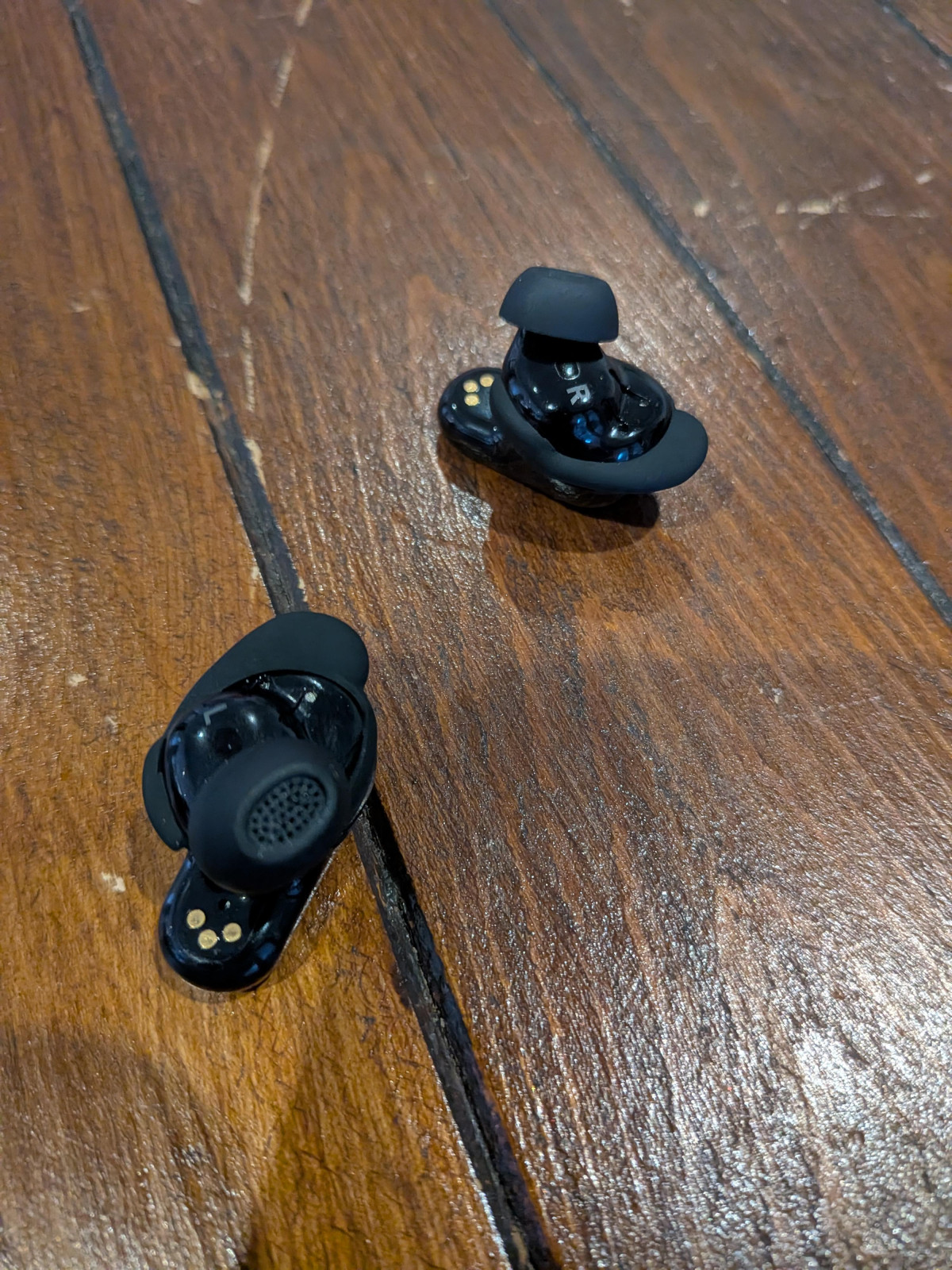
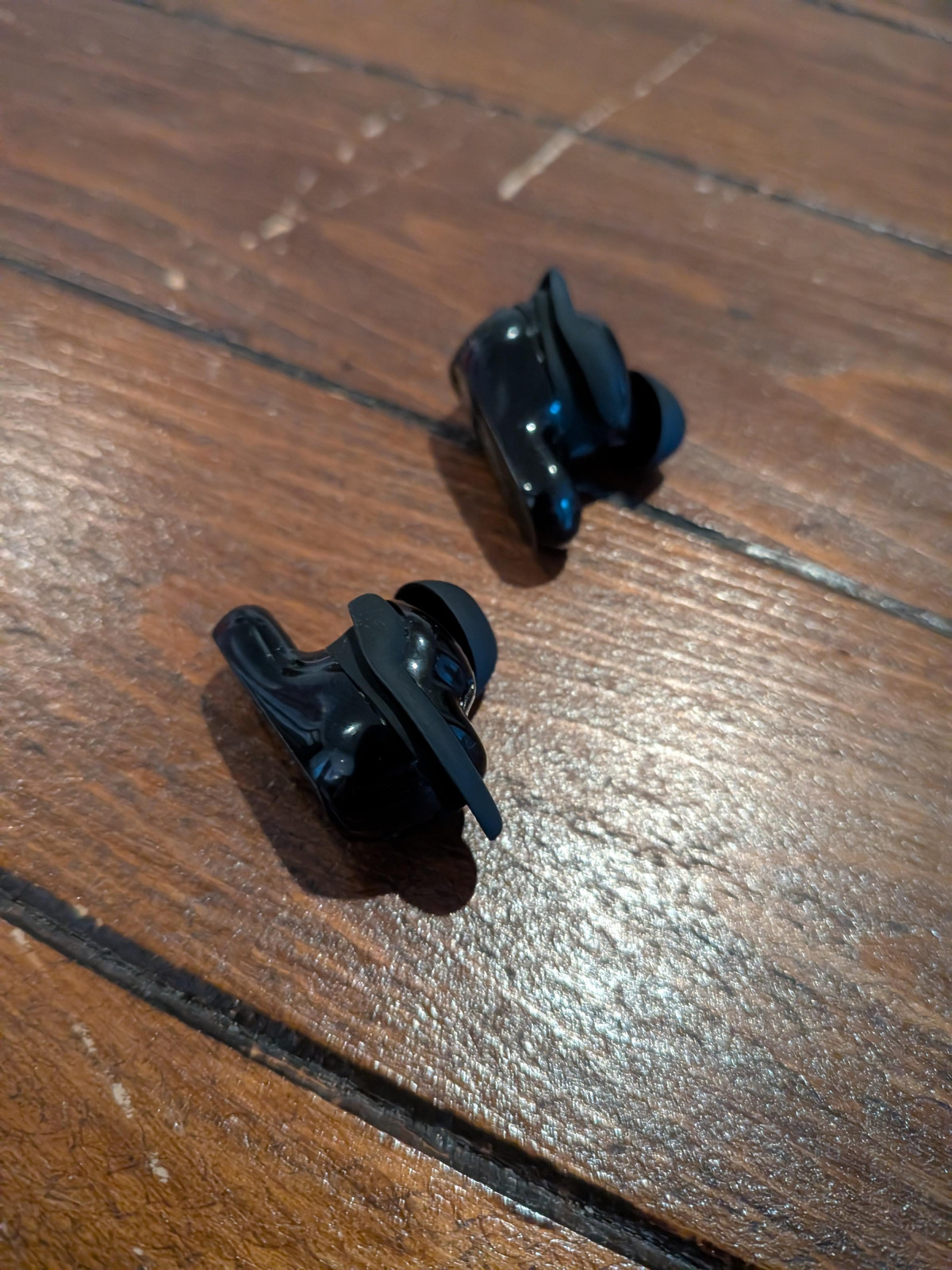
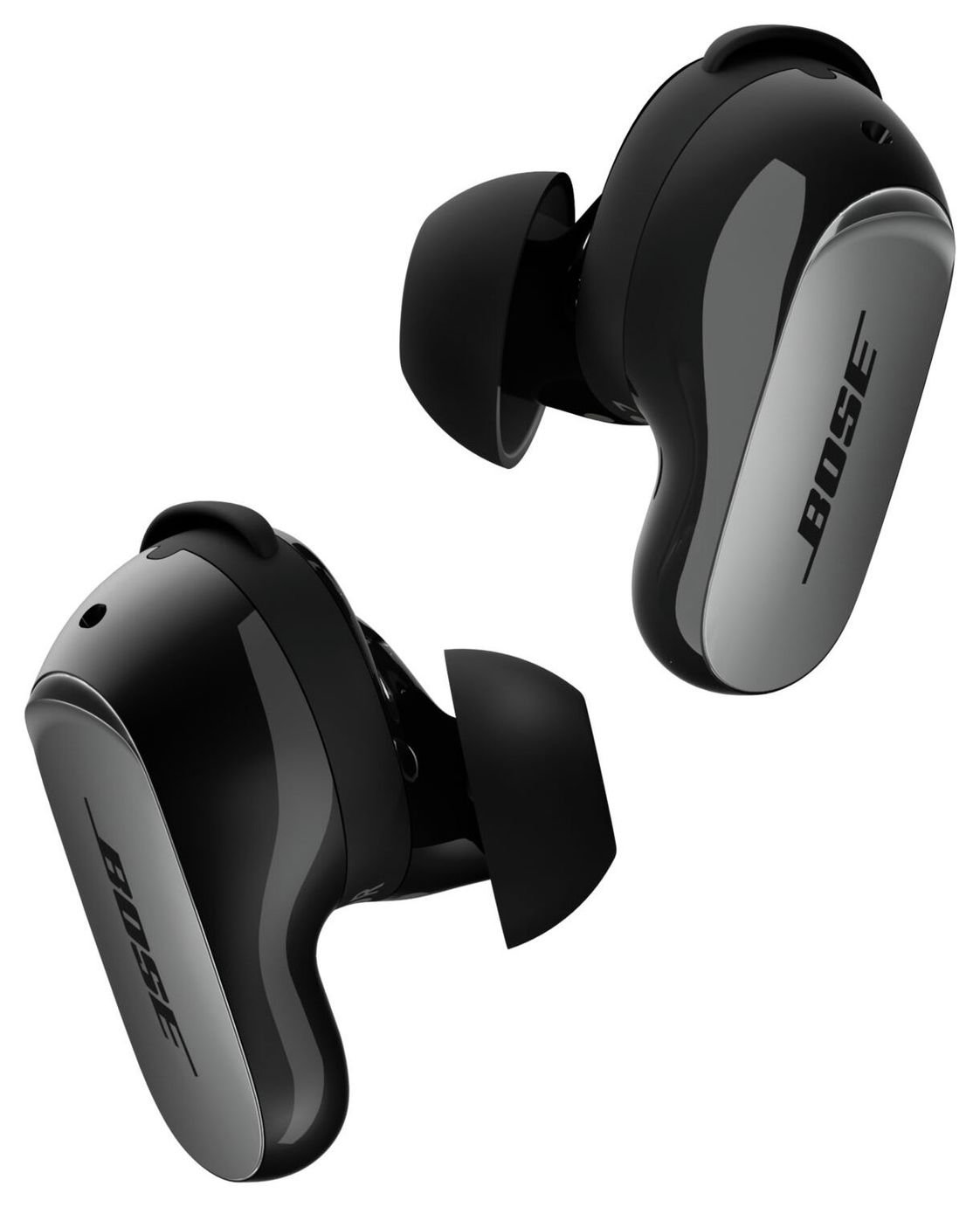
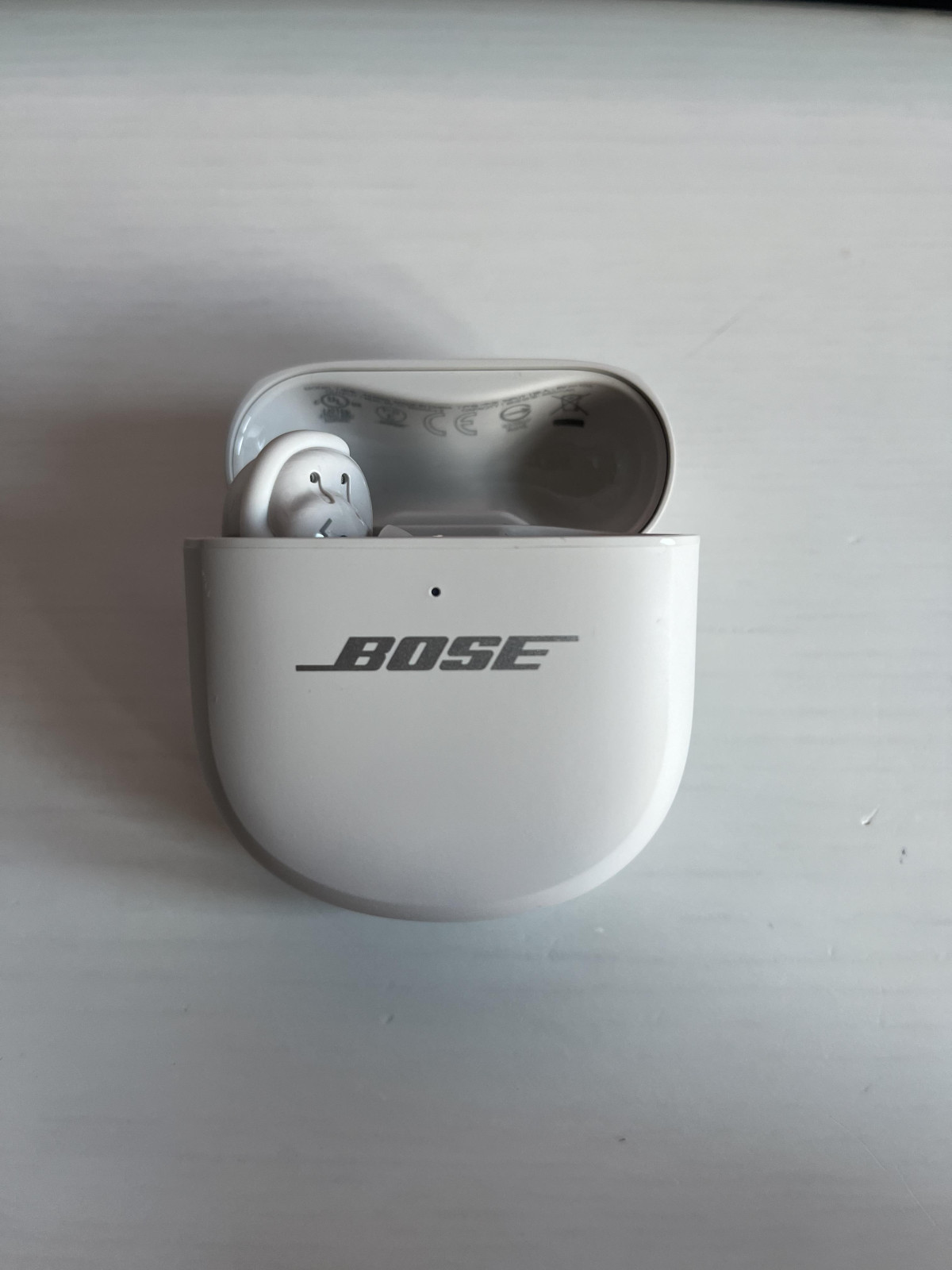
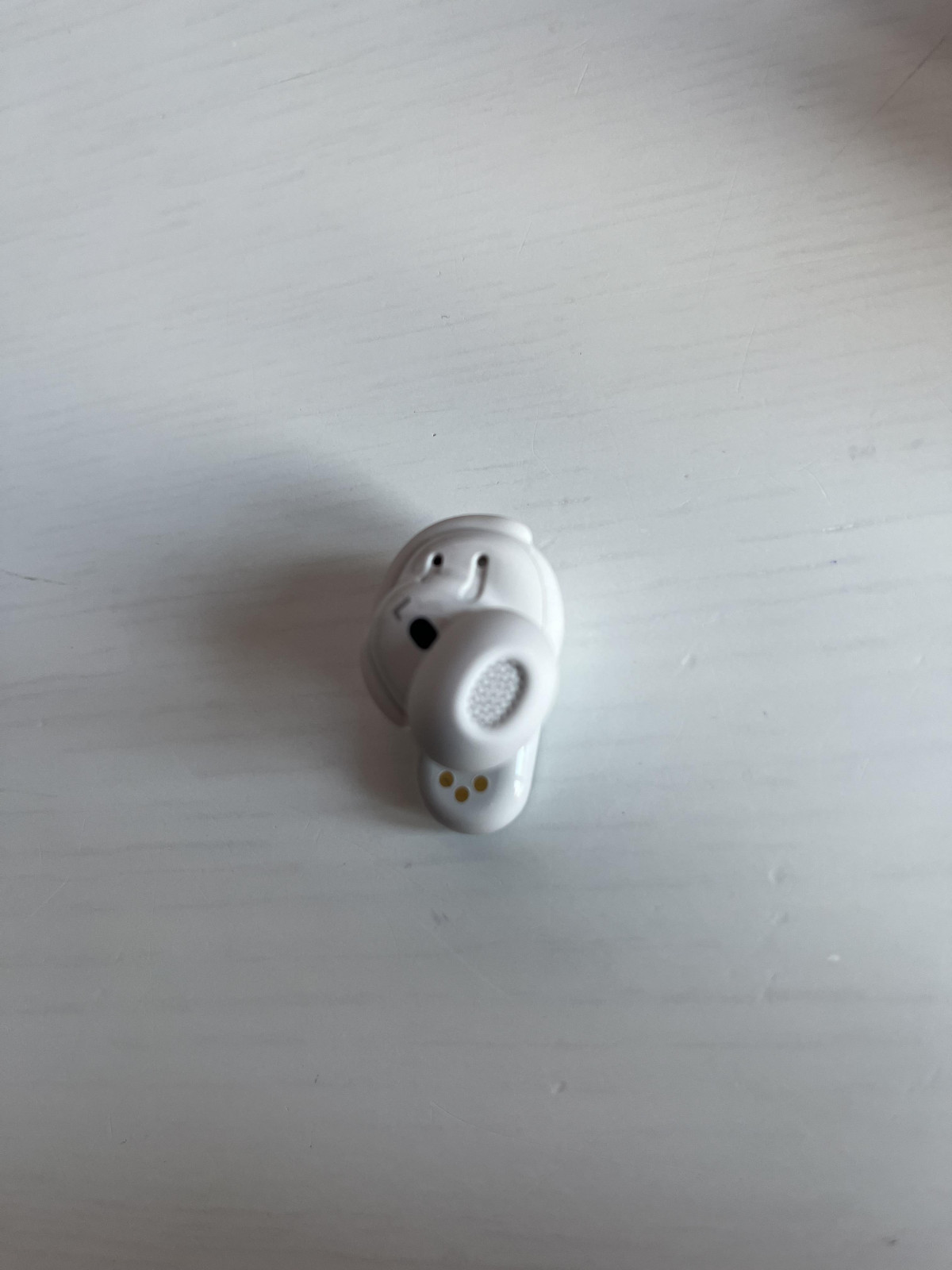
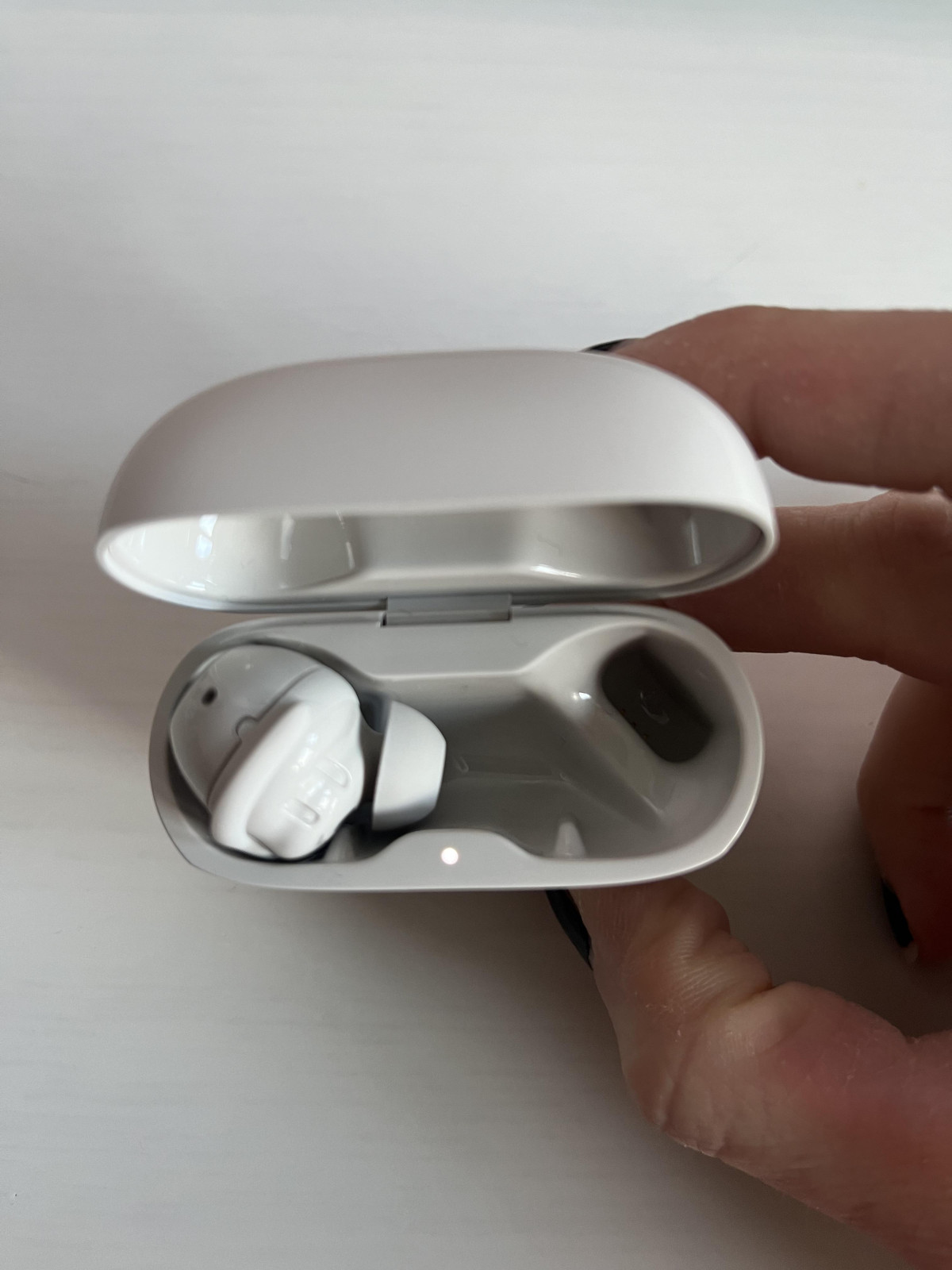
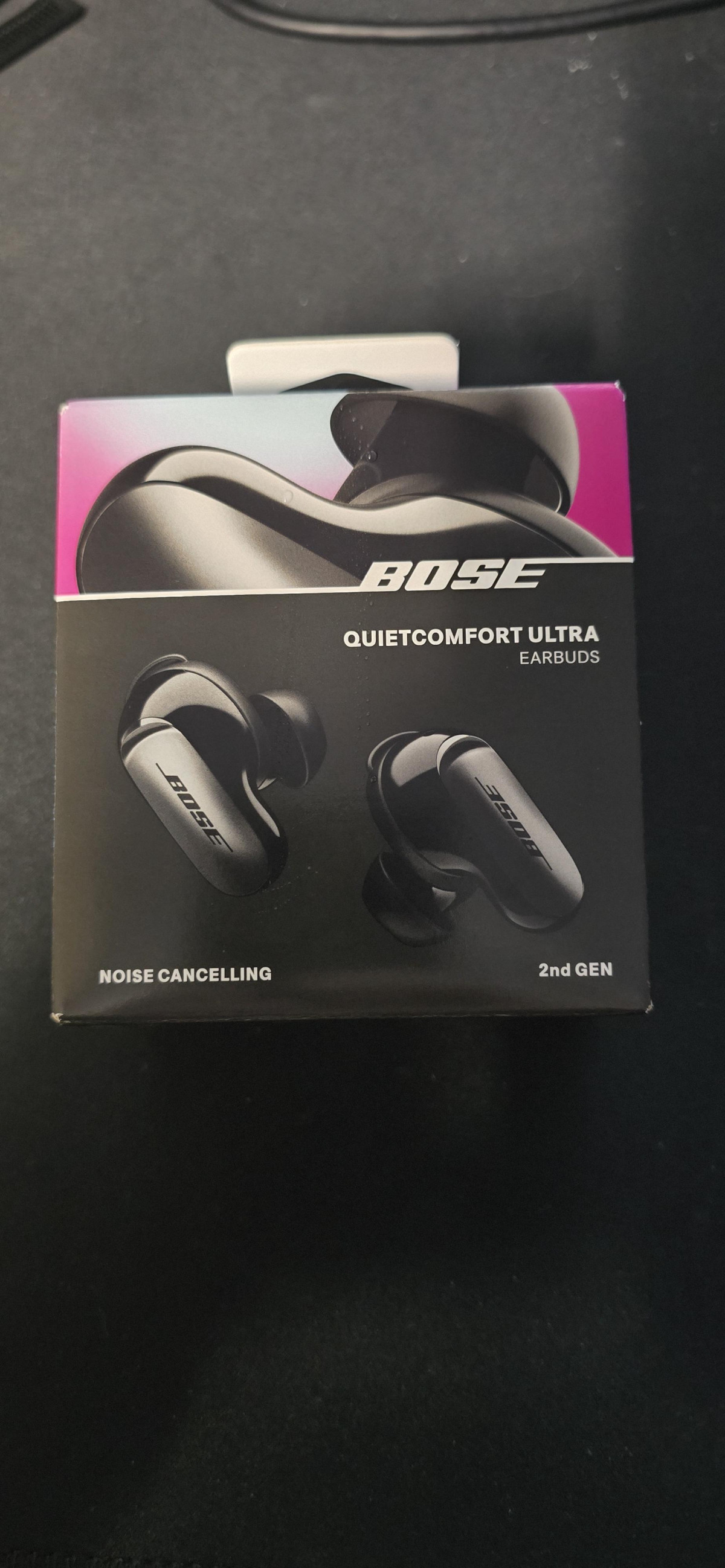
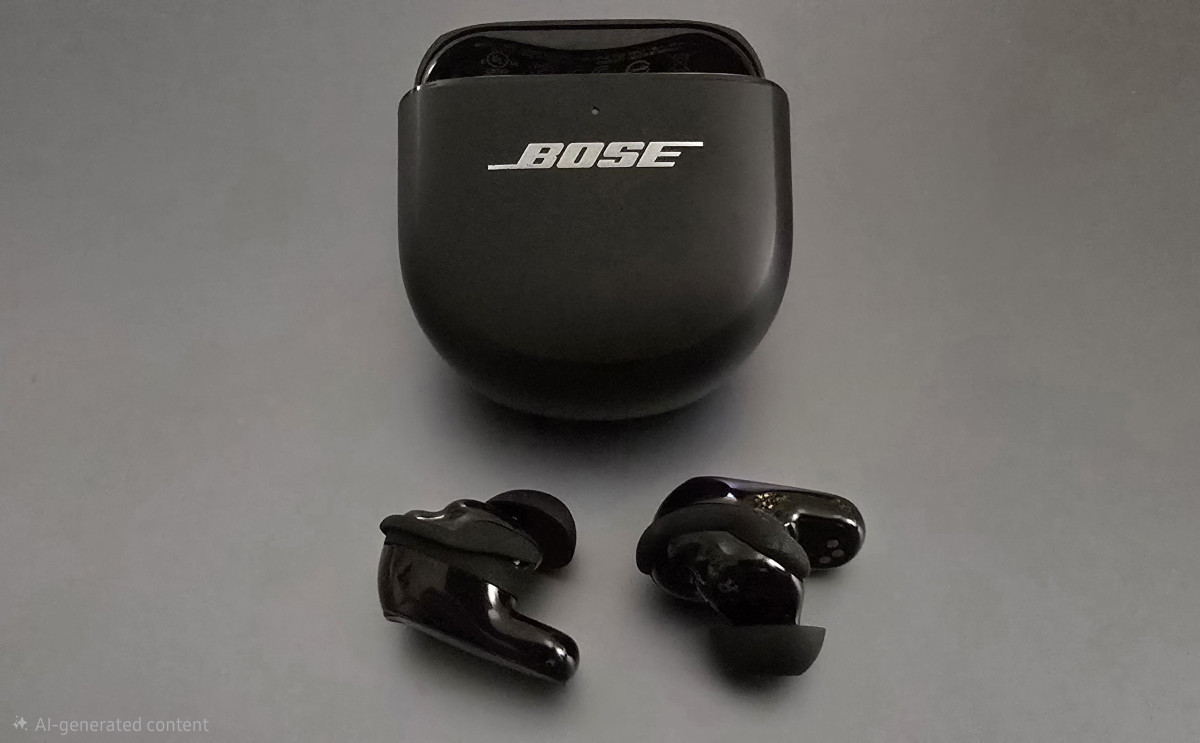
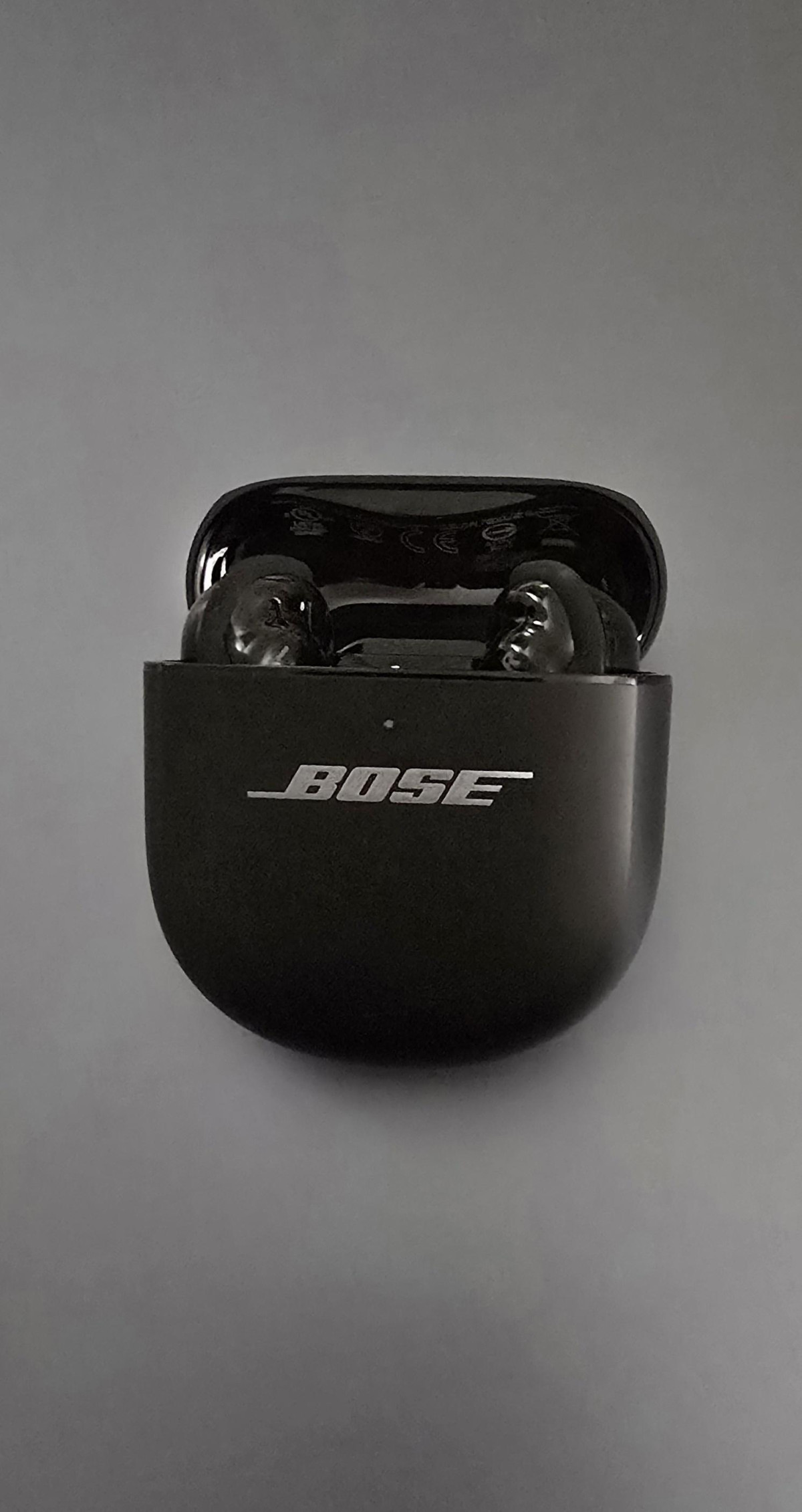
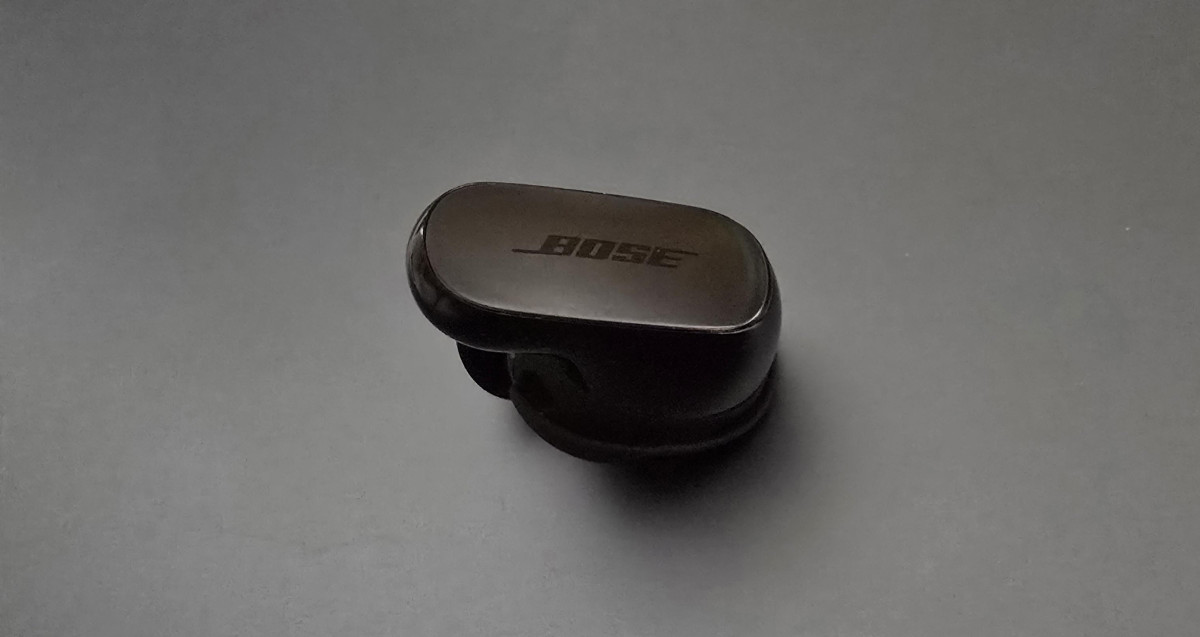
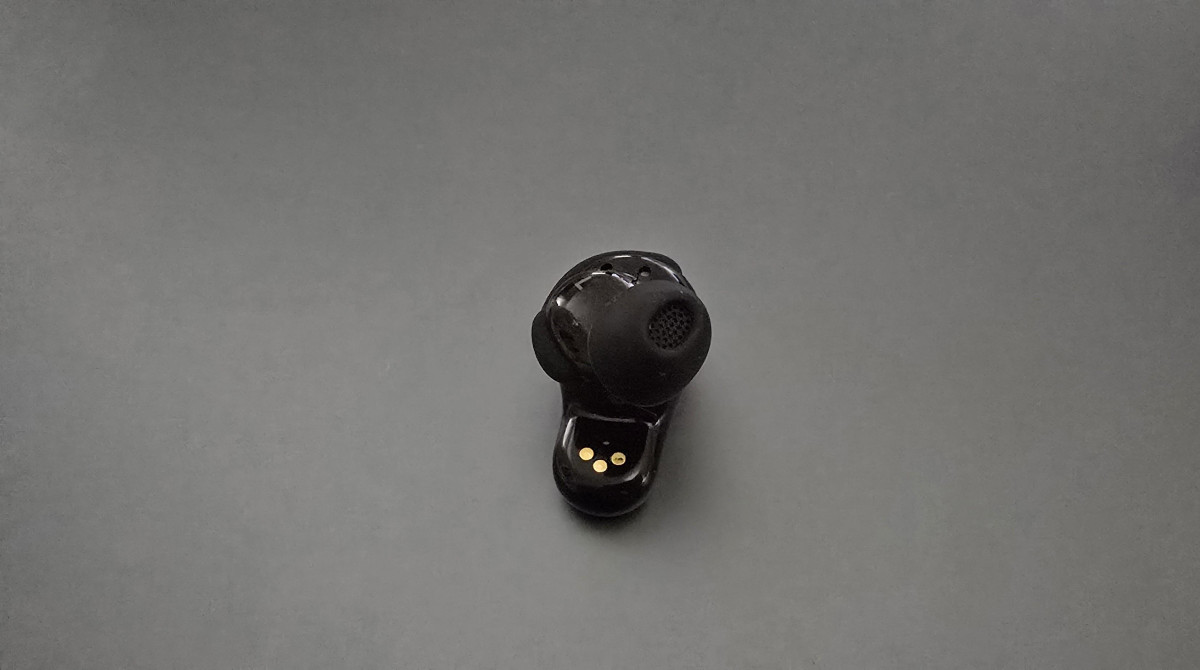
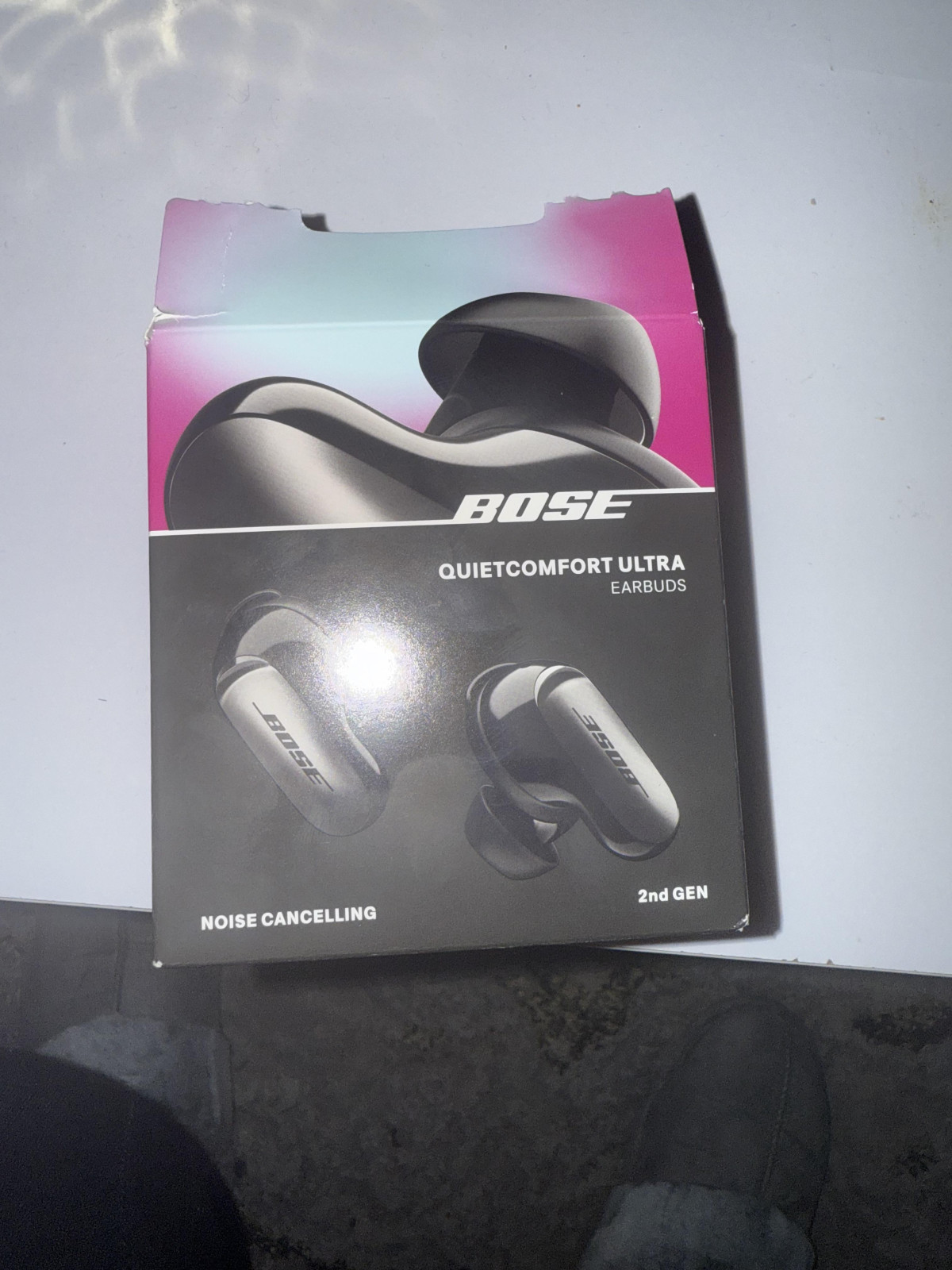
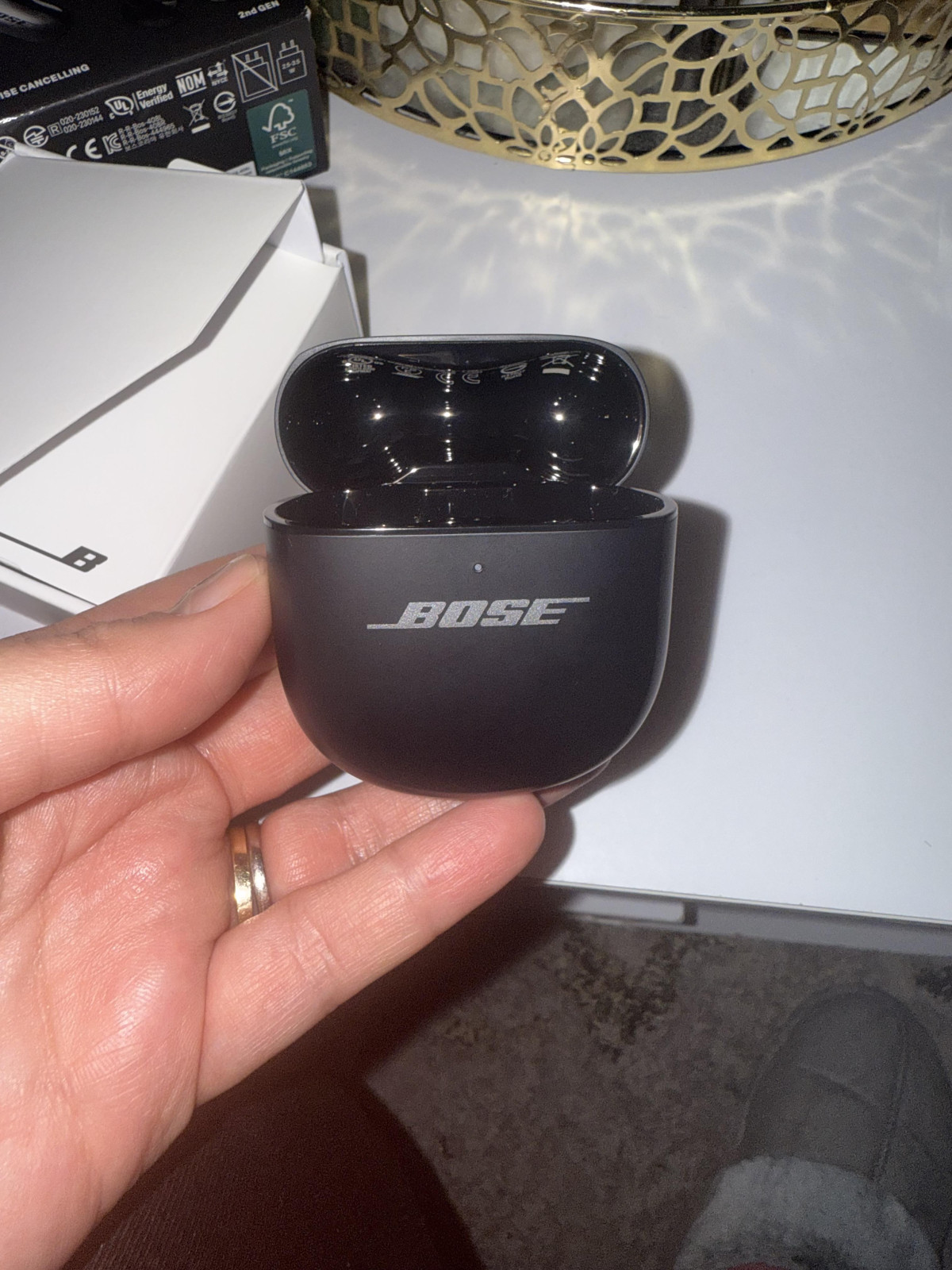
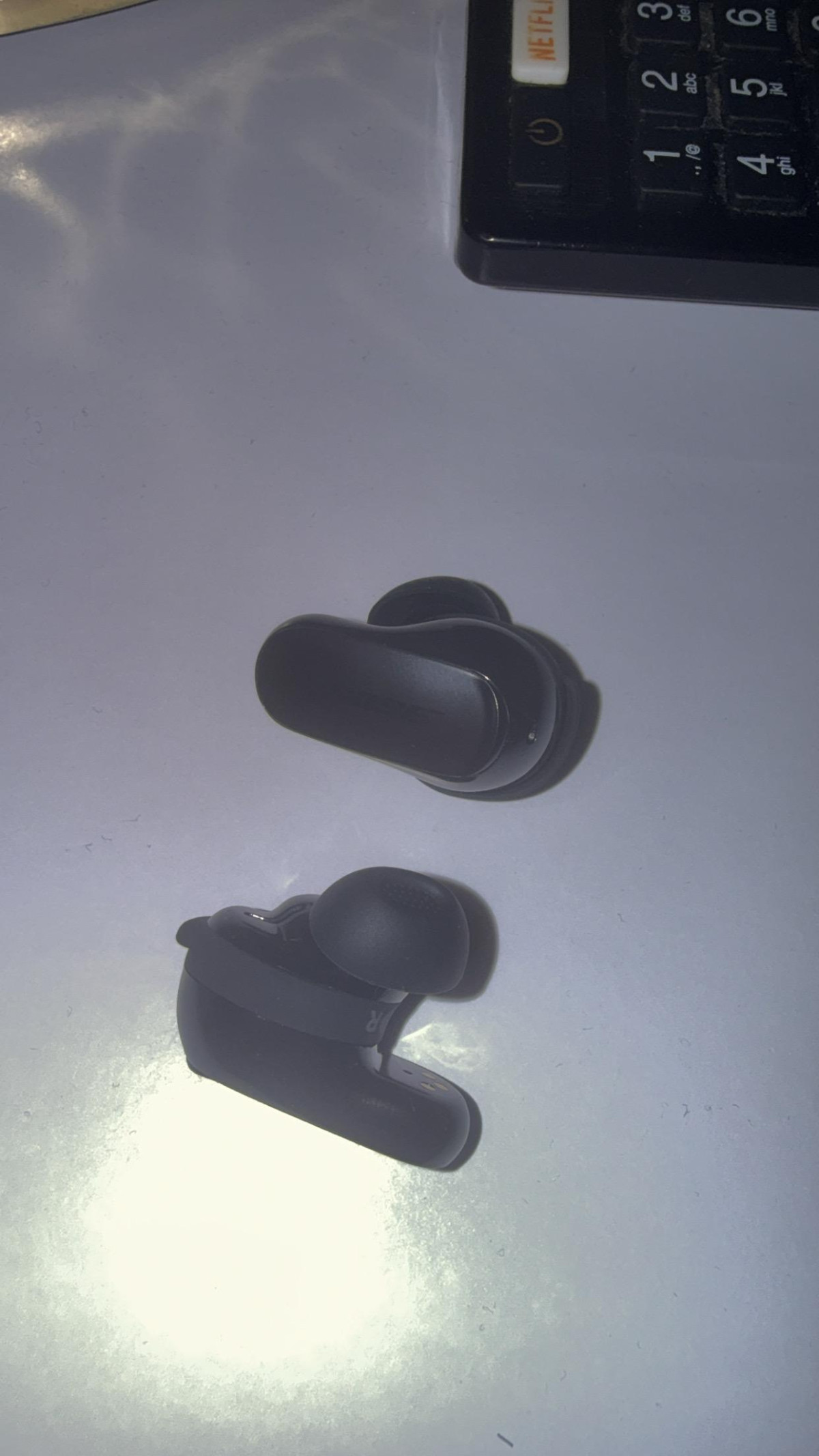
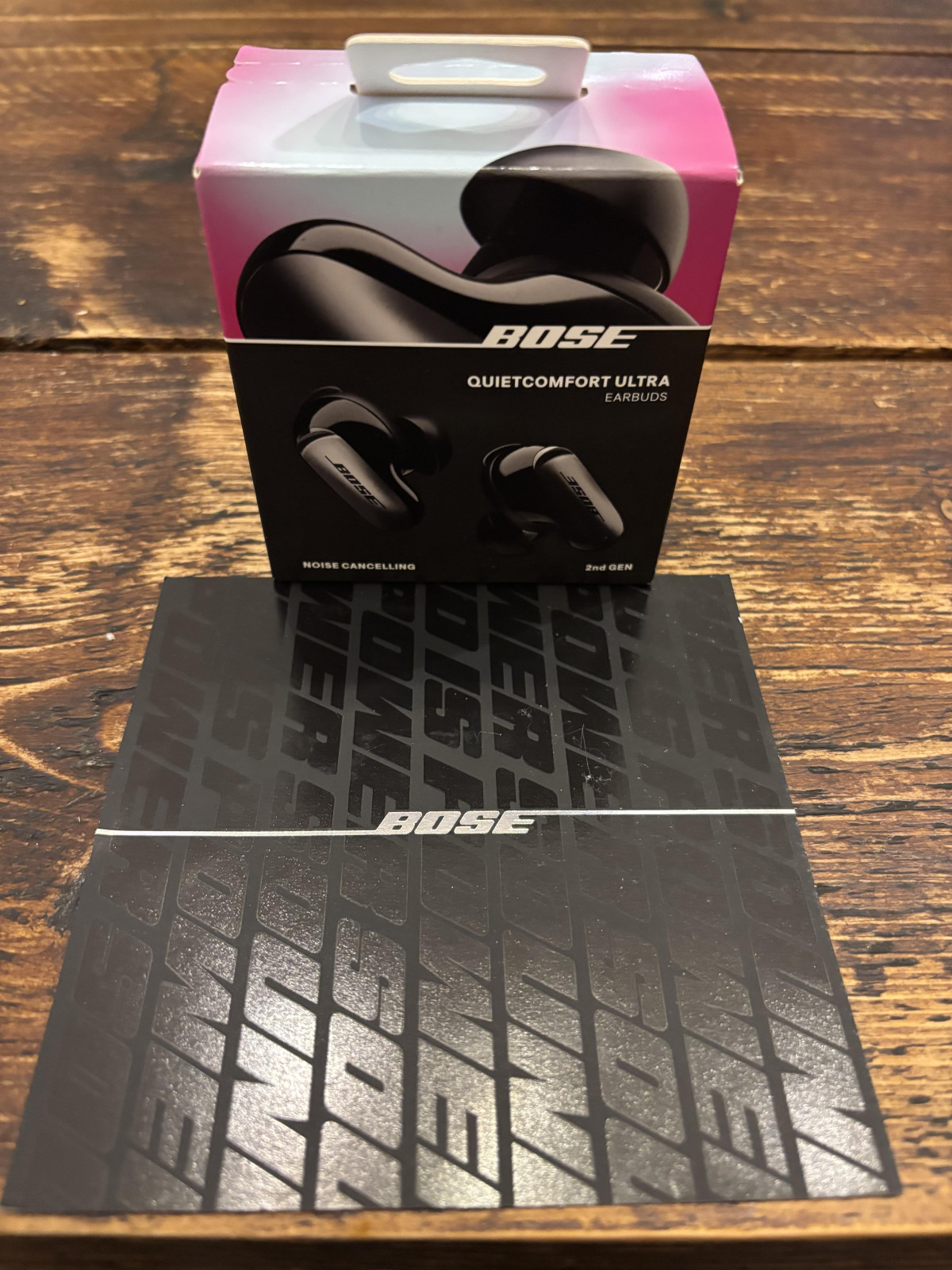
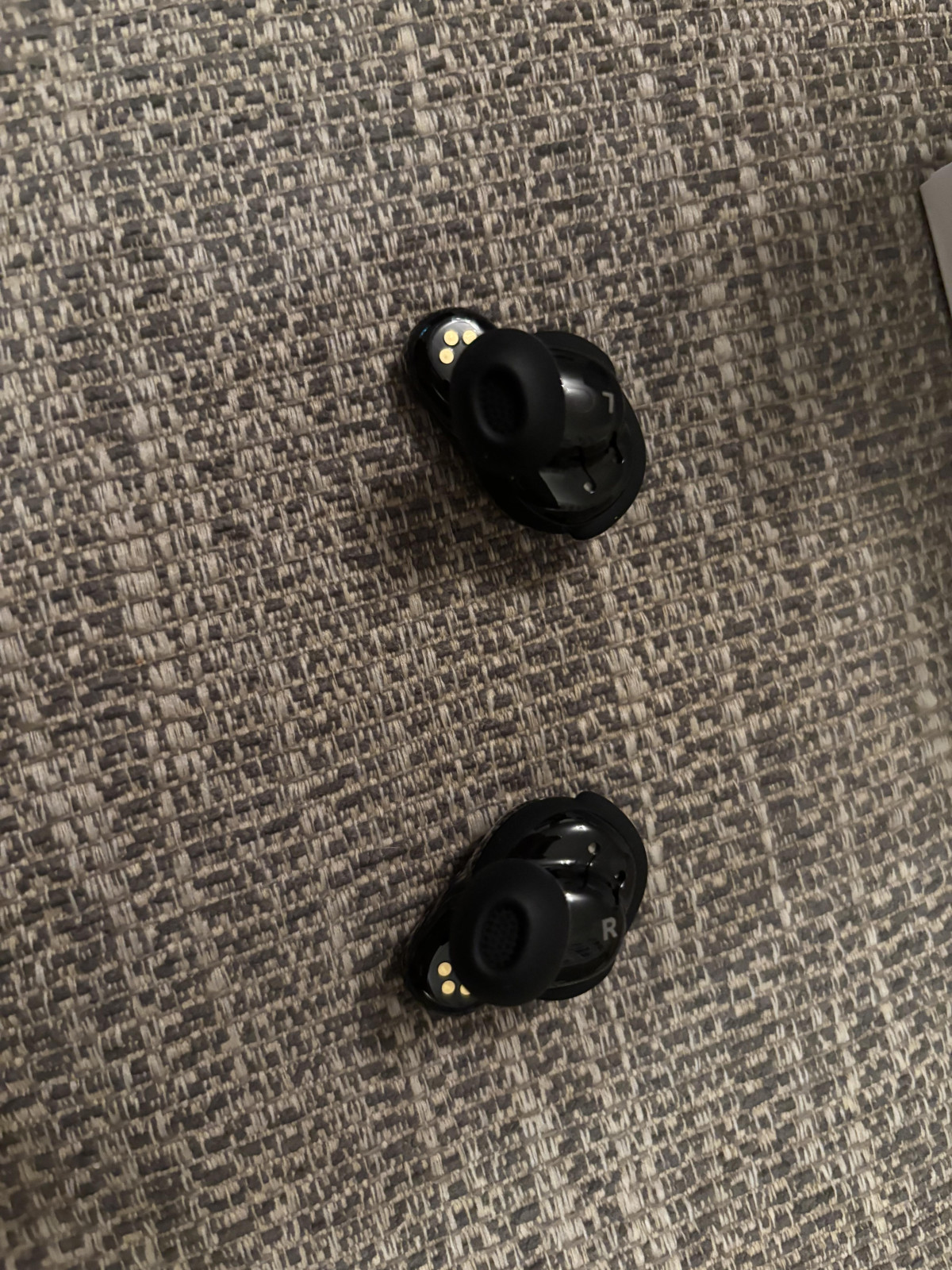
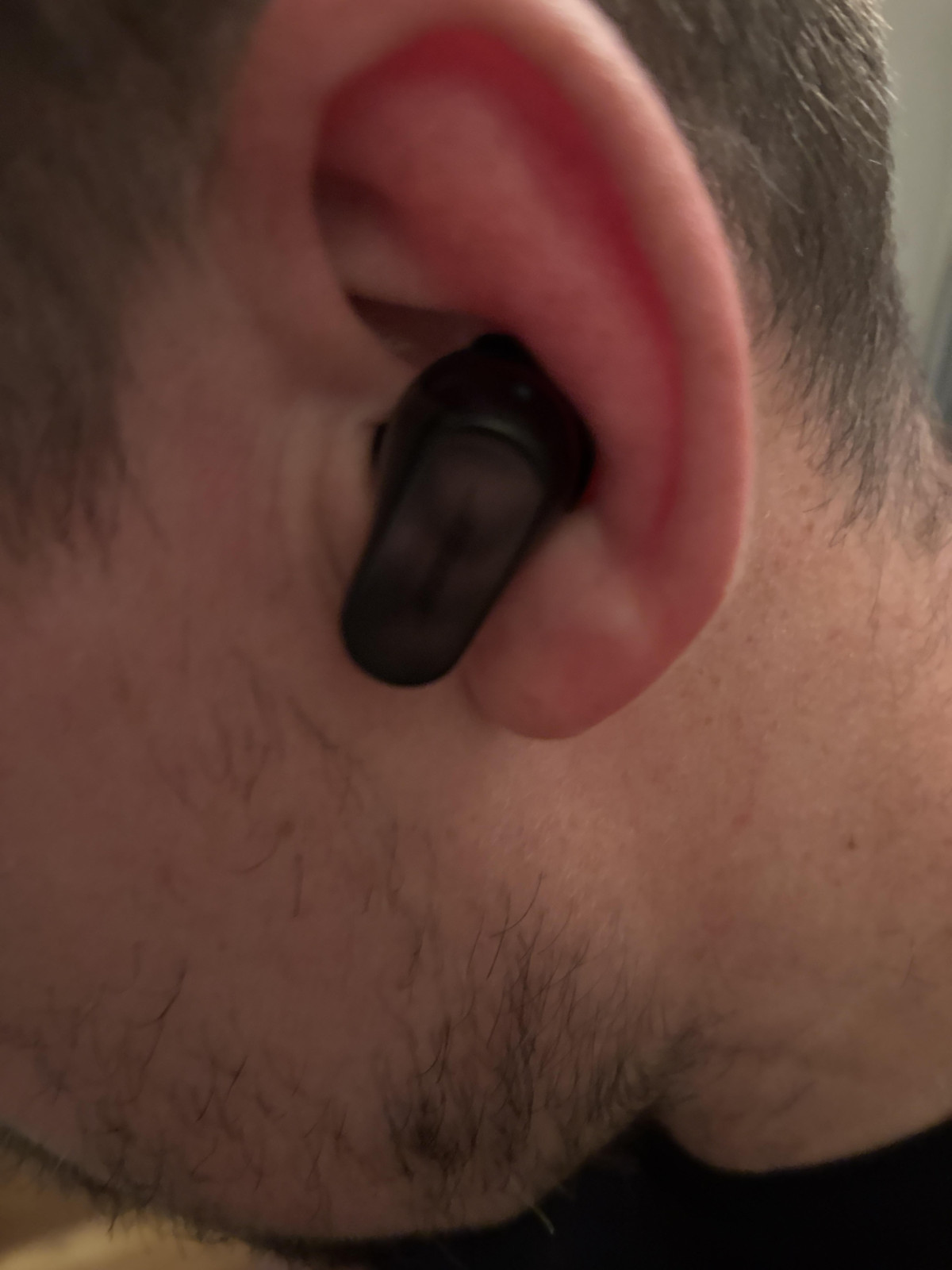
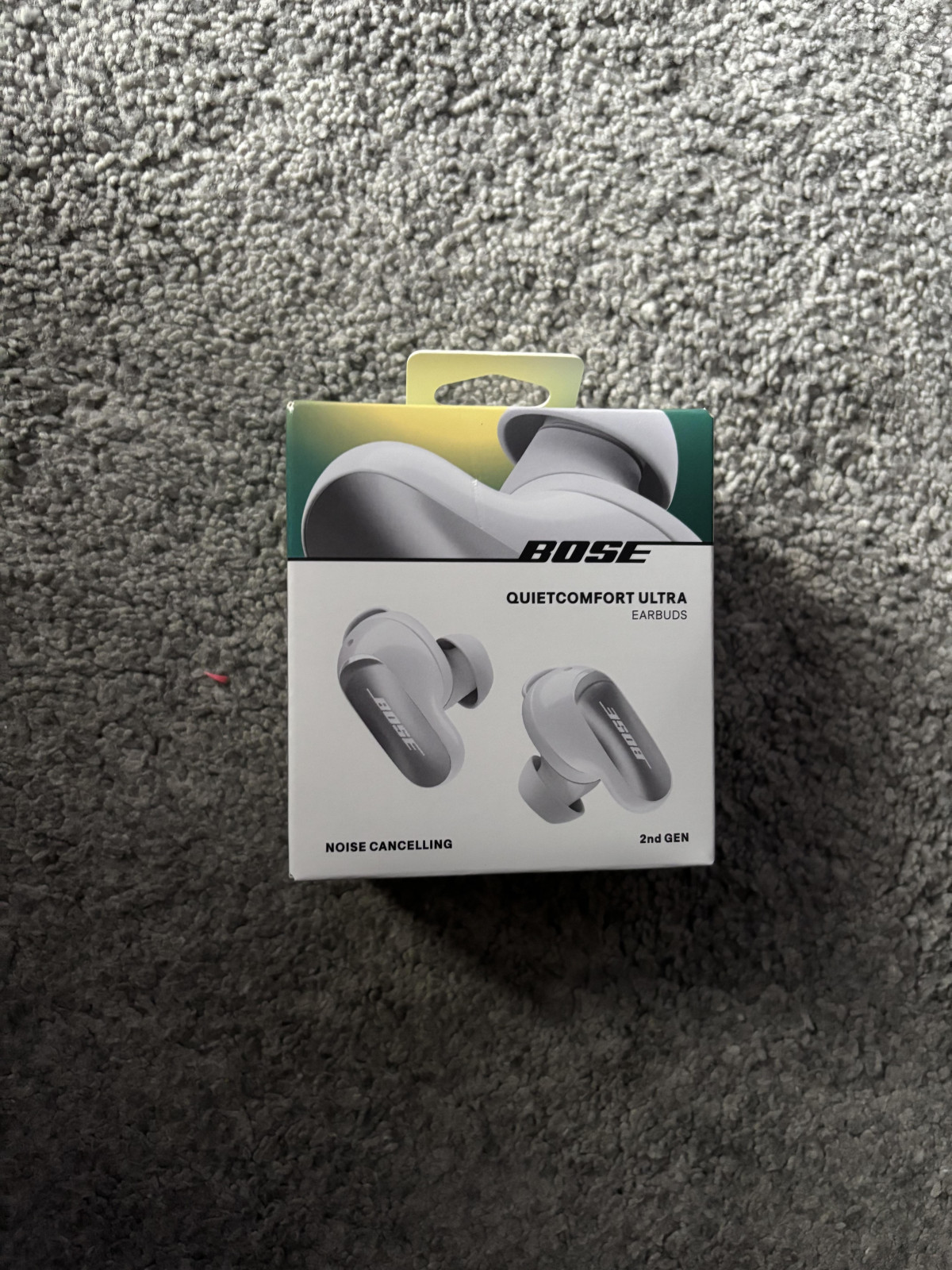
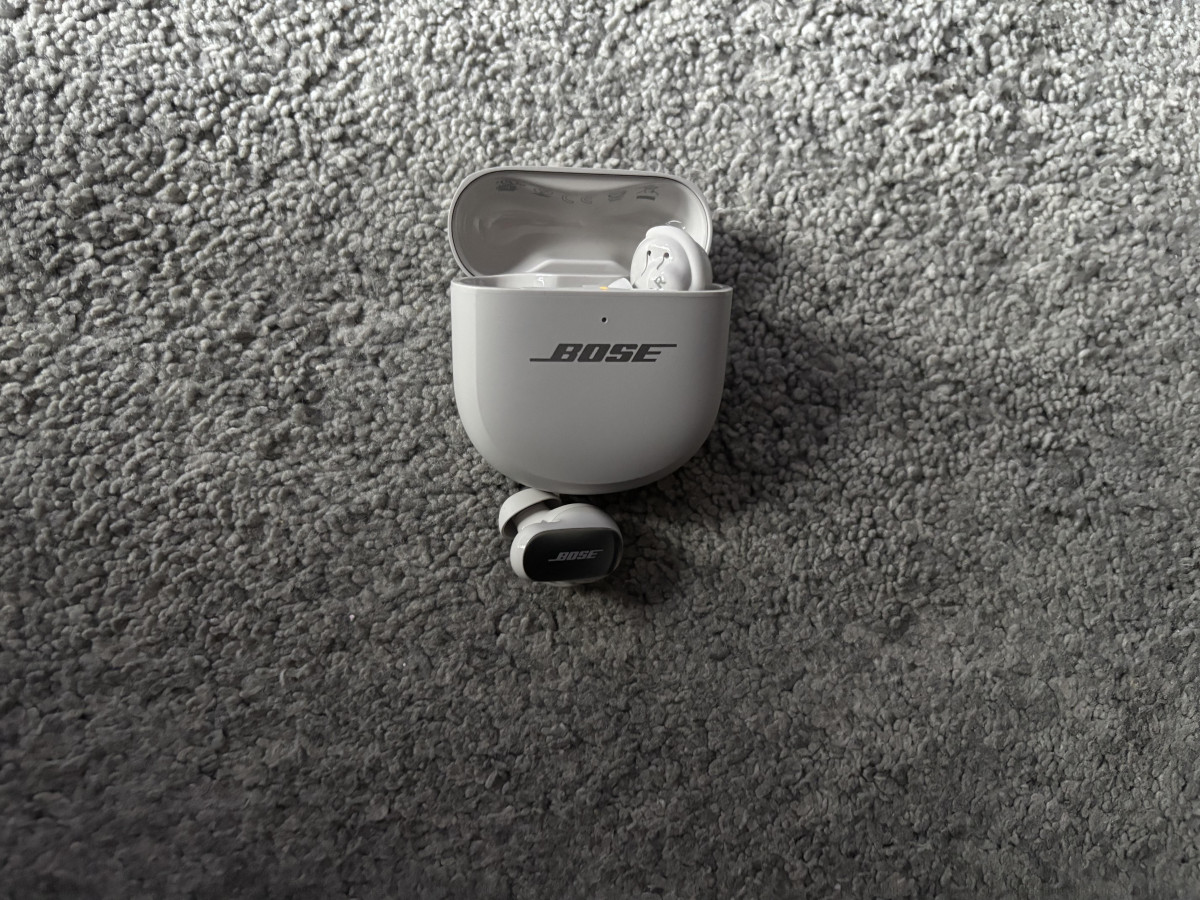
Slip a pair of Bose's flagship earbuds into your ears for the first time and the difference from typical wireless earbuds is immediate. Where most true wireless buds chase a slim, stick-like profile, Bose has stuck with a stubby, oval nozzle design that prioritises a deep, secure seal over minimalist looks. It's a shape philosophy carried over from the original QuietComfort Ultra Earbuds, and for the second generation, Bose has refined rather than reinvented it.
Each earbud weighs a little under 8 grams — light enough to forget you're wearing them during a long workday, but with enough bulk that they sit more conspicuously in your ear than something like a pair of AirPods. That trade-off exists for a reason: the extra body houses the drivers, sensors, and battery needed to deliver the noise cancellation Bose is known for, and the payoff is a fit that stays put through runs, commutes, and gym sessions rather than working itself loose.
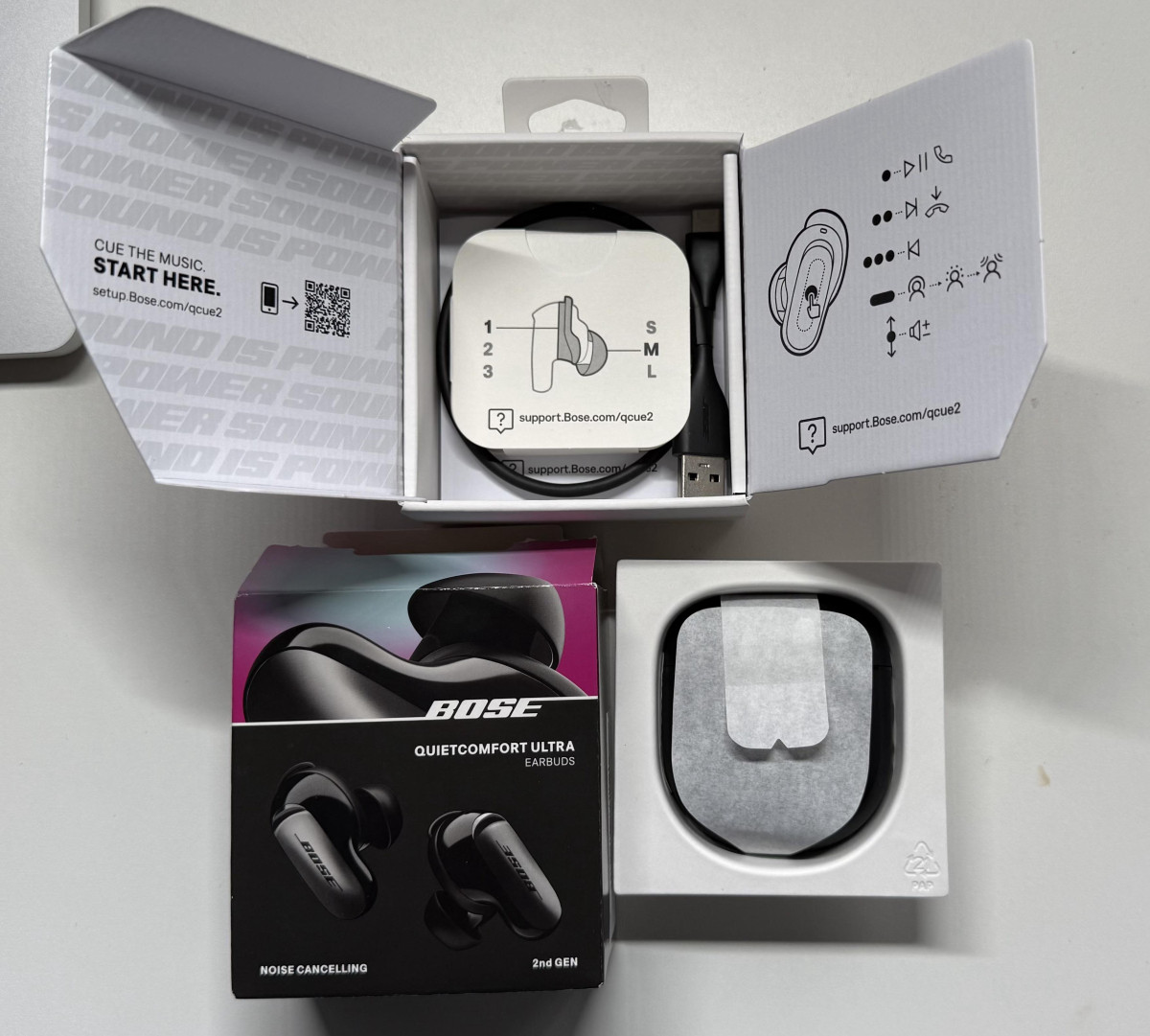
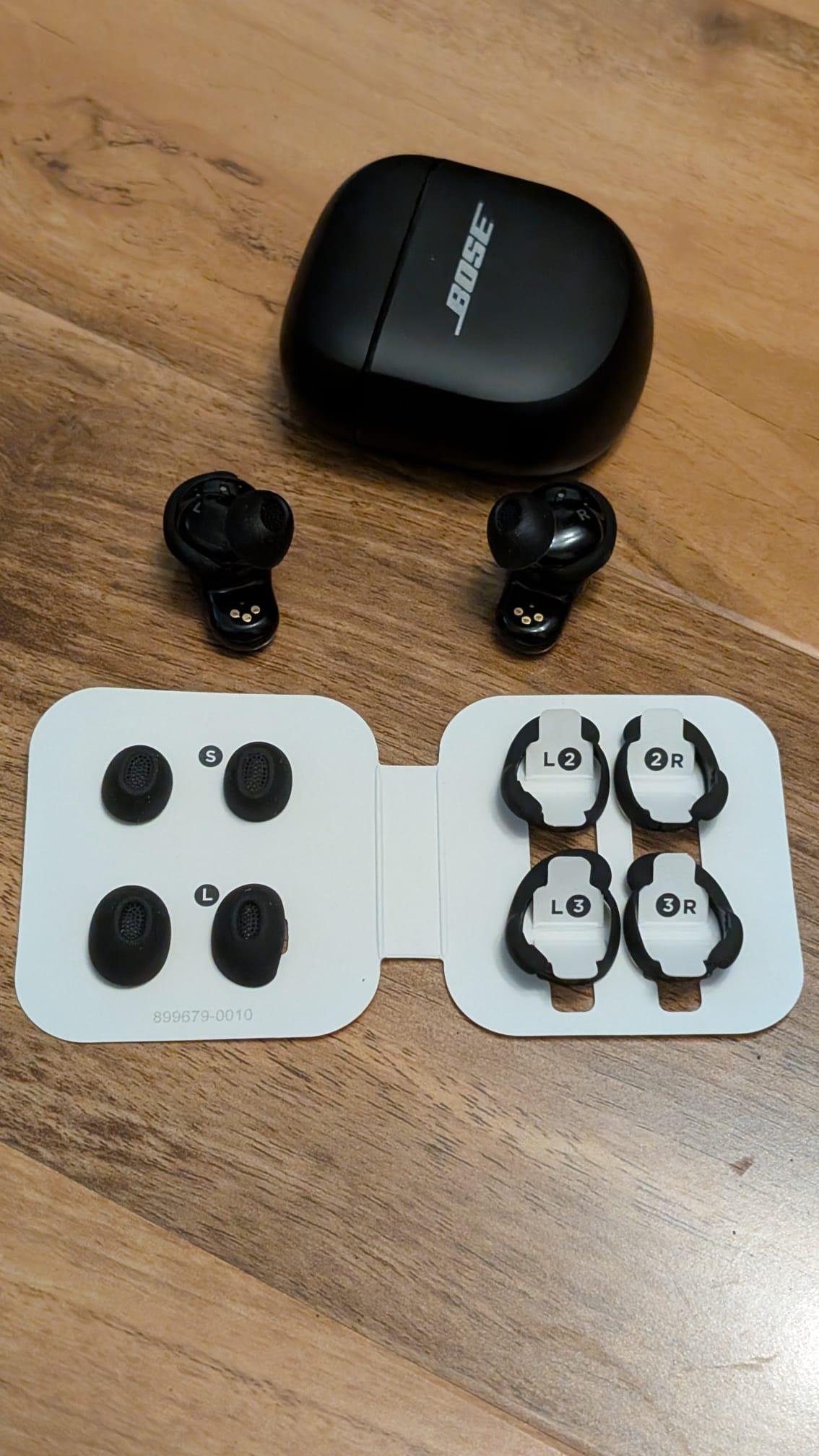
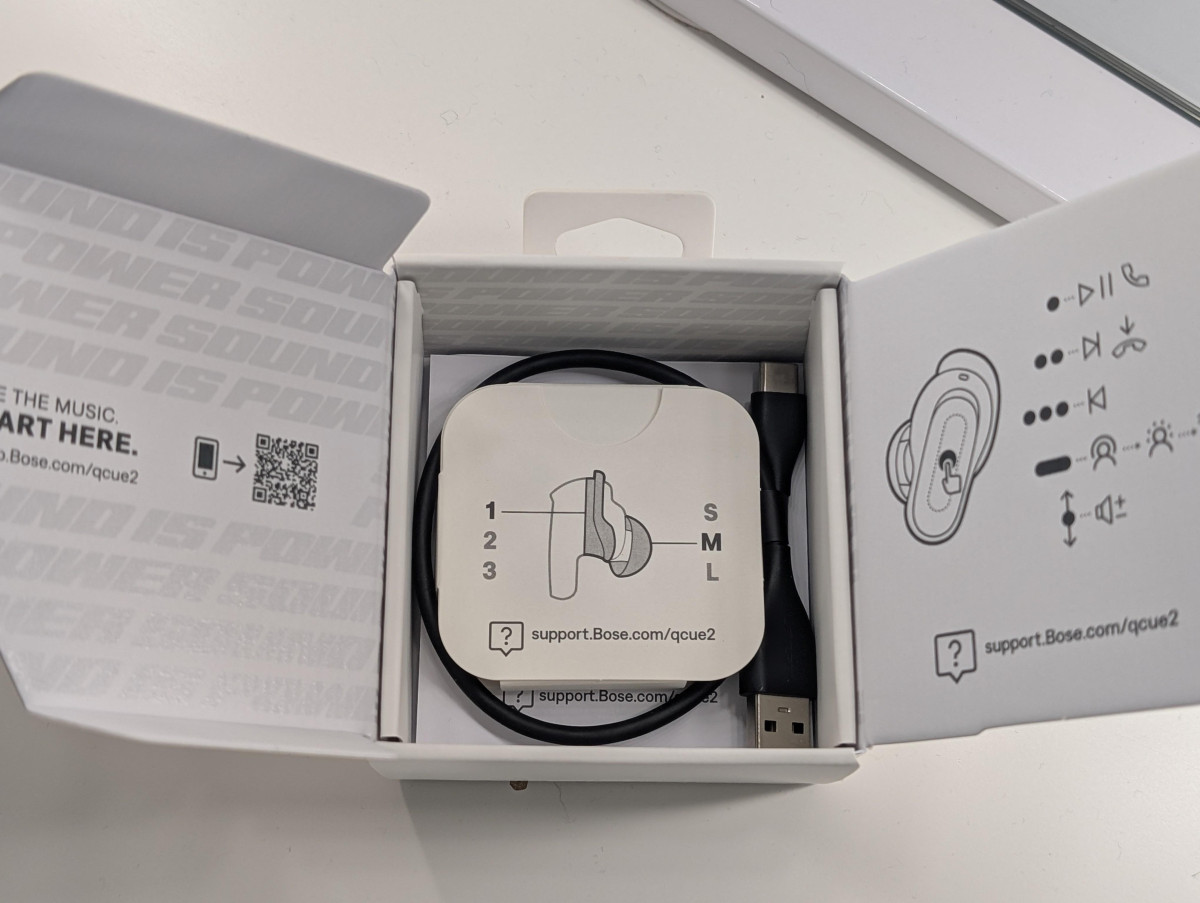
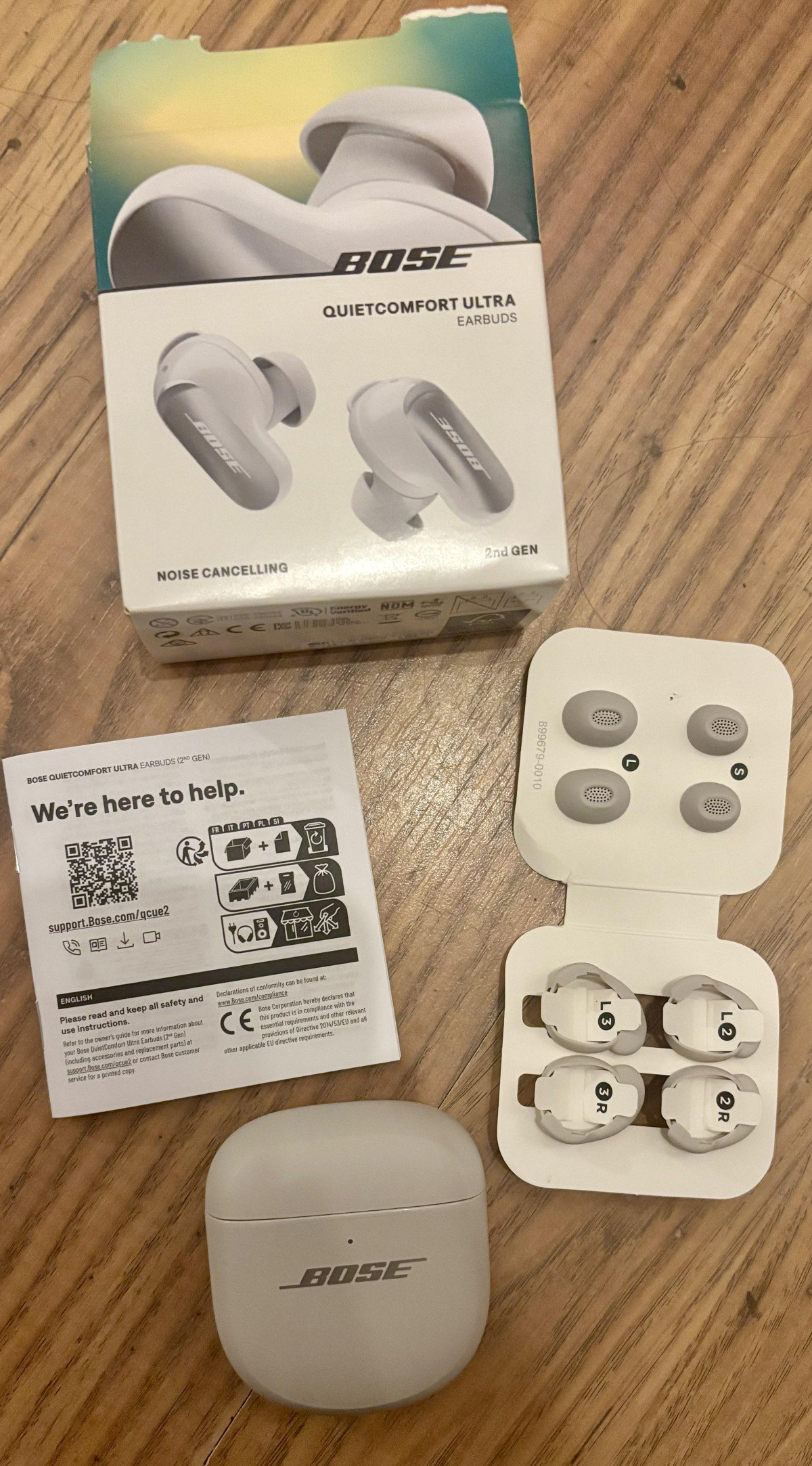
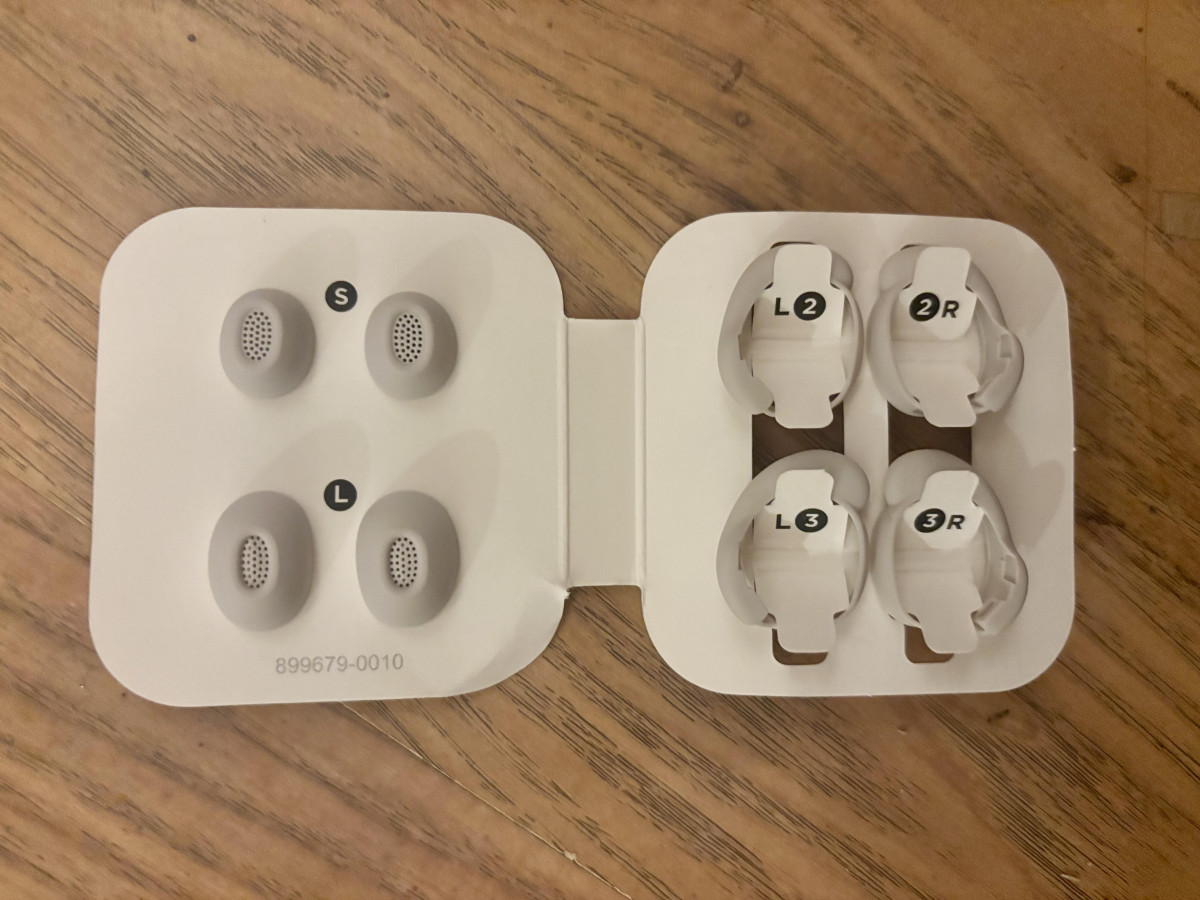
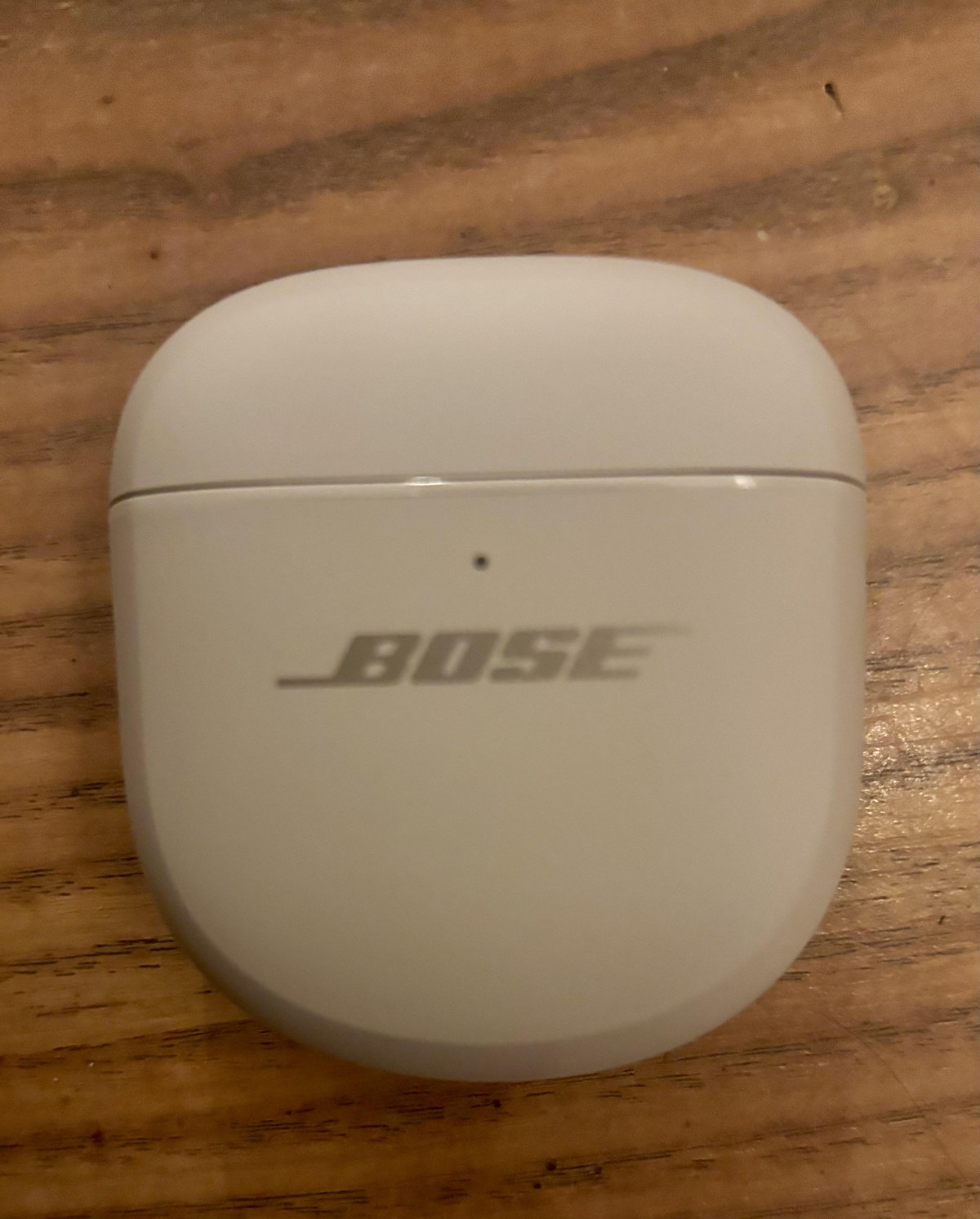
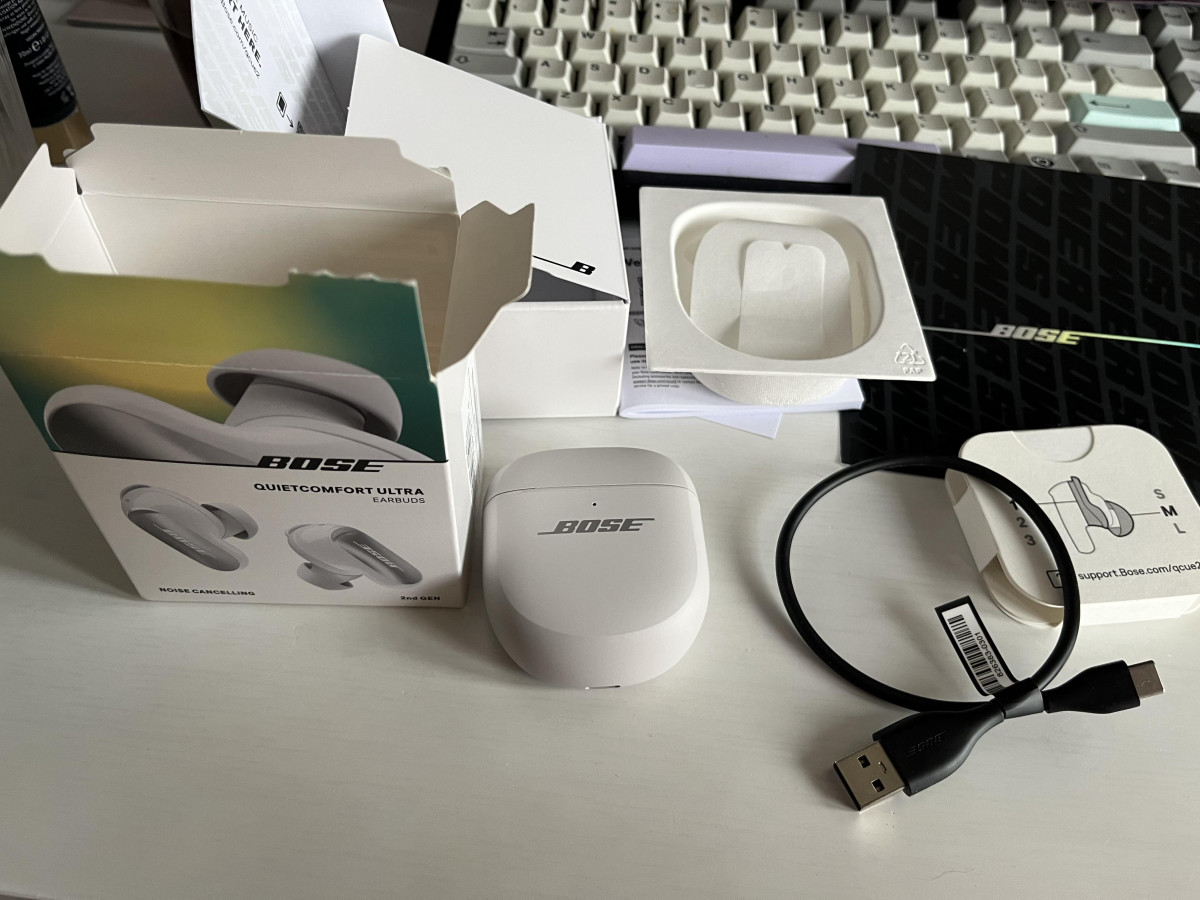
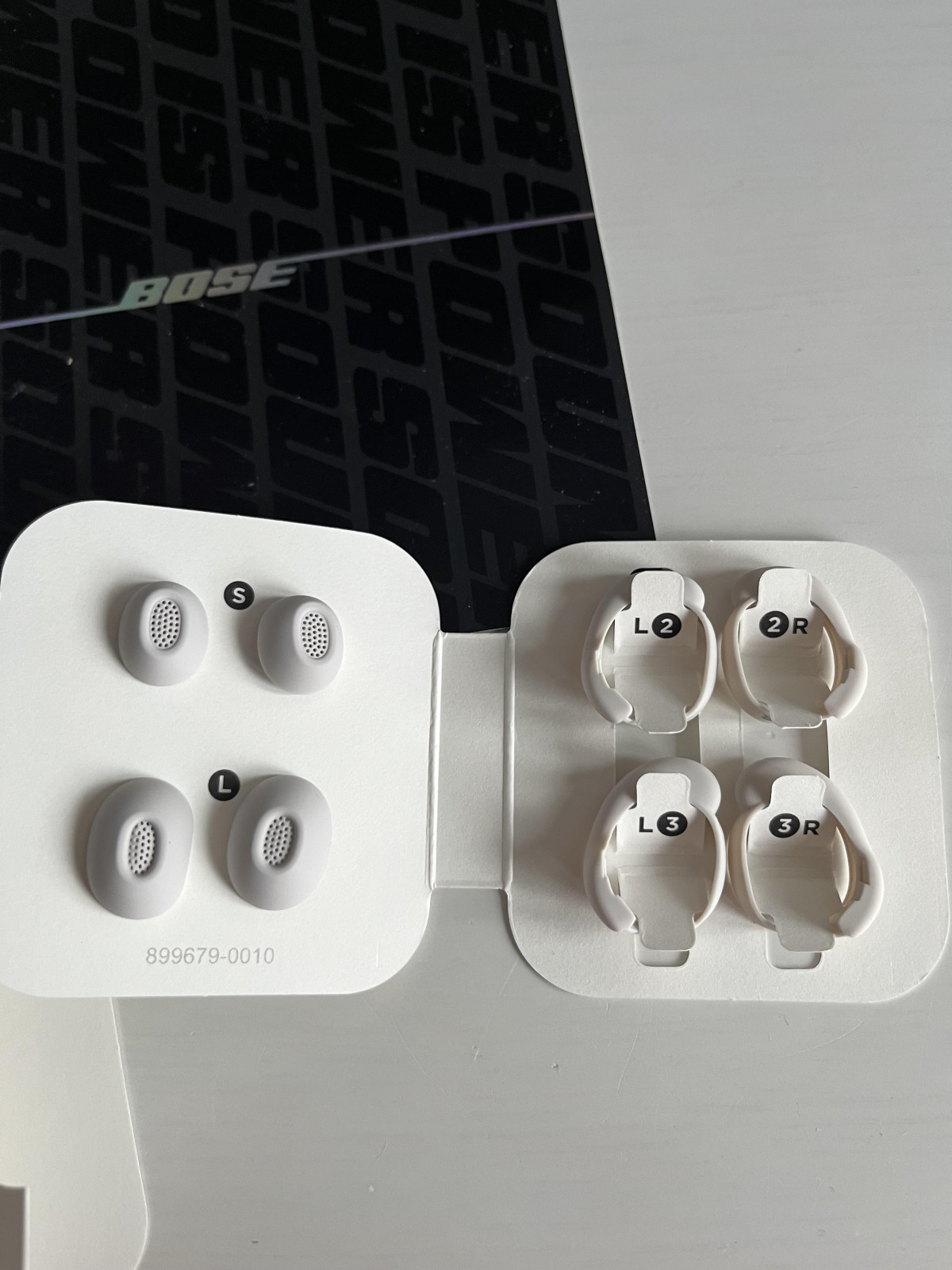
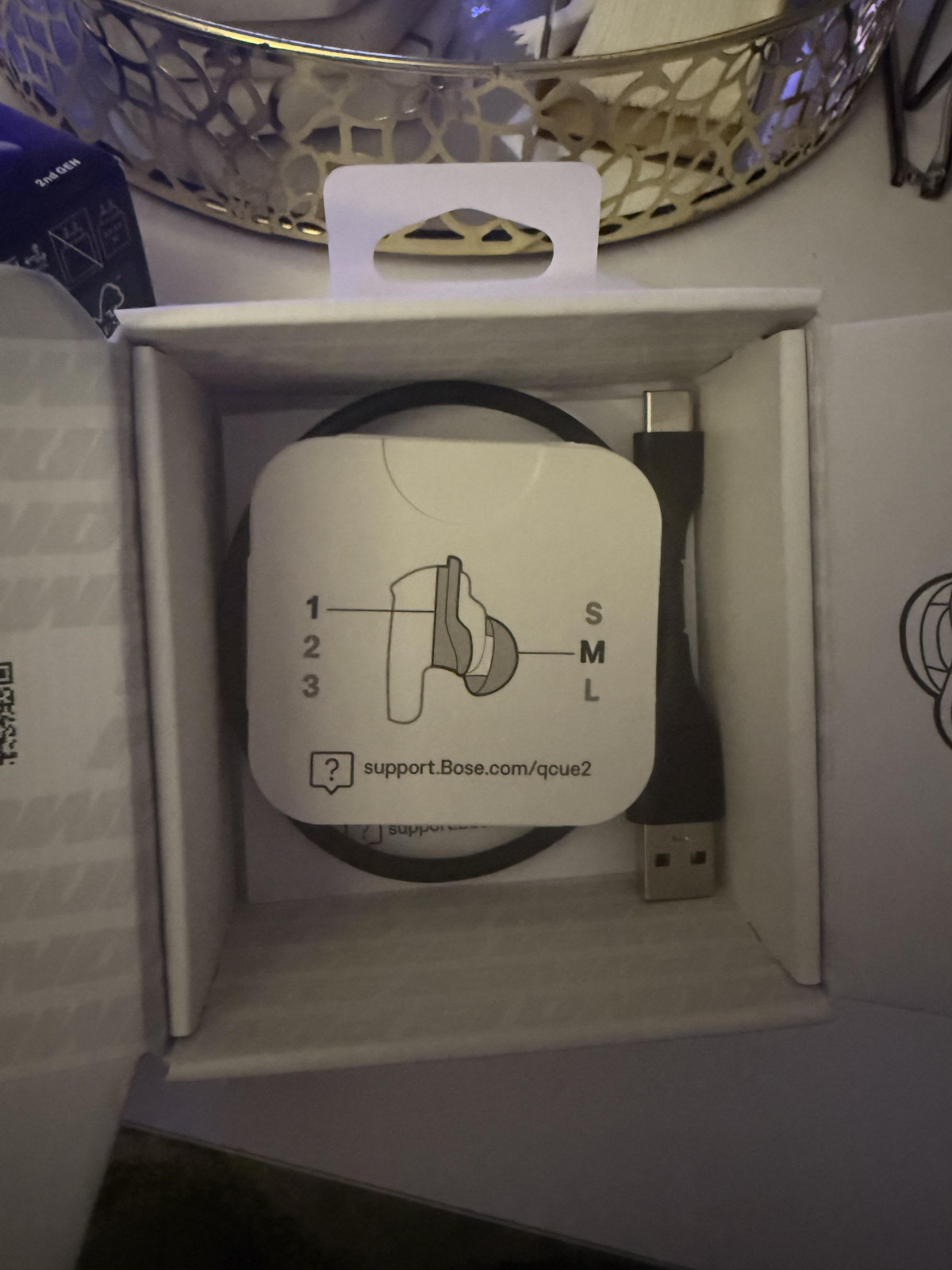
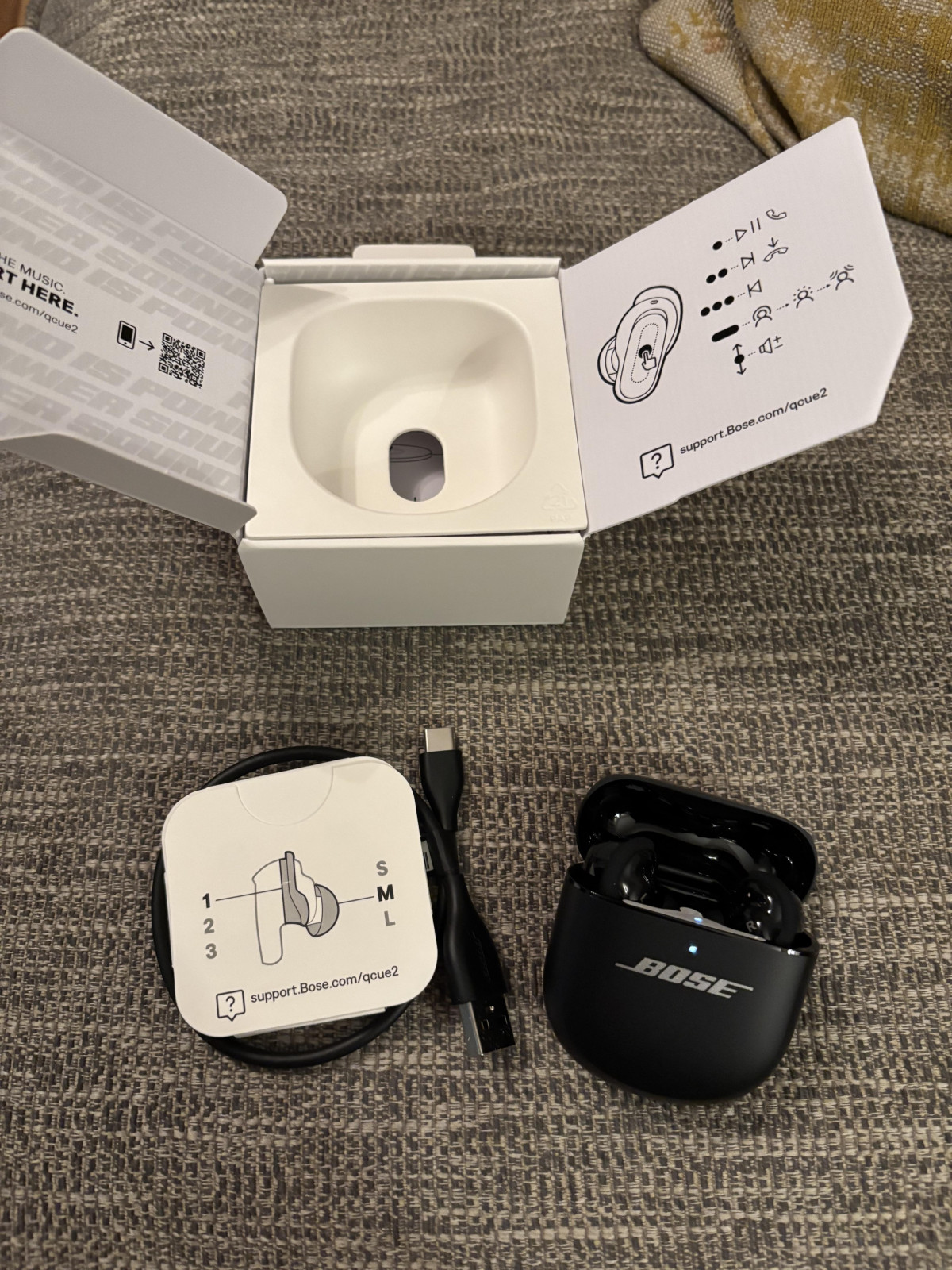
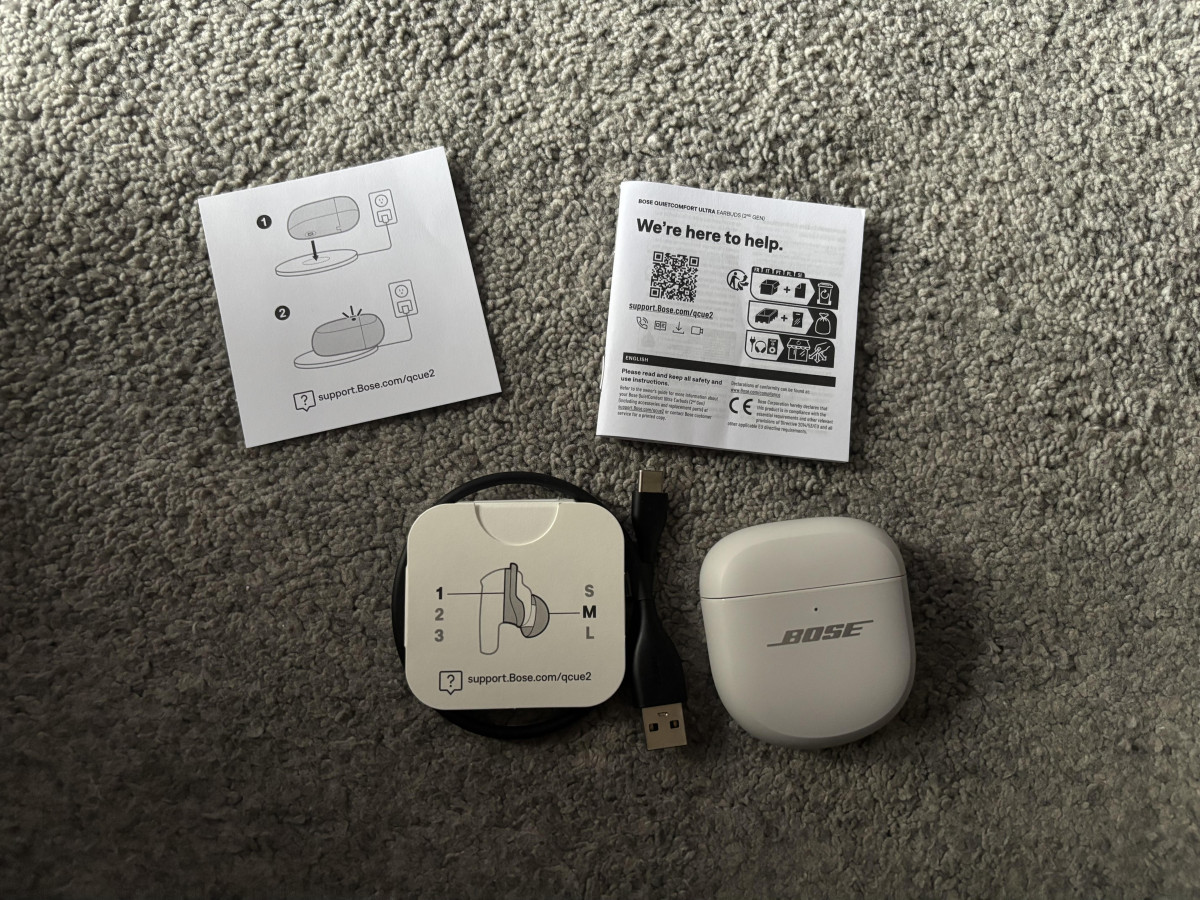
The included fit kit is where Bose lets you dial in that seal. You get three sizes of silicone ear tips and three sizes of stability bands (the small fins that brace against the inner ridge of your ear), so most ear shapes should land on a combination that locks the buds in place without pressure points. A new rubberised guard around each tip is a small but genuinely useful addition for this generation — it's designed to stop ear wax from working its way into the mesh over time, which has historically been a slow-motion killer of in-ear sound quality on any earbud you wear daily. Reviewers who've spent extended time with these buds describe the fit as more secure and comfortable than several high-profile rivals, including Apple's and Sony's flagship earbuds, largely thanks to how well the wing tips anchor without needing constant readjustment.
Durability-wise, these are rated for resistance to light rain and sweat, meaning a downpour during your commute or a hard gym session won't put them at risk — though they're not built for swimming or submersion, so pool laps and open water are off the table.
CustomTune and ActiveSense: Sound That Adapts to You
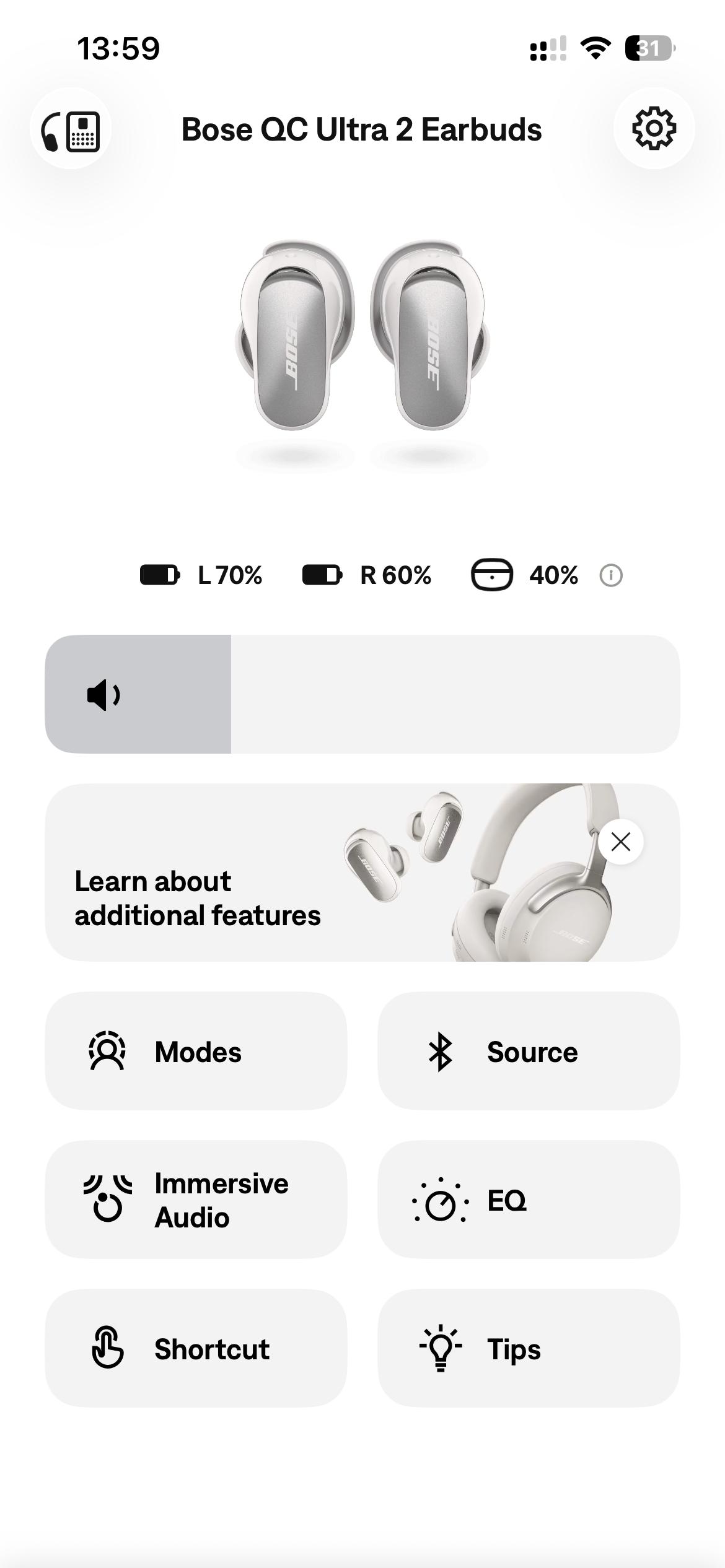
The headline feature carried over from the first generation is CustomTune, a brief calibration process the Bose app runs the first time you set the buds up. It plays a short tone through each earbud and uses the resulting echo to map the unique geometry of your ear canal. That data then shapes two things: how the drivers are tuned for your ears specifically, and how aggressively the noise cancellation circuitry compensates for the acoustic seal you get. In practice, this means two people wearing an identical pair of buds can get subtly different tonal balance and ANC depth, tailored automatically rather than left to a one-size-fits-all EQ curve.
Working alongside CustomTune is ActiveSense, a real-time processing layer that watches for sudden loud noises — a blender starting up, a door slamming, a burst of street noise — and smooths the spike before it jars you. Crucially, this also operates in Aware Mode (Bose's name for the transparency setting that lets ambient sound through), so you're not left choosing between hearing your surroundings and being blindsided by a car horn at full volume. It's a quality-of-life feature that matters more in daily use than it sounds like on paper, particularly for anyone who keeps ambient awareness on while walking or cycling in traffic.
Sound Quality and Everyday Listening
Independent listening tests consistently describe these earbuds as delivering a punchy, full-bodied sound signature — bass-forward without becoming muddy, and with enough clarity up top to keep vocals and instrumentation distinct. That tuning suits genres built around rhythm and low end (hip-hop, electronic, pop) especially well, though it's balanced enough not to embarrass itself on acoustic or classical material either.
Bass control lets you fine-tune the low end directly rather than being locked into Bose's default curve, which is a welcome inclusion for anyone who finds the out-of-the-box tuning either too restrained or too heavy for their taste.
The more distinctive addition here is Immersive Audio, Bose's spatial audio processing mode. Rather than requiring specially mixed spatial content the way some competing systems do, it works on any stereo source, digitally repositioning the sound so it feels like it's originating from in front of you rather than inside your skull. There's also a dedicated Cinema Mode aimed specifically at video content, which balances dialogue, background sound, and effects to mimic a more theatre-like presentation when you're watching something on a phone or tablet. Both are genuinely enjoyable for passive listening and video, though as covered below, they come at a real cost to battery life — worth knowing before you leave them switched on by default.
Noise Cancellation: Still the Benchmark to Beat
Active noise cancellation is the reason most people put a Bose product on their shortlist in the first place, and the second-generation QC Ultra Earbuds build on what was already considered class-leading performance. The improvements here are incremental rather than dramatic — back-to-back comparisons with the original QC Ultra Earbuds reveal a noticeably smoother, more consistent cancellation curve rather than a night-and-day leap, but reviewers who test ANC extensively still rank this among the very best available in an earbud form factor, sitting alongside Apple's latest AirPods Pro as the current benchmark.
That performance is helped by the CustomTune calibration described above: because the system knows exactly how sound behaves inside your specific ear canal, it can cancel more precisely rather than applying a generic profile. For blocking out low-frequency drones — aircraft cabin noise, HVAC systems, engine hum — this remains one of the strongest performers on the market. Sudden transient noises are handled by ActiveSense rather than the core ANC engine, which is why the two work best as a pair rather than in isolation.
Battery Life and Charging: The One Area Where Rivals Catch Up
This is the category where the QC Ultra Earbuds (2nd Gen) stop leading the pack and start looking merely competitive. With noise cancellation active and Immersive Audio switched off, expect around 6 hours of continuous playback per charge — independent lab testing puts the real-world figure slightly lower, closer to 5 and a half hours, which is a normal and modest shortfall from the advertised number rather than a red flag. Switch Immersive Audio on, and that figure drops to roughly 4 hours, a meaningful hit if spatial audio is a feature you plan to use often.
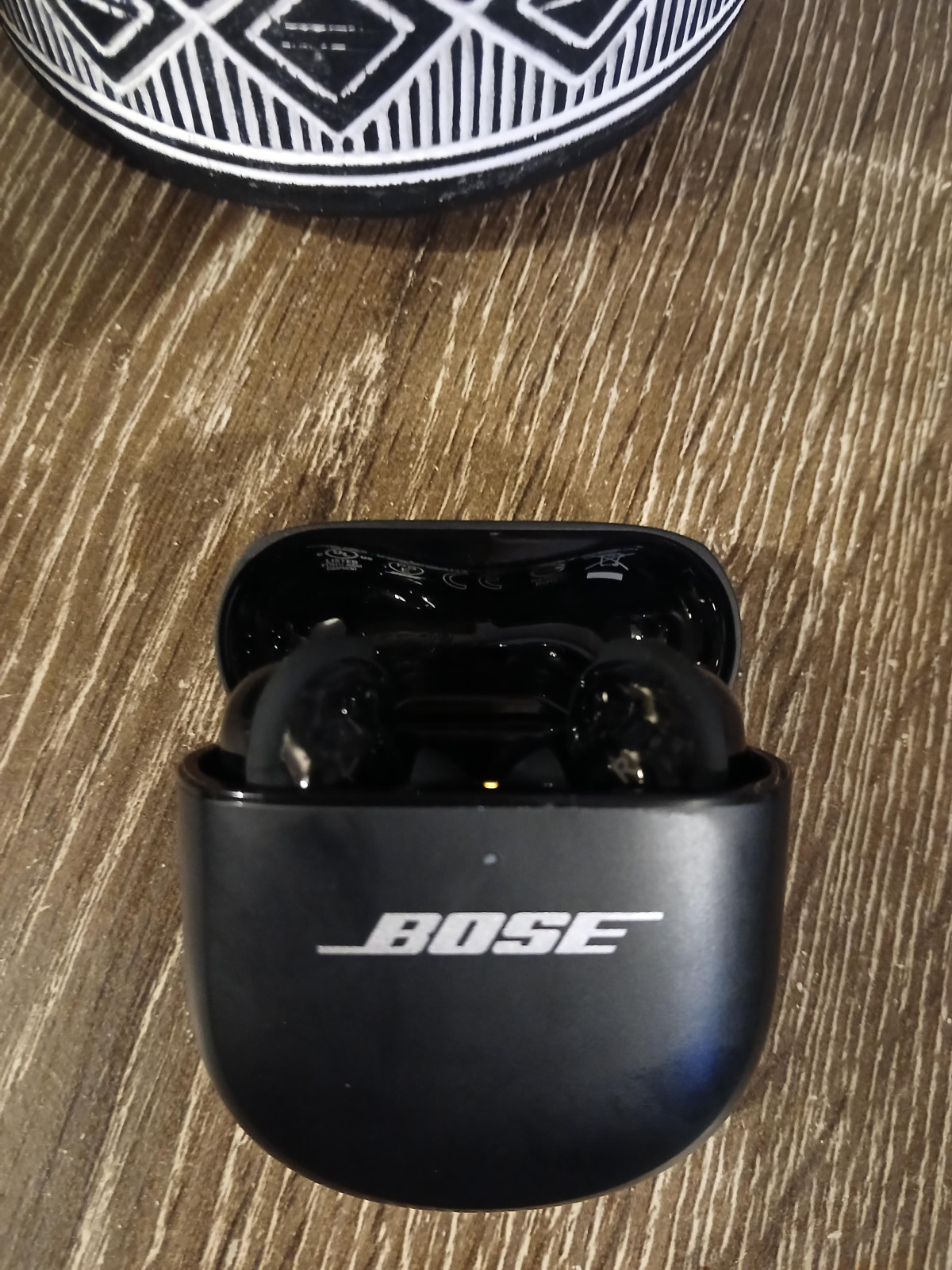
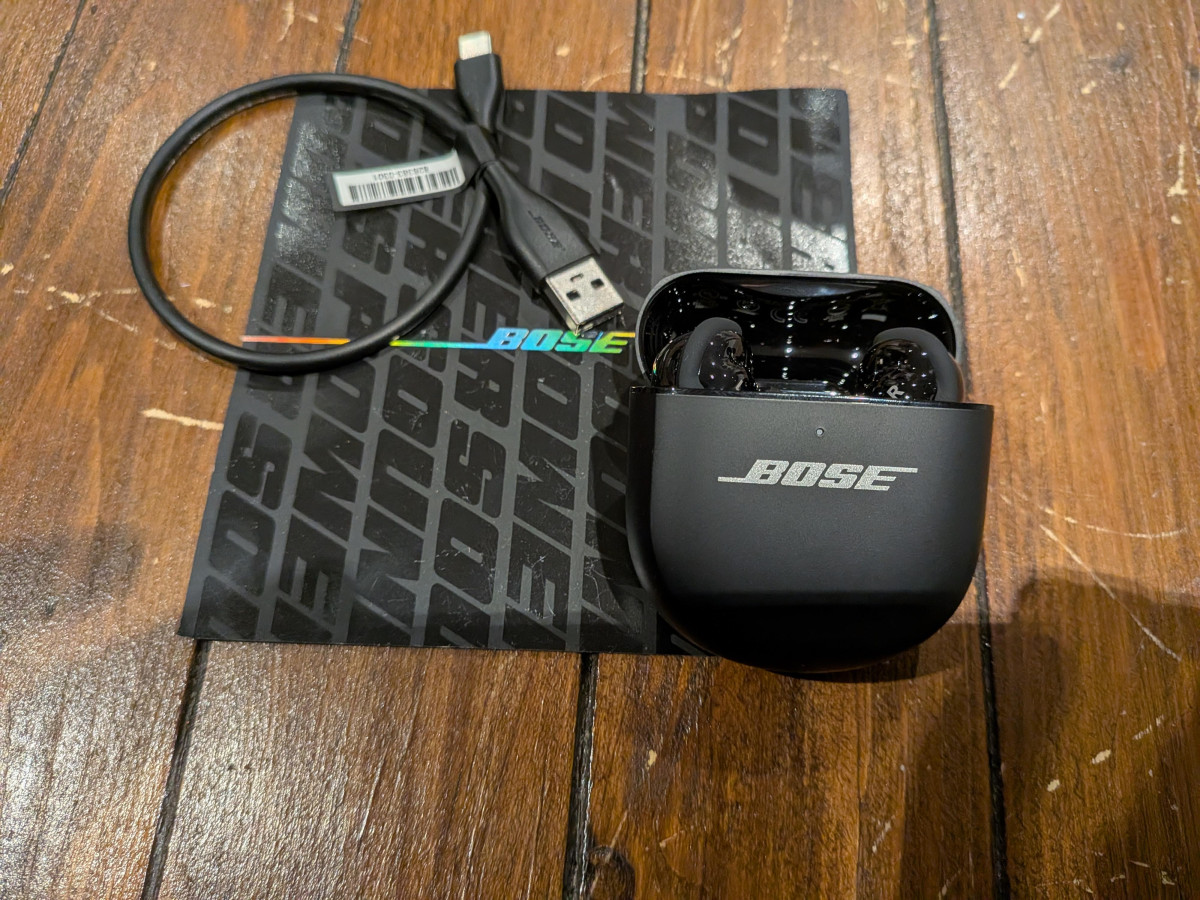
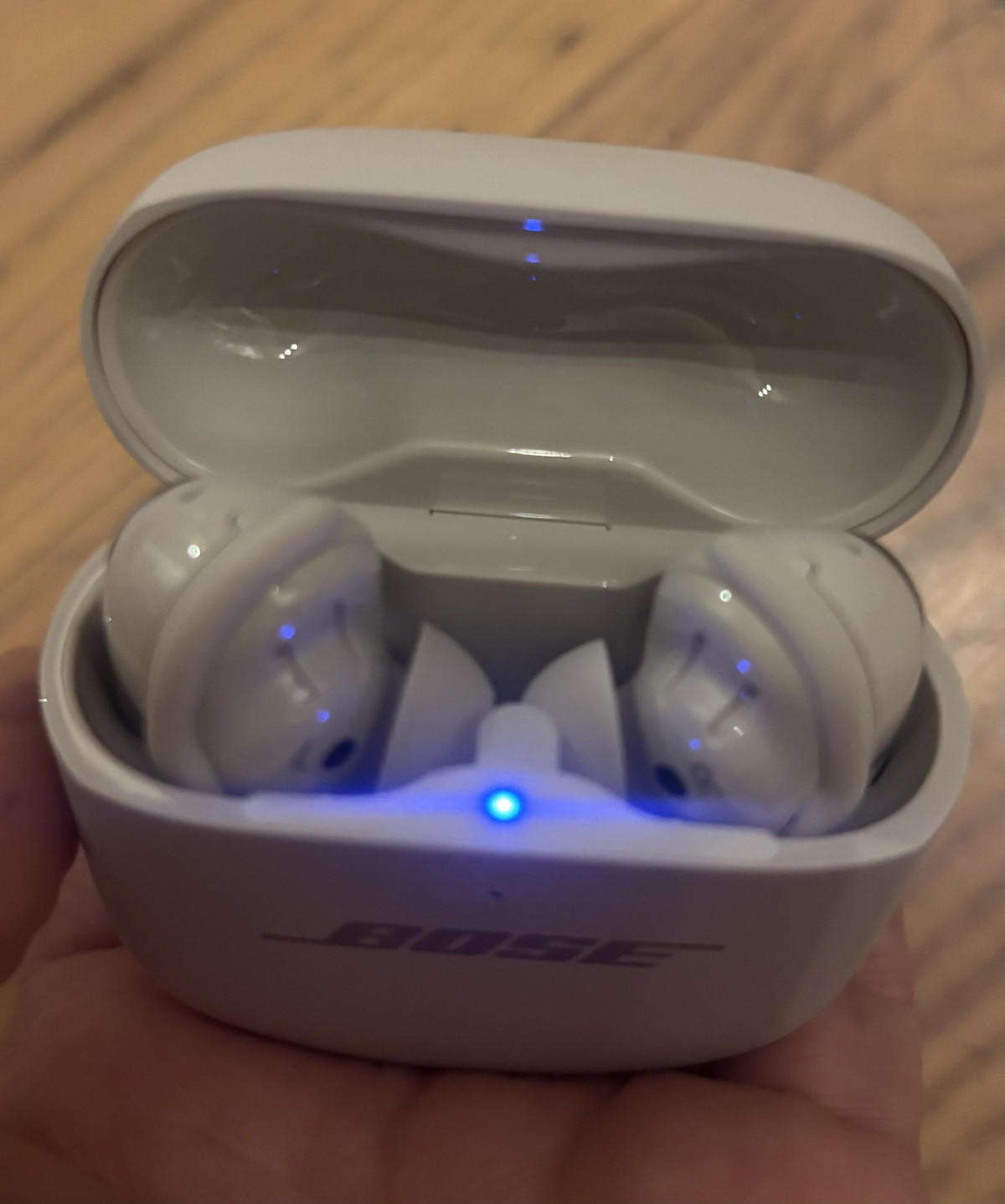
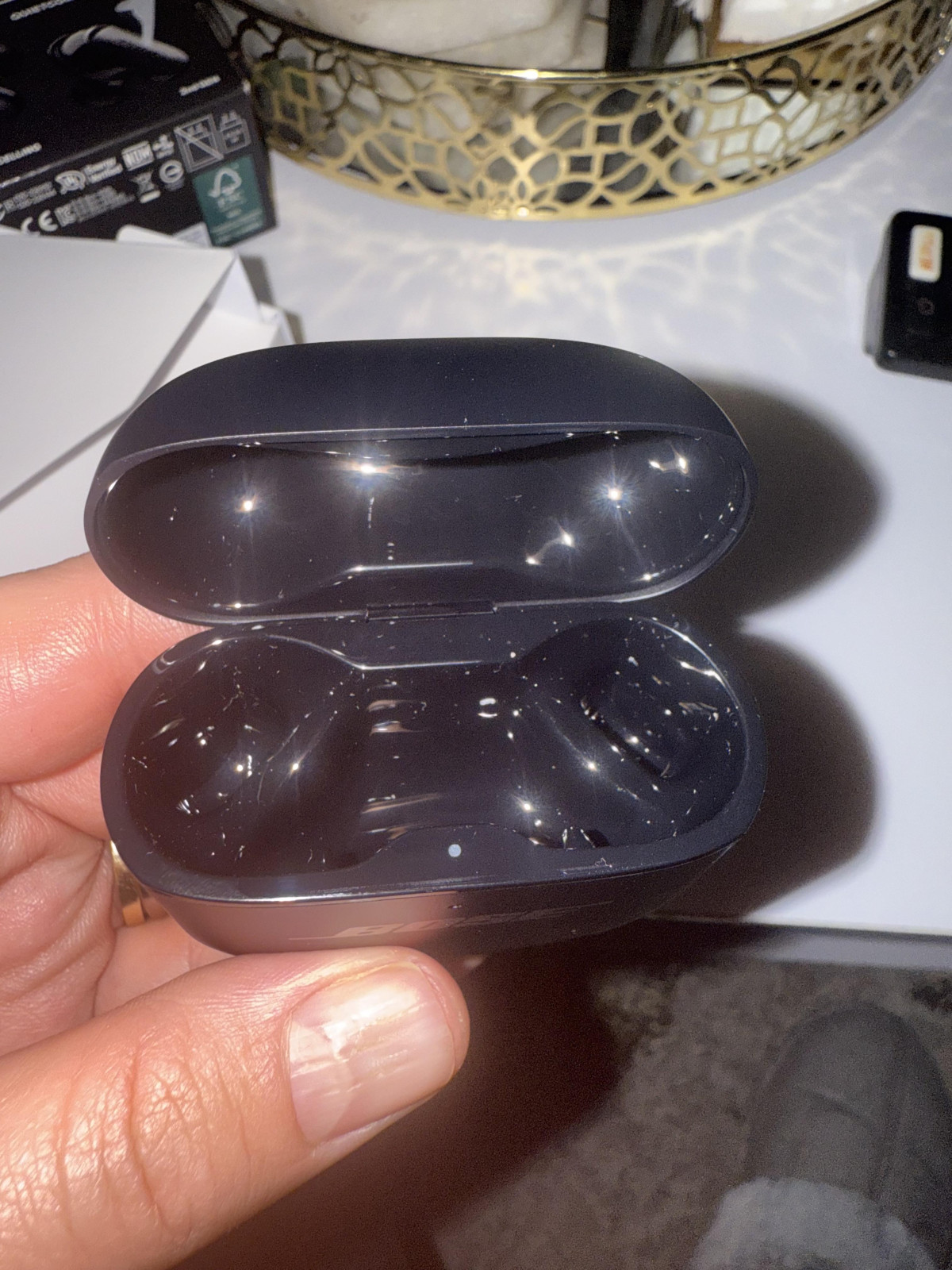
The wireless charging case adds three additional full charges on top of that, bringing total listening time to around 24 hours before you need to find a wall outlet — a genuine improvement over the first generation, which lacked wireless charging entirely. A full charge of the earbuds themselves from the case takes about 2 hours, and the case takes roughly 3 hours to charge fully via its USB-C port. When you're caught short, a 20-minute top-up in the case delivers about 2 hours of playback, which is enough to salvage a commute or a workout even if you forgot to charge overnight.
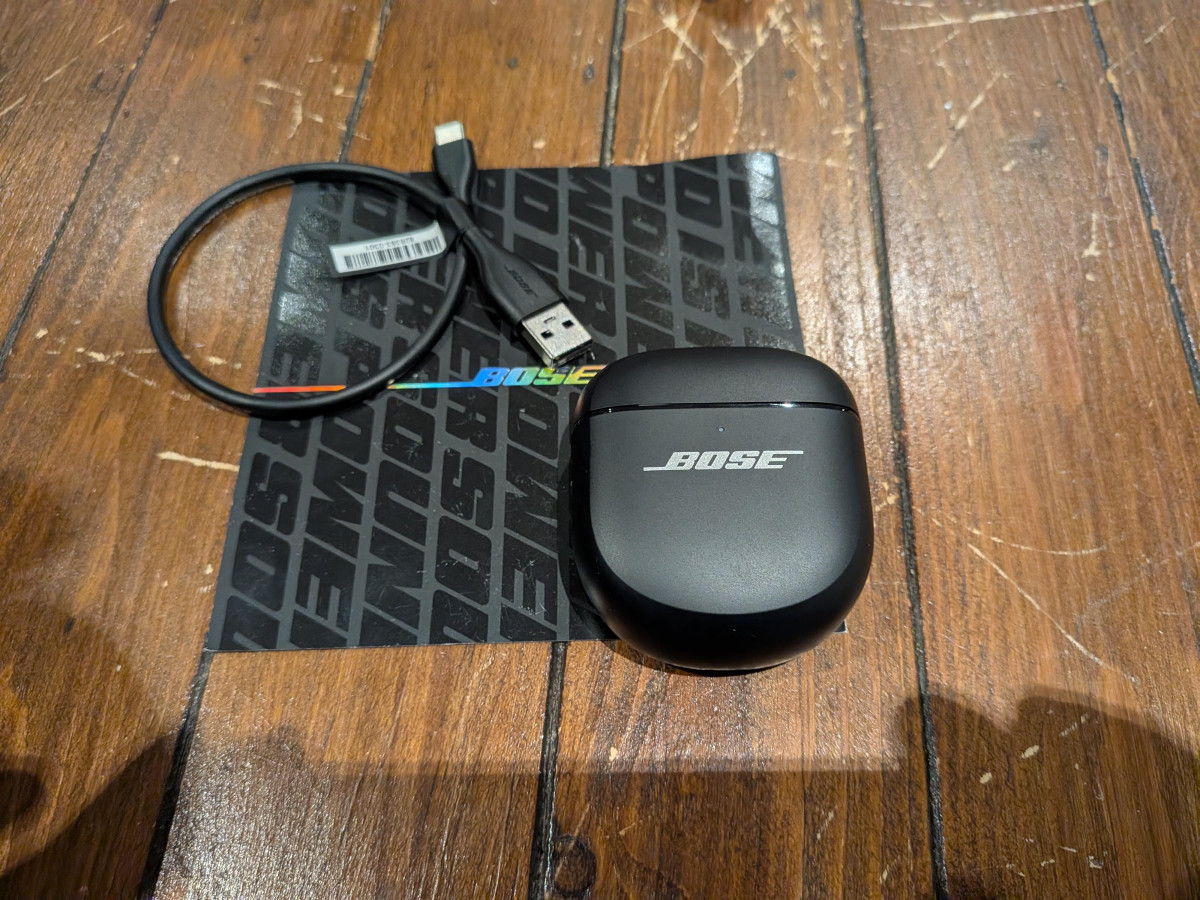
One detail worth flagging for buyers: this earbud does not support USB Power Delivery (PD) fast charging, and Bose specifies a charger with an output between 2.5W and 3.5W — anything above that range won't charge any faster and could be a mismatch with some higher-wattage PD-only chargers. No charging adaptor is included in the box, so you'll need a compatible USB-A or low-wattage USB-C wall plug on hand, or rely on a Qi wireless charging pad instead.
Here's how that battery performance stacks up against the competition:
| Model | Earbud Playtime (ANC on) | Total with Case | Wireless Charging |
|---|---|---|---|
| Bose QC Ultra Earbuds (2nd Gen) | ~6 hours | ~24 hours | Yes |
| Bose QuietComfort Earbuds (2024) | ~8.5 hours | ~29.5 hours | Yes |
| Sony WF-1000XM5 | ~8–9 hours | ~24 hours | Yes |
| Apple AirPods Pro 2/3 | ~6–8+ hours | ~24–30 hours | Yes |
| Sennheiser Momentum True Wireless 4 | ~7–8 hours | ~30 hours | Yes |
The takeaway: if all-day battery life without a case top-up is your top priority, several rivals — including Bose's own cheaper QuietComfort Earbuds — will outlast this model. What you're trading that runtime for is the more advanced CustomTune-driven sound and noise cancellation.
Connectivity and Call Quality
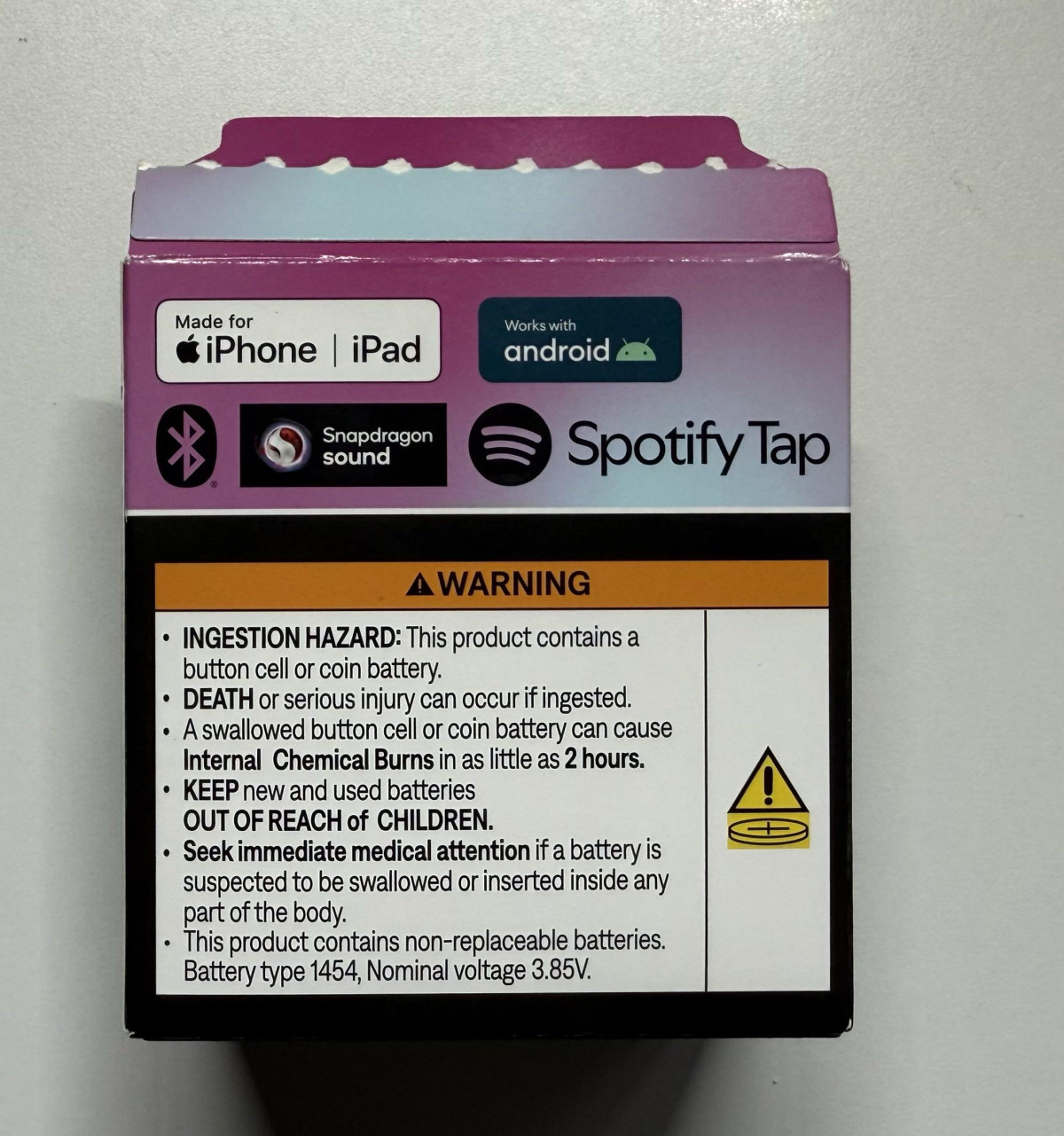
Bluetooth 5.3 handles the wireless connection, with a stable range rated up to roughly 9 metres (about 30 feet) from your source device — comfortably enough to leave your phone on a desk while you move around a room. Multipoint connectivity lets you keep two devices, like a laptop and a phone, paired simultaneously and switch audio between them without manually reconnecting, a feature that matters far more in daily use than it might seem on a spec sheet, especially for anyone alternating between work calls and personal music through the day.
Call performance has been specifically improved for this generation, and it shows: reviewers highlight noticeably clearer voice pickup and better handling of background noise during calls compared with the outgoing model, putting these among the more dependable earbuds for phone and video calls in noisy environments. Some Argos customer reviews mention occasional connectivity hiccups and, less commonly, a need to have a unit serviced, so while the majority experience is very positive, it's worth being aware that — as with most Bluetooth earbuds — a small number of users report reliability issues.
Who These Earbuds Are For
These are earbuds built for people who treat noise cancellation as a non-negotiable feature, not an afterthought. Frequent flyers, commuters on loud trains or buses, and anyone working in an open-plan office who needs to disappear into focus mode will get the most value here. The secure, wing-tip-assisted fit also makes a strong case for anyone who exercises with their earbuds in — runners and gym-goers who've previously had buds work loose mid-session will likely appreciate the difference immediately.
They also suit anyone who wants tailored sound without manually fiddling with an equaliser for hours — CustomTune does that calibration once, automatically, and the bass control option covers the rest for listeners who want a bit more manual say.
Who Should Look Elsewhere
If all-day battery life without a case top-up is your priority — long-haul travel with limited charging access, or simply a dislike of carrying a case everywhere — the shorter playtime here compared with rivals like the Sony WF-1000XM5 or Sennheiser's Momentum True Wireless 4 is a real limitation worth weighing.
Buyers who prefer a slim, low-profile earbud that disappears visually should also look elsewhere; the chunkier oval shape, while excellent for fit and seal, is noticeably larger than stick-style designs like AirPods. And if outright value is the priority over flagship polish, Bose's own cheaper QuietComfort Earbuds (2024) deliver longer battery life and similar comfort for meaningfully less money, at the cost of the very best noise cancellation and CustomTune's most refined implementation.
How It Compares to the Competition
| Model | Standout Strength | Key Trade-off vs. QC Ultra (2nd Gen) |
|---|---|---|
| Sony WF-1000XM5 | Longer battery life | Slightly less refined ANC in most tests |
| Apple AirPods Pro 2/3 | Deep ecosystem integration, hearing features | Best suited to iPhone users; less bass punch |
| Sennheiser MTW4 | Longer battery, detailed sound | ANC trails Bose's performance |
| Technics EAH-AZ100 | Strong value at a lower price point | Less advanced personalisation than CustomTune |
| Bowers & Wilkins Pi8 | Premium audiophile tuning | Higher price, larger investment |
| Bose QuietComfort Earbuds (2024) | Longer battery, lower price | Noticeably weaker ANC and sound refinement |
Against this field, the QC Ultra Earbuds (2nd Gen) hold their position through noise cancellation and sound personalisation rather than by winning on any single spec sheet number — battery life in particular is where the strongest challenges come from.
Where It Excels and Where It Falls Short
The strengths here are consistent across nearly every independent review: noise cancellation that ranks at or near the top of the earbud category, a sound signature that's punchy and enjoyable without needing much adjustment, a fit that holds up during movement better than most rivals, and call quality that's been meaningfully improved over the previous generation. The addition of wireless charging closes a gap that felt overdue on the first-generation model, and the anti-wax guard on the ear tips is a small design touch that should pay off in longevity that's hard to appreciate until months down the line.
The honest weaknesses are just as clear. Battery life, while perfectly usable for a working day, is no longer a strength relative to the competition — several rivals now offer meaningfully more playtime per charge, and switching on Immersive Audio eats into that runtime further. The earbuds are also physically larger than slimmer competitors, which won't suit every ear or every aesthetic preference. And while three ear tip sizes covers most people, buyers with ears at either extreme of the size spectrum may find the fit range narrower than some competitors offer. None of these are dealbreakers on their own, but together they mean this isn't an earbud that wins on every axis — it wins specifically on the axes Bose has always prioritised.
The Verdict
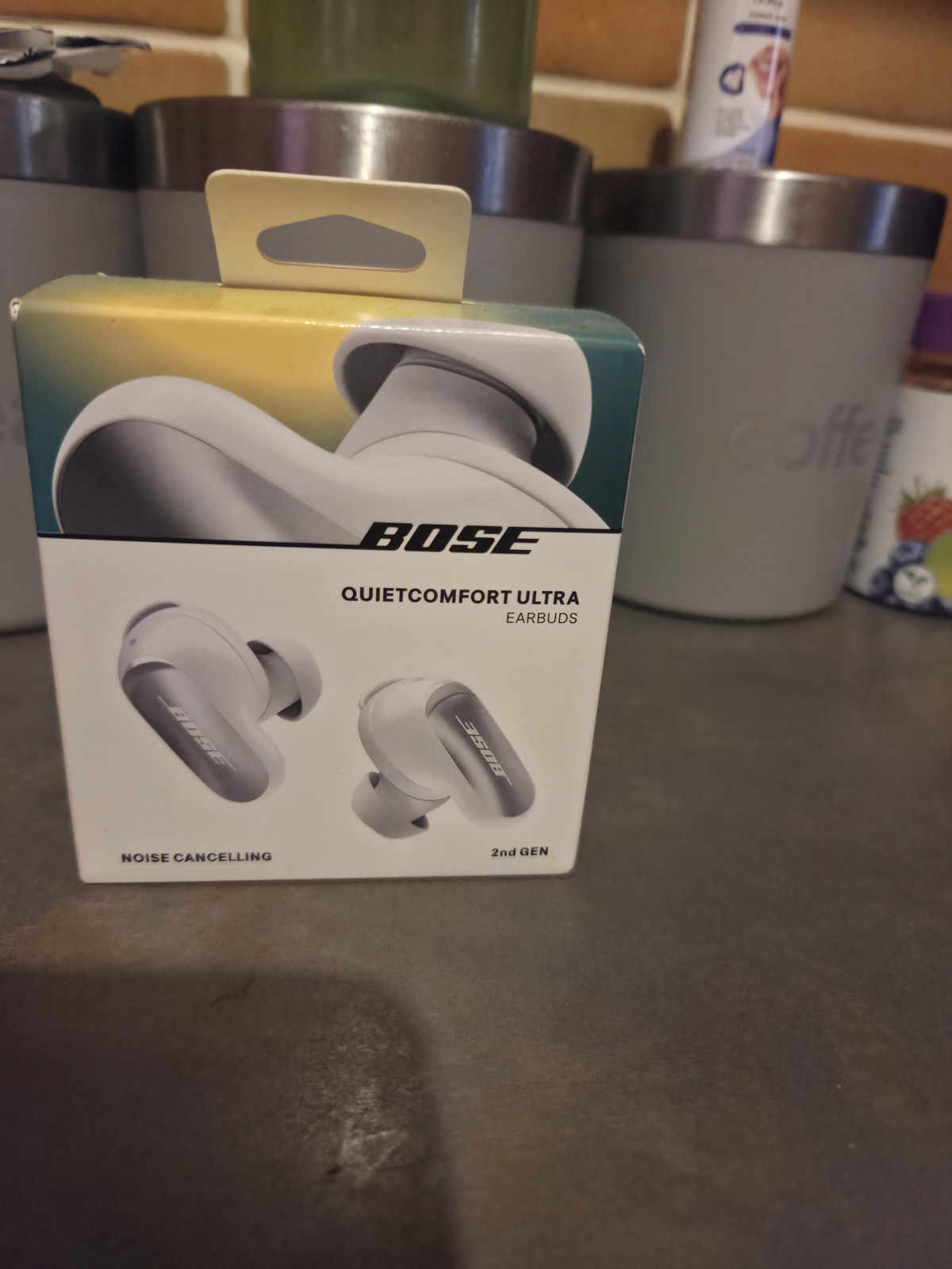
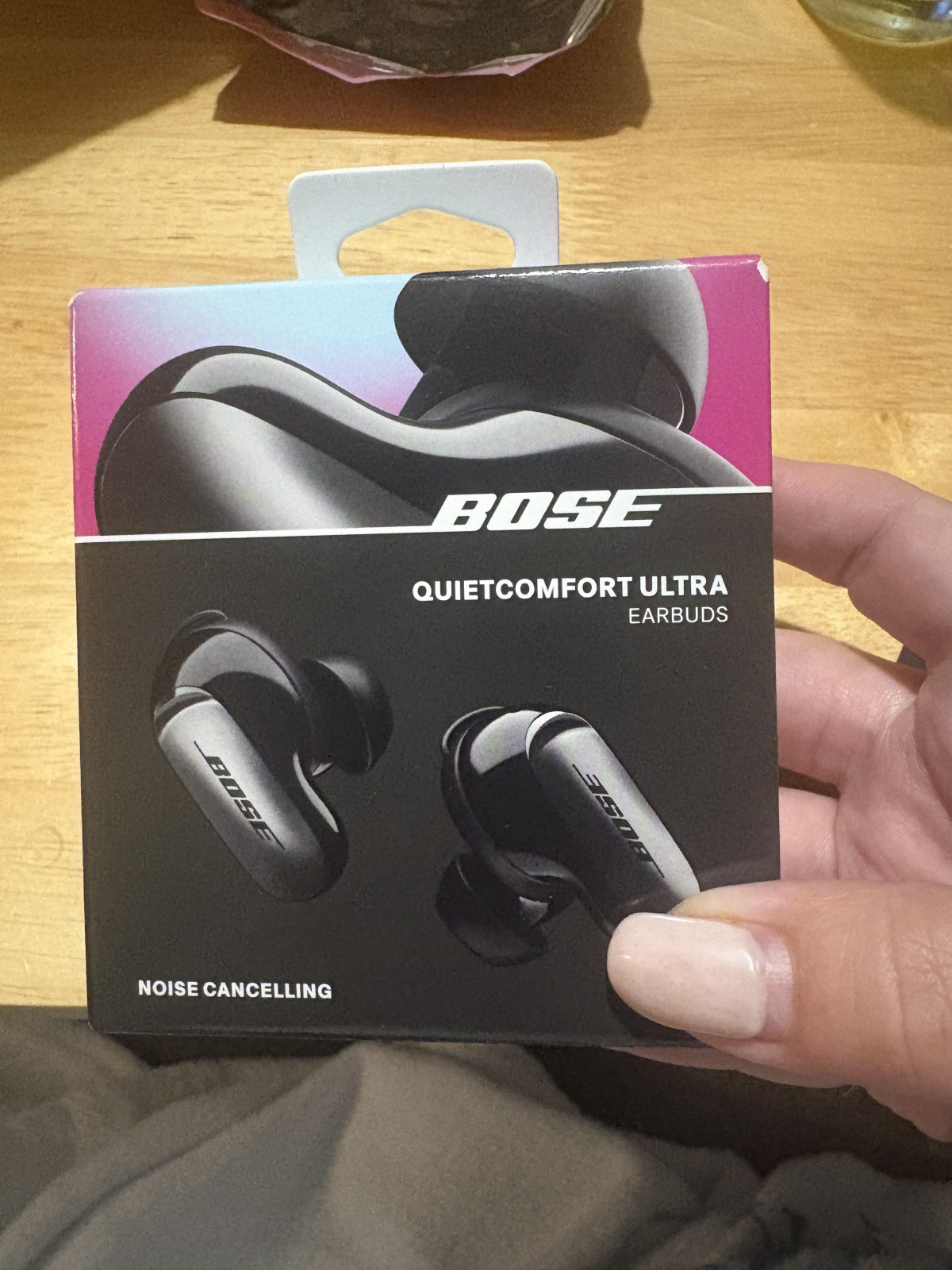
The Bose QuietComfort Ultra Earbuds (2nd Gen) earn their premium price primarily through two things: noise cancellation that remains among the best available in a true wireless earbud, and a personalised sound experience via CustomTune that few competitors match. For commuters, frequent travellers, and anyone who needs to reliably tune out a noisy environment, that combination is difficult to beat, and the secure fit and improved call quality only strengthen the case.
Where the decision gets more nuanced is battery life. If you can live with roughly a working day of playtime and a case that needs recharging every day or two, this remains a genuinely excellent purchase. If all-day runtime without a case top-up is essential to how you use earbuds, it's worth cross-shopping against the Sony WF-1000XM5 or Sennheiser's Momentum True Wireless 4 before committing. For most buyers prioritising sound quality and silence over marathon battery life, though, this is one of the strongest wireless earbuds on the market right now.