Canon EOS 2000D
Canon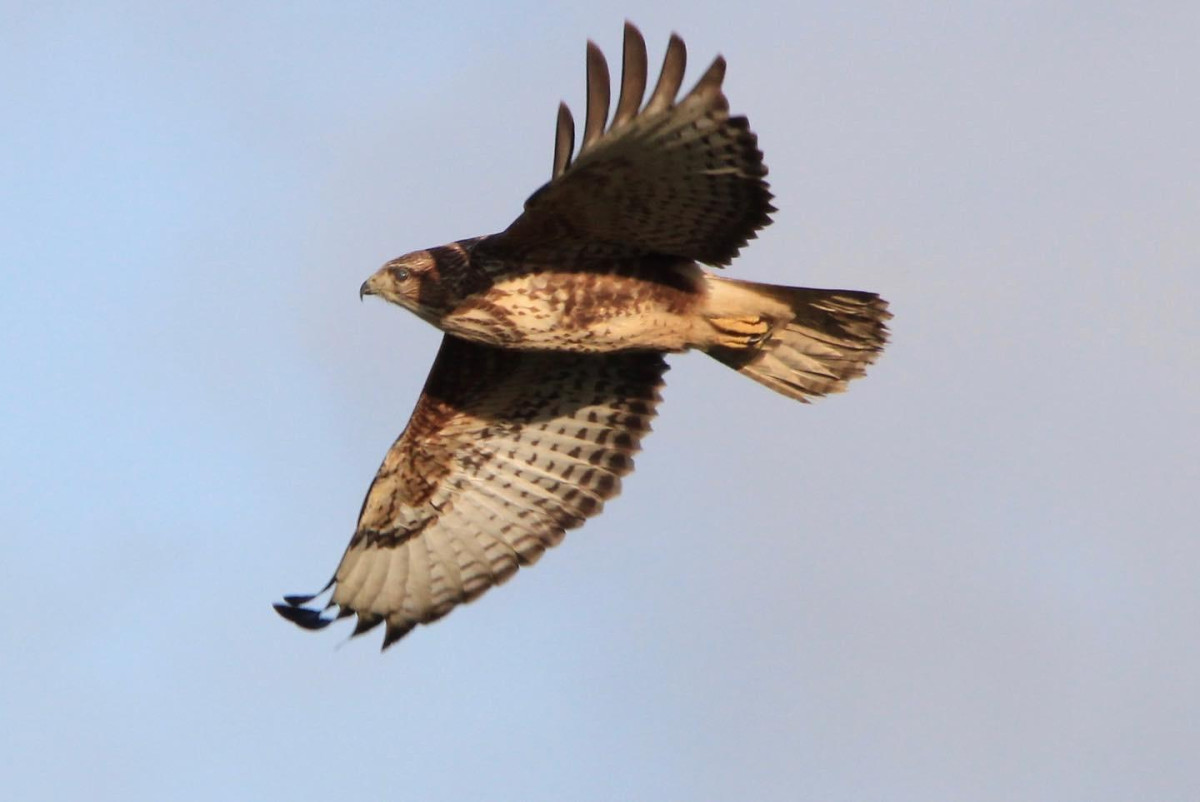

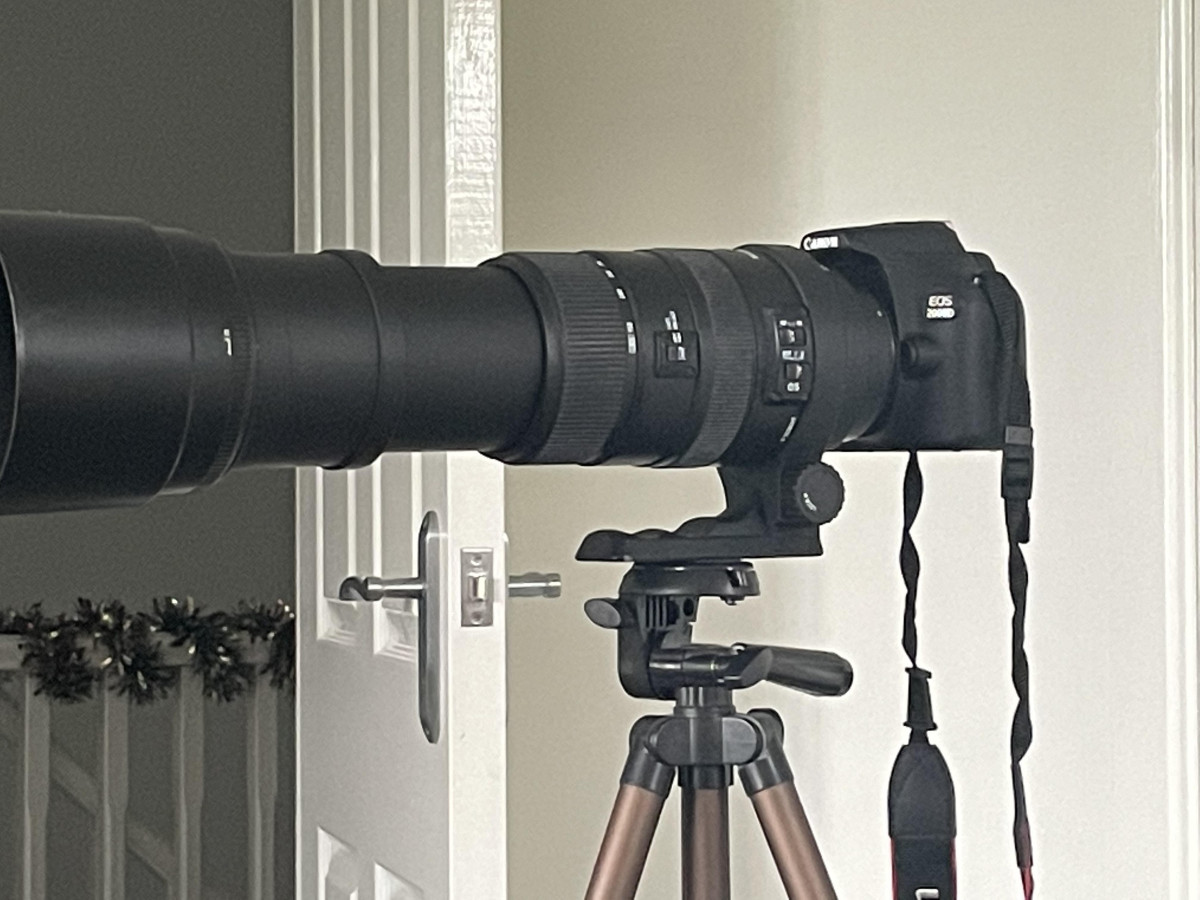
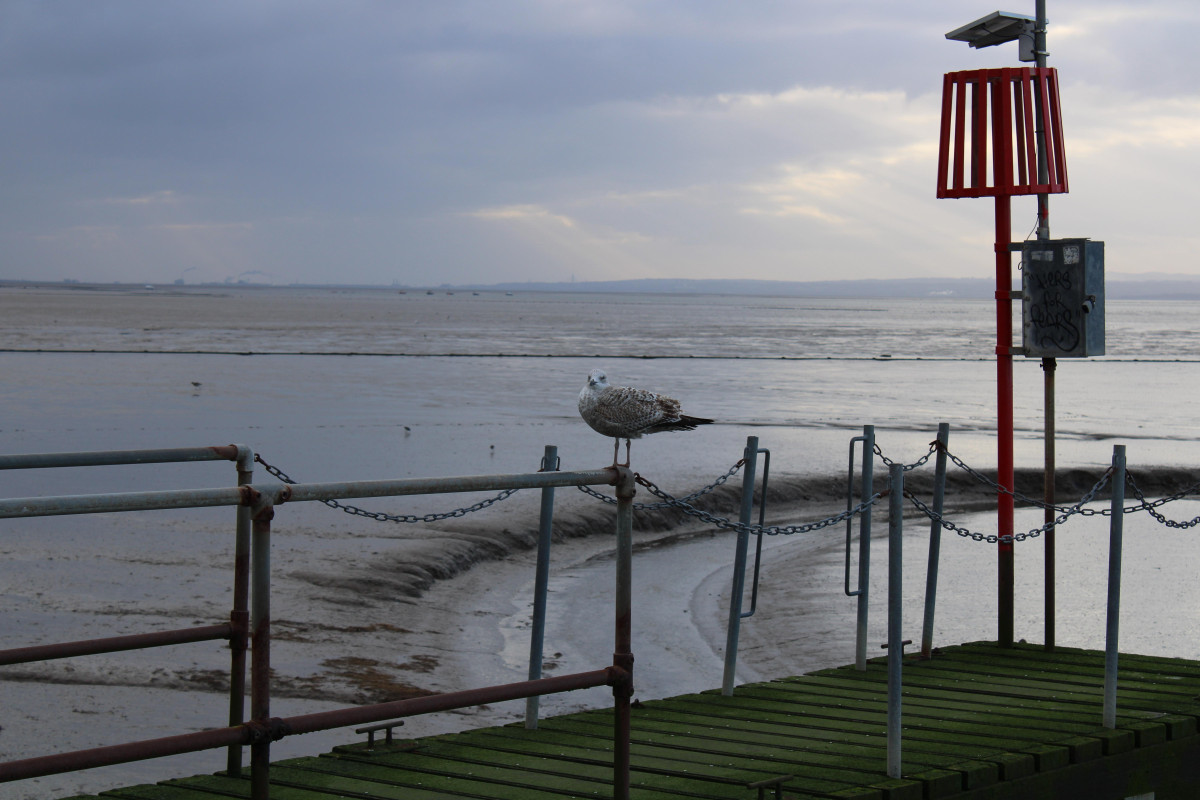

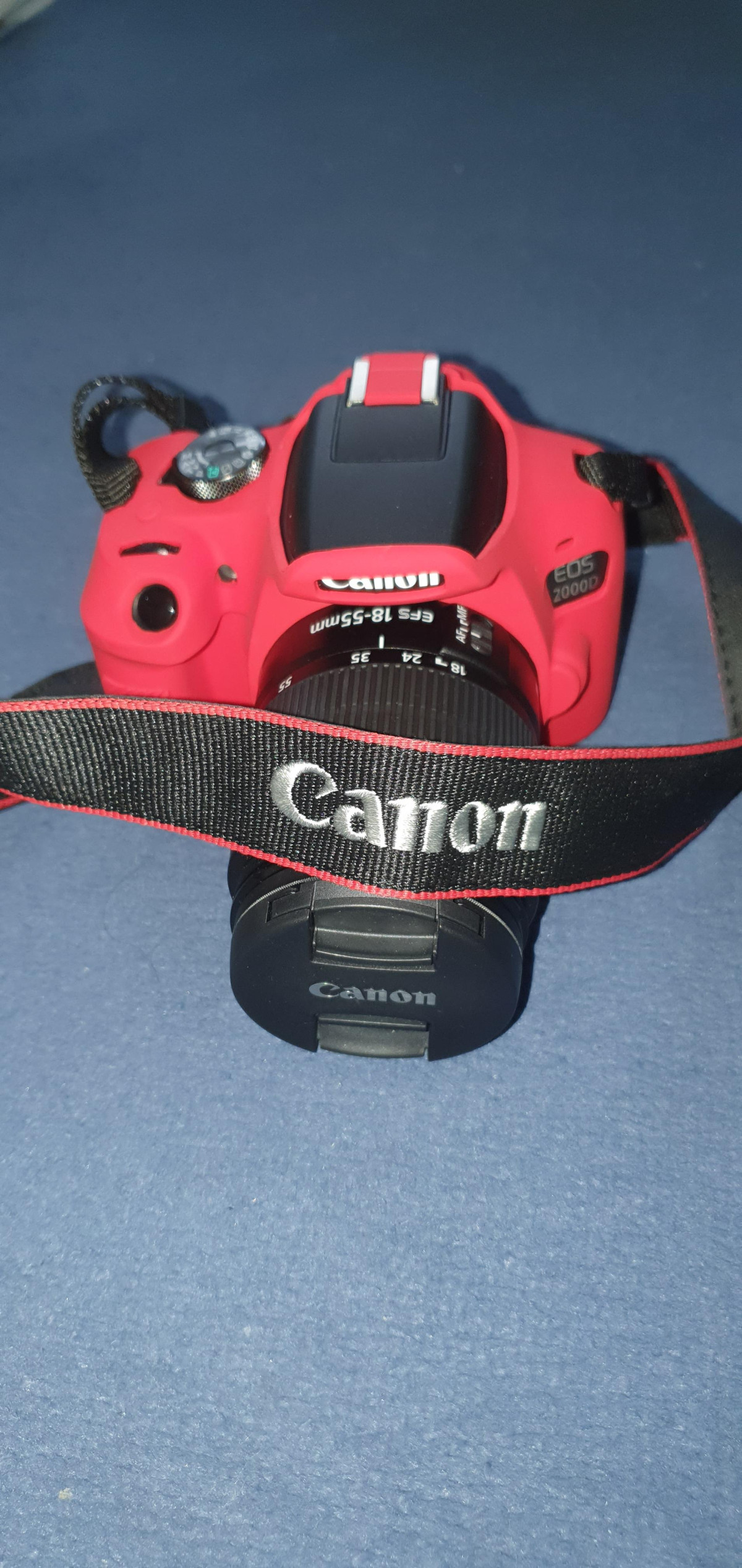
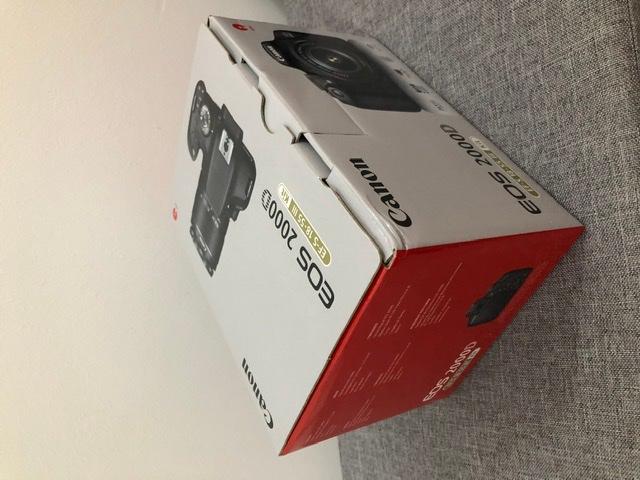
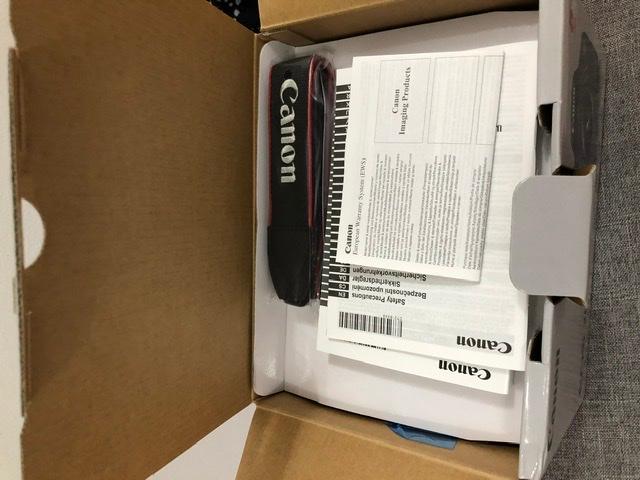
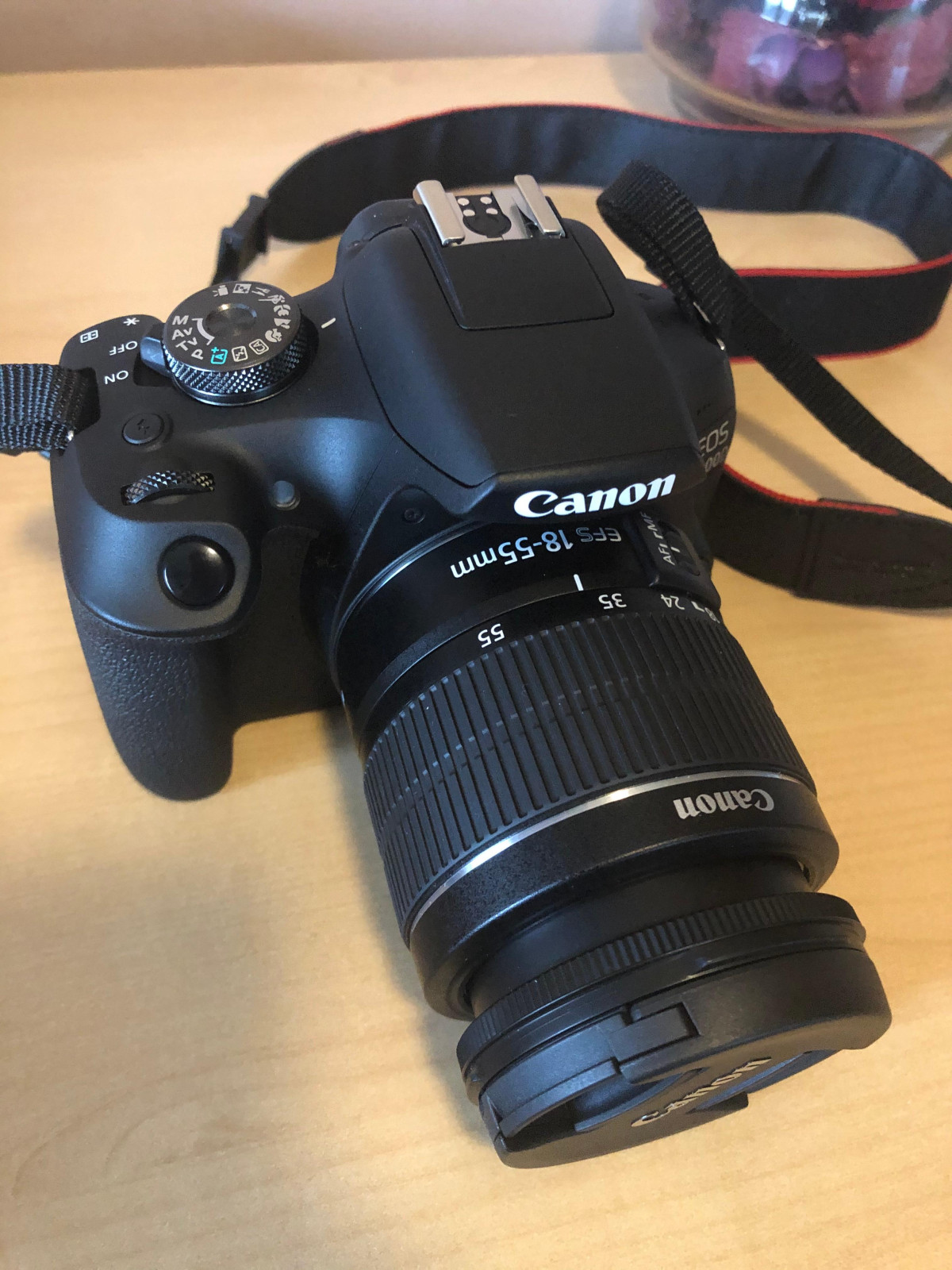
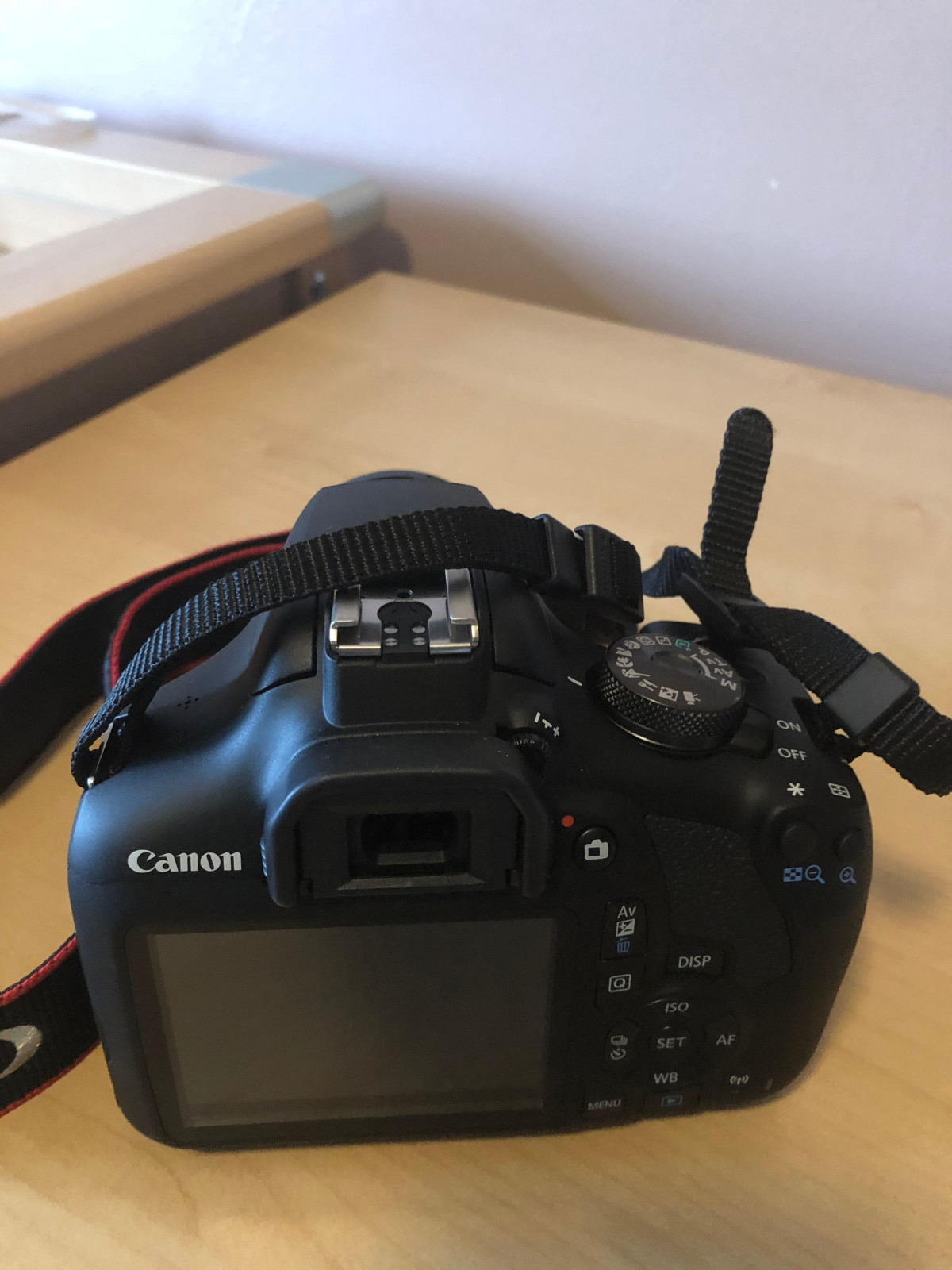
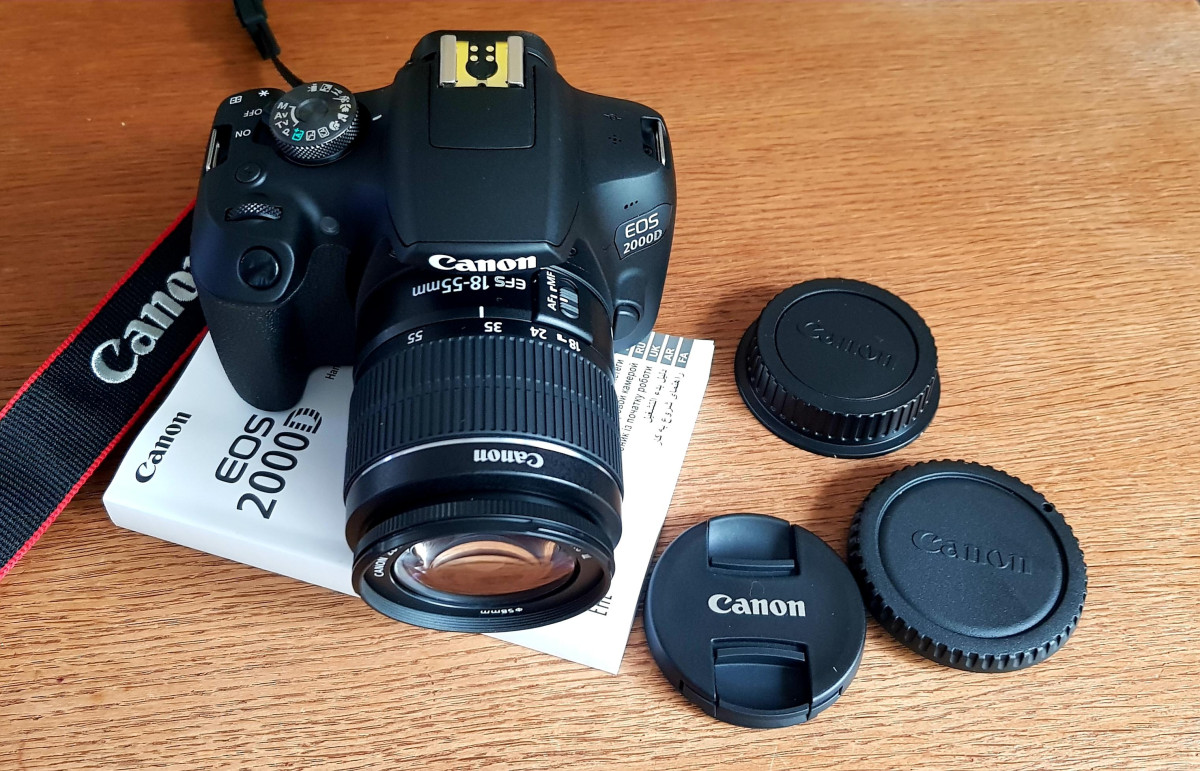
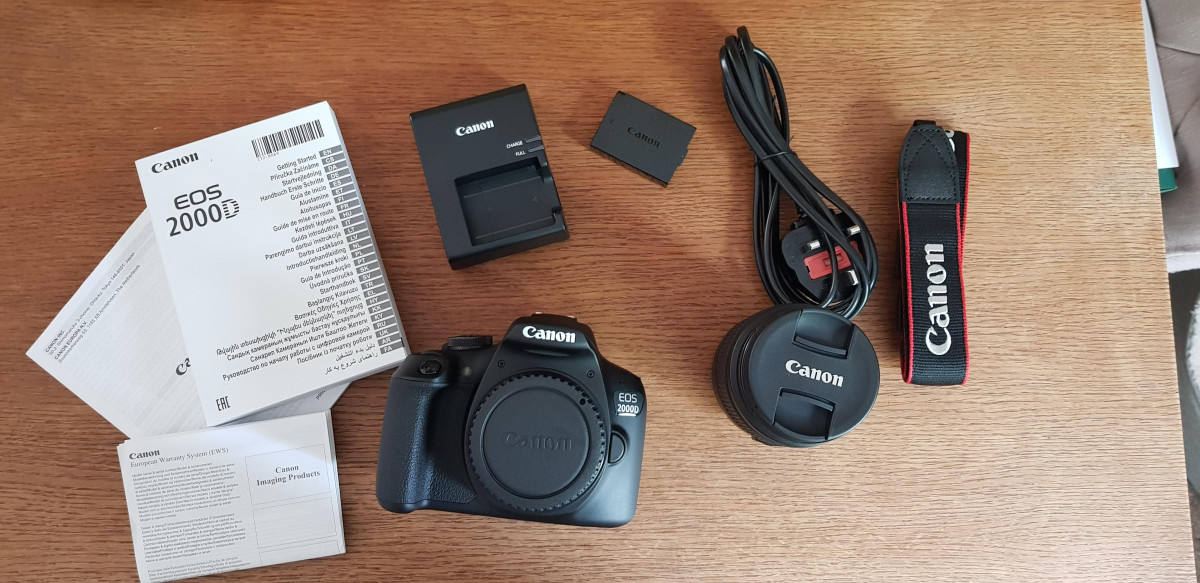
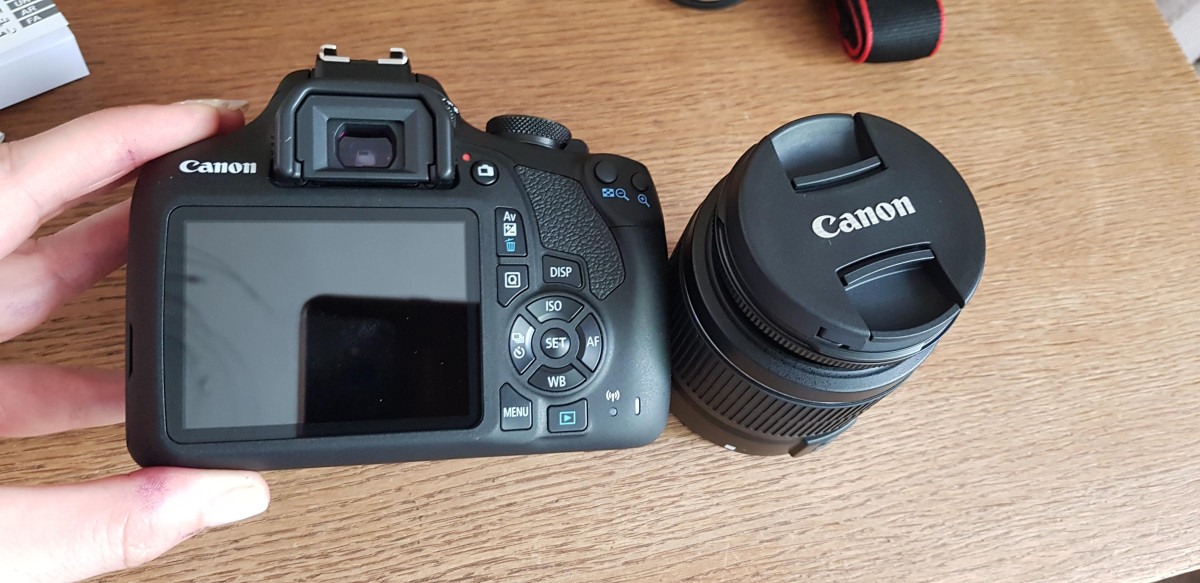
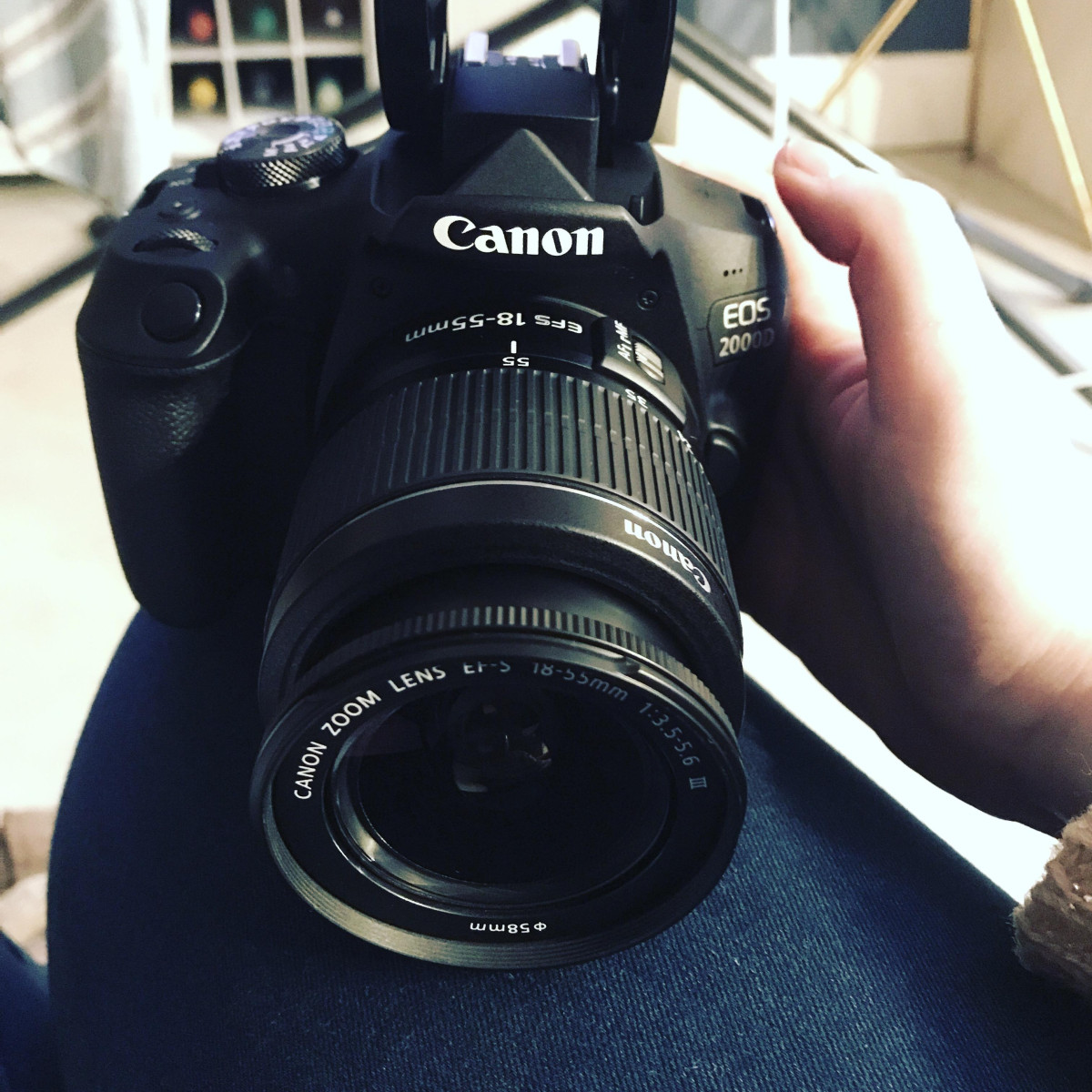
Picking up a DSLR for the first time can feel intimidating — dials, modes, and menus that seem built for people who already know what they're doing. The Canon EOS 2000D was built specifically to close that gap. It pairs a genuinely modern sensor with the kind of automatic shooting modes that let a beginner get sharp, well-exposed photos on day one, while still leaving room to grow into manual controls as confidence builds. Paired here with Canon's 18-55mm kit lens, it's positioned as a complete starter kit rather than a body you'll need to immediately accessorise. The question worth answering before you spend the money is whether "beginner-friendly" comes at the cost of long-term usability — and where exactly this camera sits against both cheaper and pricier alternatives.
Design, Build Quality and Handling
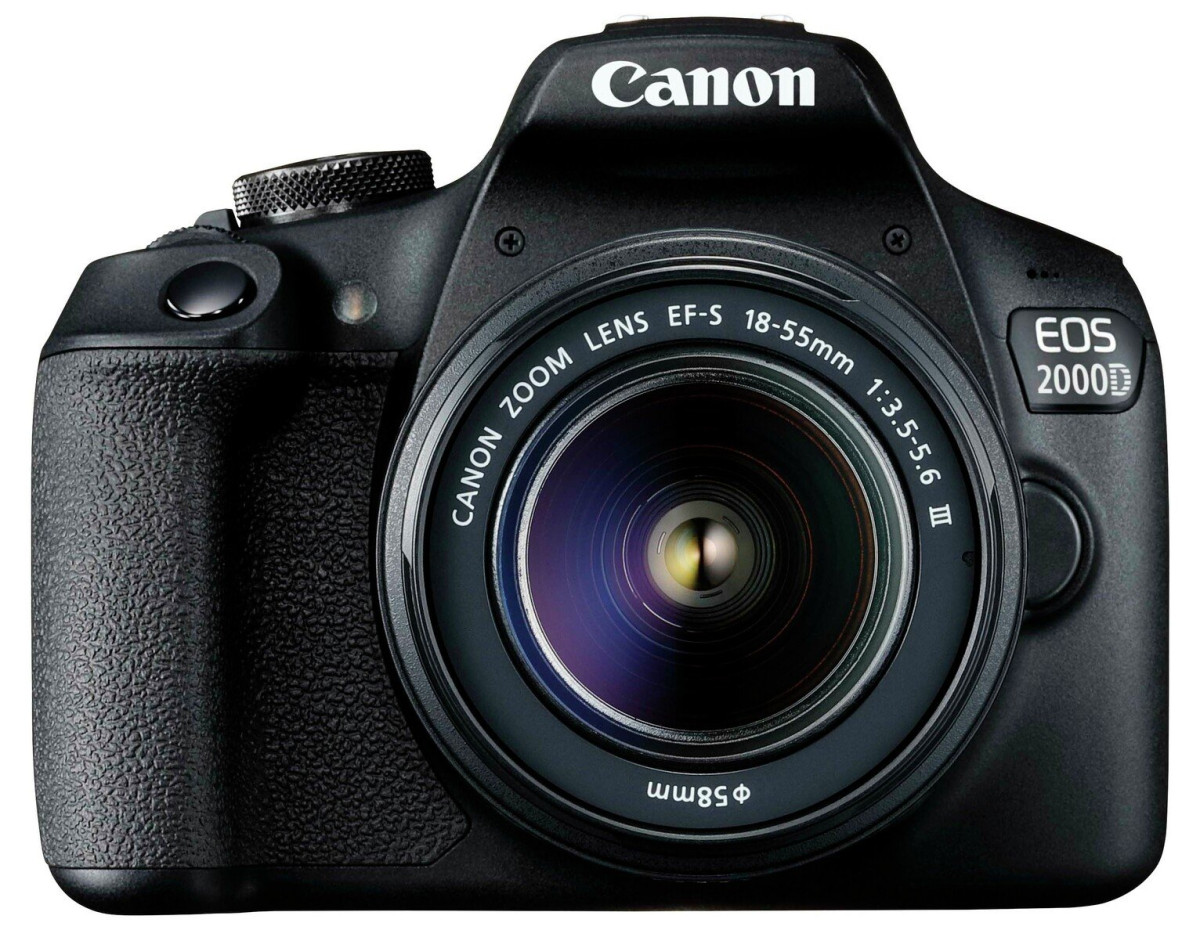
The 2000D uses a polycarbonate (reinforced plastic) shell over an internal chassis, which is standard practice at this price tier and keeps the camera light without feeling flimsy in hand. At 630g with the kit lens attached, it has enough heft to feel substantial without becoming tiring to carry around for a full day of shooting — noticeably lighter than most DSLRs from a decade ago, but still giving you that reassuring DSLR grip that compact cameras and phones can't replicate.
The body dimensions (roughly 11.6cm deep, 8.8cm wide, 5.9cm tall) put it firmly in the compact end of the DSLR spectrum. The handgrip is deep enough for a secure one-handed hold, and the control layout mirrors Canon's long-running entry-level design language — if you've ever picked up any budget Canon DSLR from the last fifteen years, the button placement will feel instantly familiar. One practical quirk worth knowing about: the memory card slot lives inside the battery compartment on the base of the camera, rather than on the side. It's a minor inconvenience if you mount the camera on a tripod with a larger quick-release plate, since you may need to remove the plate to swap cards.
Don't expect any weather sealing here — this is a camera for everyday use in normal conditions, not one you'd want caught in driving rain or thick dust. That's a reasonable trade-off for the price, but it's worth factoring in if you shoot outdoors frequently.
Image Quality: What the Sensor and Processor Actually Deliver
At the heart of the 2000D is a 24.1-megapixel APS-C CMOS sensor — a significant resolution jump over the sensor in Canon's previous entry-level generation. In practical terms, 24.1 megapixels gives you enough detail to crop into a photo significantly and still print it at a reasonable size, or to make large prints of your best full-frame shots without visible softness. For family photos, travel shots, and everyday documentation, this is more resolution than most people will ever fully exploit, which is exactly the point — it gives you headroom rather than forcing you to nail composition perfectly in-camera every time.
The sensor is paired with Canon's DIGIC 4 processor, which handles the image processing pipeline: converting raw sensor data into usable JPEGs, managing noise reduction, and controlling how quickly the camera can write files to your memory card. It's a processor generation that prioritises reliability and battery efficiency over outright speed, which shows up most clearly in two areas: burst shooting and live view autofocus, both covered below.
Sensor cleaning is built in, which matters more than it sounds — interchangeable lens cameras are prone to dust settling on the sensor every time you swap lenses, and automatic cleaning on startup and shutdown reduces (though doesn't eliminate) the need for manual sensor maintenance.
ISO Range and Low-Light Shooting
The ISO range spans 100 to 12800. In plain terms, ISO measures how sensitive the sensor is to light — a low ISO like 100 is ideal for bright daylight and produces the cleanest images, while a high ISO lets you keep shooting as the light fades, at the cost of visible grain (noise) creeping into your photos. Realistically, expect clean, usable images up through the mid-range of that scale, with noise becoming noticeably more aggressive as you push toward the top end. That's normal for an APS-C sensor at this price point, not a flaw unique to this camera — it simply means the very top of the ISO range is best treated as an emergency option rather than a everyday setting.
Autofocus and Continuous Shooting
The 2000D uses a 9-point autofocus system when shooting through the optical viewfinder, with the centre point offering the most precise cross-type detection. For portraits, landscapes, and general everyday photography, this is dependable — focus locks quickly and accurately in good light, and the spread of points across the frame gives you reasonable flexibility in composing off-centre.
Where it shows its age is in two specific scenarios. First, continuous shooting tops out at 3 frames per second in both JPEG and RAW — adequate for capturing a child blowing out birthday candles, but limiting if you're trying to freeze a specific moment in fast action like sports or wildlife. Second, autofocus speed drops noticeably when you switch to Live View (composing using the rear screen instead of the viewfinder), since the camera switches to a slower contrast-detection method. If you plan to shoot primarily through the optical viewfinder — which is the traditional and generally recommended DSLR shooting style — this limitation matters much less.
Automatic face detection and red-eye reduction round out the autofocus and flash toolkit, both aimed squarely at making portraits and family photos easier to get right without technical fiddling.
Exposure Modes: From Fully Automatic to Full Manual
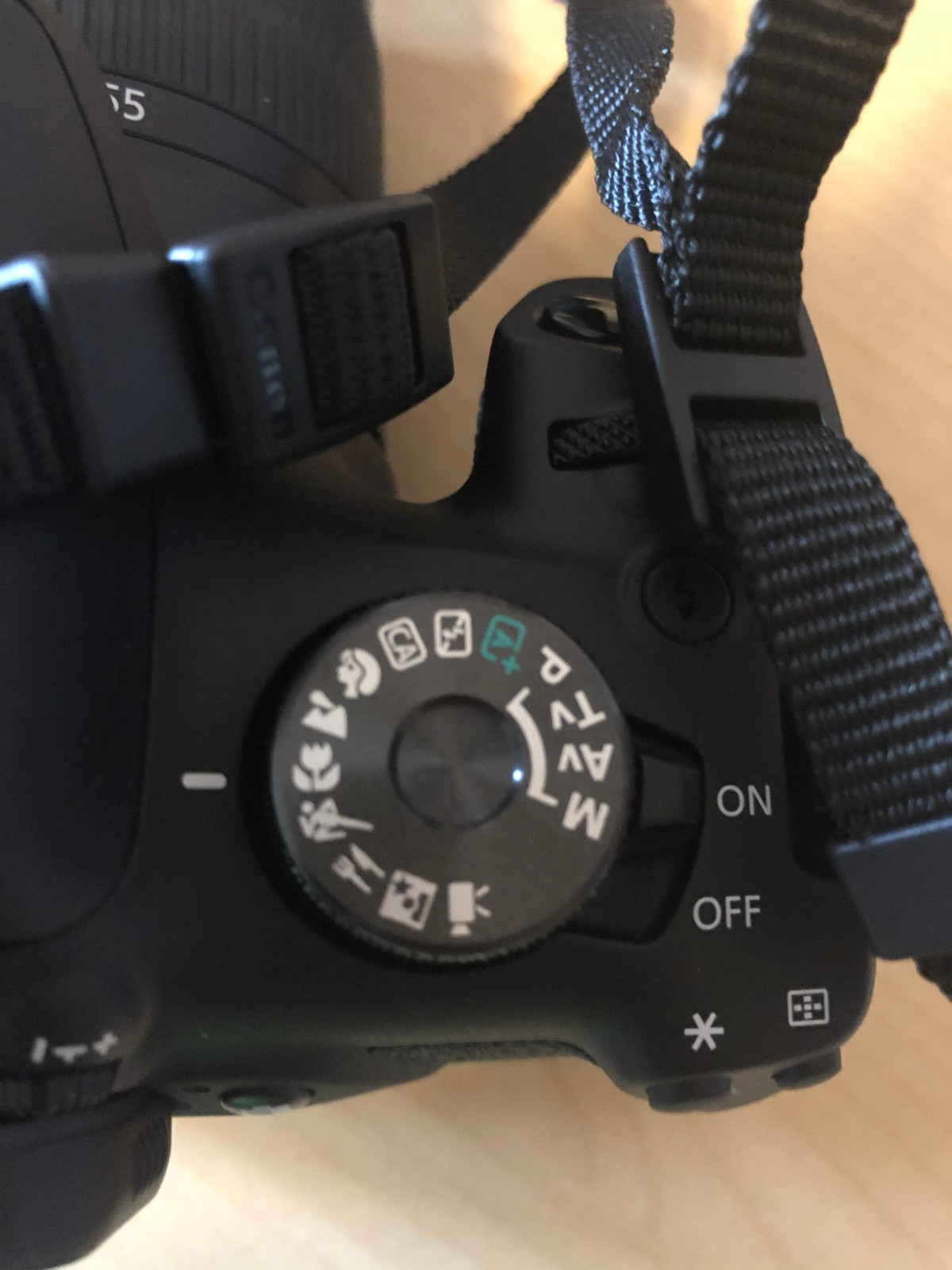
This is where the 2000D earns its "grows with you" reputation. The mode dial spans a genuine spectrum:
- Scene Intelligent Auto — the camera reads the scene and sets everything for you, ideal for your very first weeks with the camera
- Creative Auto — same automated foundation, but with simplified sliders for brightness and background blur, a gentle first step toward understanding exposure
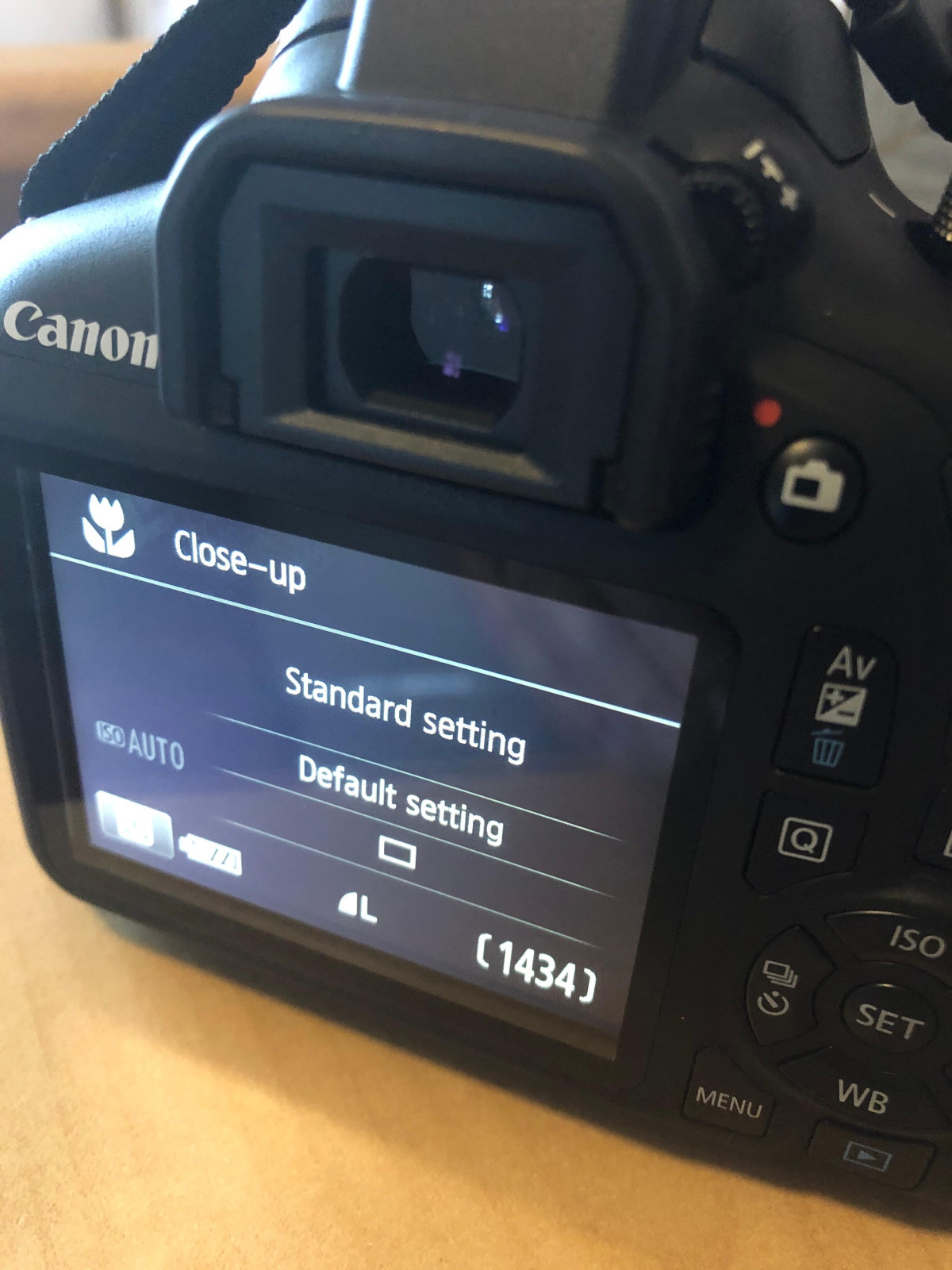
- Portrait, Landscape, Close-up, Sports — scene-specific presets that bias the camera's settings toward each situation
- Program (P) — automatic exposure with more manual override of secondary settings
- Shutter Priority (Tv) and Aperture Priority (Av) — you control one key variable (motion blur or depth of field) while the camera balances the rest
- Manual (M) — full control over every exposure variable, for when you're ready to leave automation behind entirely
That progression is the camera's real strength for a first-time buyer. You're not choosing between "easy but limited" and "powerful but confusing" — the same body supports both, and you can move between them as your understanding of exposure develops.
Metering — how the camera measures light to determine correct exposure — offers evaluative (whole-frame), partial, and centre-weighted options, giving you control over how the camera prioritises bright and dark areas of a scene once you're ready to move past full auto.
The 18-55mm Kit Lens: Strengths and a Key Limitation
This particular kit bundles Canon's EF-S 18-55mm lens — worth pausing on, because Canon sells more than one version of this focal length, and the distinctions matter. The 18-55mm range covers genuinely useful ground: 18mm is wide enough for interiors, landscapes, and group shots, while 55mm gets you into flattering portrait territory. A 25cm minimum focusing distance also allows reasonably close-up shots of small subjects.
The aperture range narrows as you zoom in (from roughly f/3.5 at wide-angle to f/5.6 at full zoom), which is standard for a kit lens and simply means you'll have less low-light capability and background blur at the telephoto end than at the wide end.
Important distinction for buyers comparing listings:
this specific kit — often labelled "DC" — does not include Canon's optical Image Stabilisation. A version of this same camera and lens combination exists with a stabilised lens (marked "IS"), which compensates for small hand movements and helps at slower shutter speeds or longer focal lengths. Without stabilisation, you'll need to be more deliberate about shutter speed in lower light or when zoomed in, particularly if you're not yet practiced at holding a camera steady. It's a meaningful factor to weigh against the price difference between the two kits, and one that easily gets lost in a spec sheet.
The lens mount is Canon's EF-S standard, which means the door is open to Canon's broader catalogue of EF and EF-S lenses down the line — a wide-angle lens for architecture, a telephoto for wildlife or sports, or a fast prime lens for portraits are all valid upgrade paths without needing to replace the camera body itself.
Viewfinder, Screen and Composing Your Shot
The optical viewfinder offers 100% coverage, meaning what you see through the eyepiece is exactly what ends up in your final image — no guessing at cropped edges, which is a genuine advantage over viewfinders on some competing cameras that show slightly less than the full frame. Dioptric adjustment lets you fine-tune the viewfinder's focus to match your eyesight, useful if you wear glasses but prefer shooting without them.
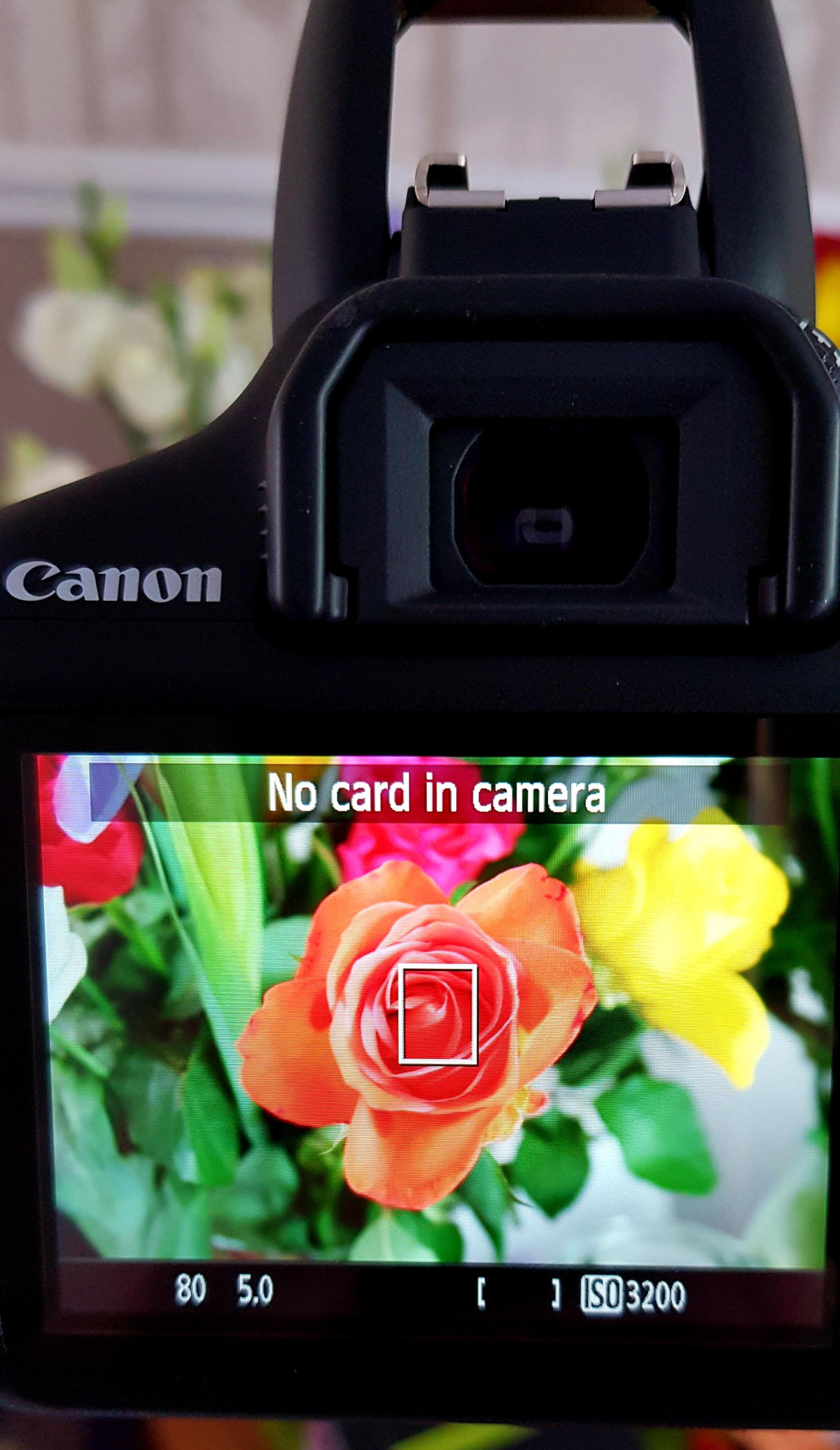
The 3-inch TFT LCD screen on the back handles image review, menu navigation, and Live View shooting. It's a fixed screen rather than an articulating one, so you won't be able to angle it for high or low-angle shots the way you can on some more expensive models — worth knowing if you specifically want to shoot from unusual angles or record yourself.
Battery Life: How Many Shoots Between Charges
Independent testing under the industry-standard CIPA methodology rates the 2000D at around 500 shots per charge when shooting through the optical viewfinder — a reasonable figure that should comfortably cover a full day out, a family event, or several casual shooting sessions before you need to plug in. That number drops meaningfully if you shoot primarily through Live View on the rear screen, since keeping the sensor active continuously draws more power; expect closer to half that figure in that mode.
For context, this sits in the middle of the pack for entry-level DSLRs — some rivals stretch well beyond 1,000 shots per charge, so if all-day battery endurance without a spare is your top priority, it's worth checking that figure against alternatives you're considering. That said, for most casual and hobbyist shooters, 500 shots is enough to make battery anxiety a non-issue for typical outings, and a spare LP-E10 battery is an inexpensive way to extend a long day of shooting.
Connectivity: Getting Photos Off the Camera
Built-in Wi-Fi and NFC (Near Field Communication) let you transfer images to a smartphone through the Canon Camera Connect app without needing a cable or memory card reader. NFC specifically speeds up the pairing process on compatible Android phones — you tap the devices together and the connection establishes automatically, rather than manually hunting through Wi-Fi settings. The same app also supports remote shooting, so you can trigger the shutter and adjust some settings from your phone, handy for group photos or shots where you want to be in the frame yourself.
For wired transfers or connecting to a computer, there's a USB port (worth noting it's the older, smaller USB standard rather than USB-C, so newer laptops without a full-size USB port will need an adapter) and a mini-HDMI port for connecting to a television or monitor to review images on a larger screen.
Video Recording
The 2000D records video at 1080p (Full HD) with sound — solid enough for casual clips, home videos, and social sharing, though it falls short of the 4K resolution now common even in mid-range smartphones. Autofocus during video recording relies on the same slower contrast-detection system used in Live View photography, so tracking a moving subject smoothly on video isn't this camera's strong suit. If video is a significant part of what you're after rather than a secondary feature, it's worth weighing that limitation carefully.
Who This Camera Is Right For — And Who Should Look Elsewhere
Genuinely Right For
- First-time DSLR buyers who want to learn photography fundamentals without being overwhelmed on day one
- Parents and hobbyists documenting family life, holidays, and everyday moments where image quality matters more than shooting speed
- Budget-conscious buyers who want access to Canon's broader lens ecosystem without paying for features they won't use yet
- Students and enthusiasts on a learning path who plan to shoot mostly stills through the viewfinder and want room to grow into manual controls
Should Look Elsewhere
- A sports, wildlife, or action photographer who needs fast, reliable continuous autofocus and a higher burst rate than 3fps
- A vlogger or video-first creator who wants 4K recording, an articulating screen, and fast autofocus while filming
- Someone shooting frequently in challenging weather who needs a weather-sealed body
- A buyer prioritising maximum battery life for extended trips away from charging points, where competing models offer notably longer ratings
How It Compares to Logical Alternatives
| Consideration | Canon EOS 2000D (DC lens) | Canon EOS 2000D (IS lens kit) | Canon EOS 4000D |
|---|---|---|---|
| Sensor | 24.1MP APS-C | 24.1MP APS-C | 18MP APS-C |
| Kit lens stabilisation | No | Yes | No |
| Screen | 3in fixed LCD | 3in fixed LCD | 2.7in fixed LCD |
| Autofocus points | 9-point | 9-point | 9-point |
| Continuous shooting | 3fps | 3fps | 3fps |
| Wi-Fi & NFC | Yes | Yes | Wi-Fi only |
| Positioning | Balanced entry-level value | Same body, steadier handheld shots | Ultra-budget, fewer refinements |
The EOS 4000D sits below this model as Canon's absolute entry point, trading resolution, screen size, and NFC for a lower price — it's worth considering only if budget is the single overriding factor. The image-stabilised version of this same 2000D kit is the more direct comparison: identical camera, but a lens that compensates for hand-shake, which matters most if you'll frequently shoot handheld in dim conditions or at the long end of the zoom range. Outside Canon's own lineup, rival APS-C DSLRs from other brands sometimes offer meaningfully longer battery life or more autofocus points at a similar price, so it's worth cross-shopping if either of those factors ranks high on your list.
It's also worth being aware that mirrorless cameras have increasingly taken over the entry-level space industry-wide, often offering faster autofocus and video-focused features in a smaller body — the trade-off there is typically shorter battery life and a smaller, newer lens ecosystem compared to Canon's long-established DSLR mount.
The Honest Trade-offs
The 2000D's biggest strength is also its simplest: it takes genuinely good photos for the money, thanks to a sensor that punches above the camera's price bracket, and it does so through an interface that doesn't punish you for being new to photography. The mode dial's gradual path from full auto to full manual is a real, tangible benefit for anyone learning as they go, not just a marketing line.
Where it shows compromise is mostly in the areas Canon trimmed to hit this price: a burst rate that's fallen behind more recent competitors, sluggish autofocus the moment you switch to Live View or video, a fixed rather than articulating screen, and battery life that's solid but not exceptional. None of these are dealbreakers for the audience this camera is built for — someone learning stills photography through the viewfinder — but they become real limitations the moment your ambitions shift toward action, video, or professional-grade speed.
The kit lens itself is a similar story: versatile focal range, but this particular DC version asks you to be more careful about camera shake than the stabilised alternative, a detail easy to miss when comparing listings by price alone.
Final Verdict
The Canon EOS 2000D with this 18-55mm kit lens earns its place as a sensible entry point into DSLR photography — not because it's the most capable camera in its class, but because it strikes an honest balance between image quality, ease of use, and price. It rewards patience: shoot in Auto for the first few weeks, then start exploring Aperture and Shutter Priority as your understanding grows, and the camera will keep pace with you.
Buy this if you're taking your first real step beyond a smartphone camera and want a system you can grow into rather than out of. Skip it if fast action shooting, 4K video, or maximum battery endurance are non-negotiable for how you plan to shoot — in those cases, the money is better spent on a camera built around those specific strengths. For everyone else genuinely starting out, this is a well-judged, dependable choice that won't hold back your learning curve.
What People Say
36 commentsCrystal clear pictures, easy to use
This camera is fantastic, takes great pictures.Was a bit daunted at first as it looked complicated & the manual was so thick but v pleasantly surprised at how easy it was to get started.Simply charge the battery,insert it, pop in the memory card,attach the lens (simple click), set basic settings suggested in the manual then you’re ready to start shooting.I am a novice so will work my way up to the more advanced settings & connecting to my iPad and iPhone.Pics are MUCH better than a mobile phone.
Great camera
I am new to DSLR cameras as I used just smartphone cameras before. I am still learning the manual settings but even with presets and autofocus, it is great. The companion app is very handy as it helps to transfer pictures without cables.
I was worried about the size but it doesn't take up much space in the bag. Night shots and moving object captures are very good too. This is a massive upgrade from my iPhone XS camera. I haven't yet managed to take good pictures but uploading a few quick snaps.
Brilliant camera
Love the Canon EOS 200D I've had the older version of this camera and this model is brilliant. Easy to set up but if you're new to this type of camera then read the booklet for ease of set up. Built in flash, auto or manual focus lots of settings from portrait to food so if you want a quick shot its super easy. Wifi connectivity is fab so sharing your shots is super easy. Do need a memory card, camera is super light but does comes with a strap. brilliant all rounder with crystal clear picture
Such a great first DSLR
This is my first foray into DSLR and it's such a great camera. There is a mode which handles a lot of the fine-tuning of settings for you to get you going quickly, but then you can switch to other modes that open up more and more settings so you can learn and get comfortable with fine tuning the aperture or ISO settings etc. It comes with a standard lens to get you going quickly.
The connectivity is great, I have it hooked up to google photos so I can upload pictures over wi-fi instantly.
Camera Newbie 10/10
This is my first ‘proper camera’ instead of using the smaller and more old school type. When it arrived I was amazed at the size and look - all perfect! It came with a little travel neck strap which I loved and all I had to do was insert my own SD card and snap away!
The variations of zoom were my favourite part about this camera. I took it to a family event and was amazed at how easy and professional I could make the pictures look.
Fantastic camera for beginners and pro’s!
Canon DSLR Camera
Always loved taking photos on my android phone,so I decided to buy a Canon EOS2000d. After reading reviews I plumped for this camera and found it very easy to set up and start taking pictures. I would recommend this camera for anyone thinking of dipping his feet into real photography. The photos are so sharp and clear. As you use the camera more the more you learn and soon I will be investing in more lenses. Iam so pleased with the camera. Fantastic.
This camera is an entry-level camera
The Canon EOS 2000D is a solid entry-level DSLR for beginners looking to explore photography. While it lacks some advanced features found in more expensive models, it provides good image quality, user-friendly operation, and essential connectivity options at an affordable price. It’s a great starting point for those new to DSLR photography, but experienced photographers may find its features limiting.
It’s easy to use and takes amazing pictures!
I used to love taking pictures and wanted to get back into it, the price for this camera was so good compared to other sites I looked at, had great bundle ideas and overall great and easy to use if you’re new to cameras or want one to take on holiday with, so many settings and the quality is great, would highly recommend this product
Great camera
This is a great camera but isn’t as simple and pressing on and hitting play! Make sure you read the instructions! It took a little while to get used to it and how to take the photos but the quality of the images are much better than what I am used to under a compact camera. Looking forward to capturing some really good photos now!
Enthusiasts Camera
I like all the features on the camera frame rate is not to bad and takes lovely photos.
Settings are easy adjust at a touch of a button. Good build quality, obviously not professional level but for a beginner or intermediate user it’s not a bad place to start. Invest in some good lenses and this does the job.
Very happy with it
I’m a keen photographer and bought this to replace an older camera. It’s fantastic, I’m very happy with it. I have used many cameras and this keeps up with them all. I particularly like the fact that it connects too my phone, so I can see the photos straight away and upload and send them easily.
Great for beginners
I got this as an upgrade to taking pictures with my smart phone and was not disappointed at all! Great picture quality and quite easy to use too. Even transfering pictures to laptop or phone was quick and easy, would highly recommend as it's just as good as camera's worth a lot more!
New Camera looks fantastic
This camera is really good and we have taken some good photos of wildlife on our daily exercise during the lockdown. These include a very thirsty squirrel, an owl in flight, water voles, a heron just after catching a fish and a swan on its nest. Very good quality camera
Great dslr camera
An amzing camera for beginners. Great resolution photos. Easy automatic settings and good manual settings for those who are a bit more adventurous. Lens is great for scenery and general photos with an impressive depth of field.
Great purchase, would recommend!
Amazing
I am a keen photographer I have few camera but nothing like this one it's just amazing am so happy with it I would love to go do some travelling and take landscape but for now my 2 year old springer is being my model for me is nice piece of kit
All round good dSLR
Bought to take good quality photos of my artwork for my website and large prints really easy to use and really good resolution I don’t even need to plug it in to the laptop I just shoot in the studio and Wi-Fi takes it over no hassle !
Still getting used to it
I bought this 1 month ago, but still unsure if it serve the purpose, pic wise is food but couldn't download videos in to your phone making it difficult for me to use it properly which was the main reason I bought it
A Great Starter DSLR
I recently purchased the Canon EOS 2000D from Argos, and I’m thrilled with this beginner-friendly DSLR! As someone new to photography, this camera perfectly balances simplicity and functionality.
Great feature
I’m so happy that I bought this one and it is perfect to use on daily basis. I just love it. I can recommend this camera who wants to buy it for personal use and believe me it’s amazing.
Great camera for beginners. Easy to use
I got this camera last month before a travelling trip to India. It’s a great beginners camera and for someone looking to take their first step into photography. Easy to set up and use.